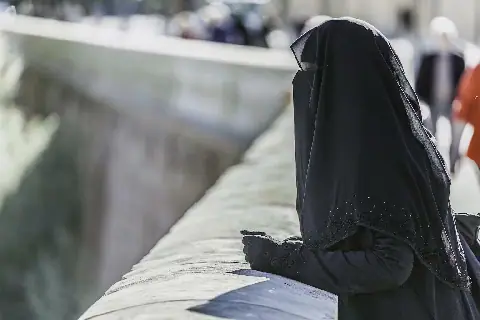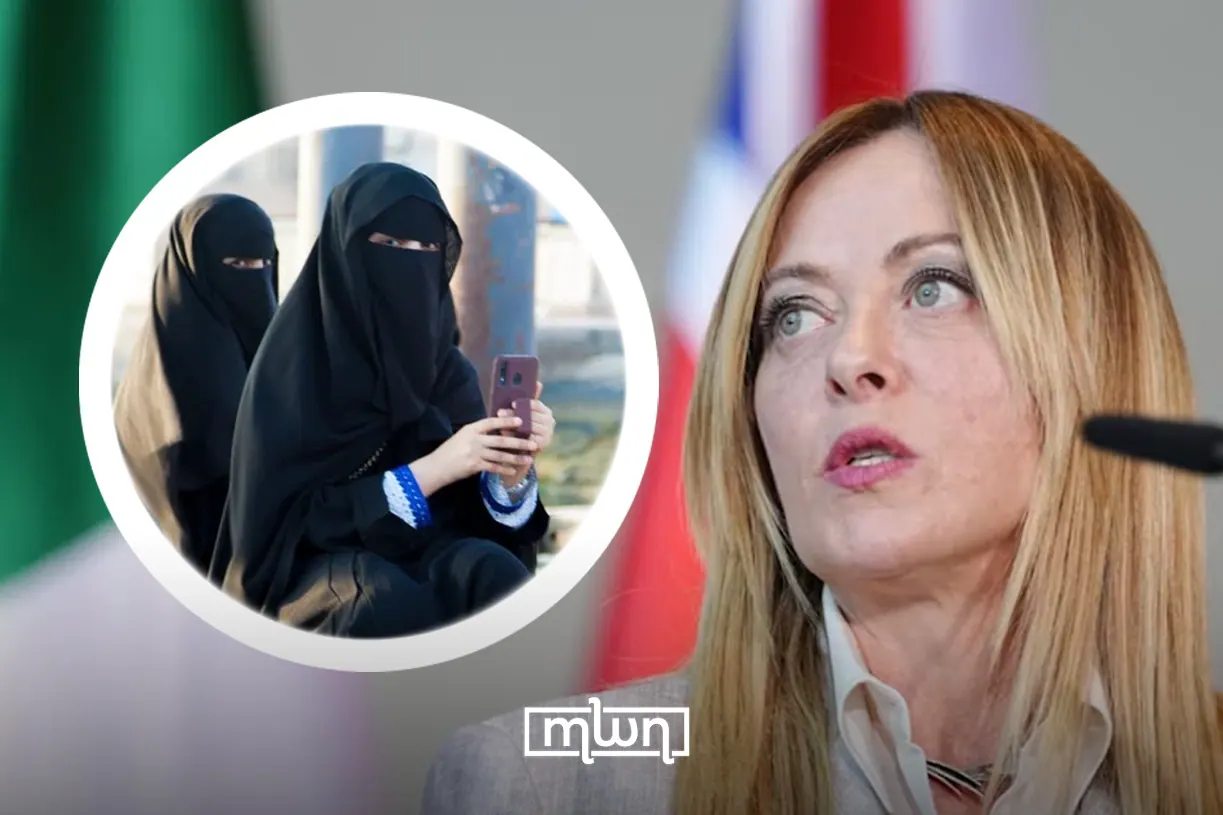
Italy's Council of Ministers has approved a decree introducing new measures for schools, including a ban on the burqa and niqab. The ban applies to school activities when the face cannot be identified, with exceptions for specific health or educational reasons. This move is part of a wider package on school integration. The decree also limits the number of certain foreign students with limited Italian-language skills to 30% of pupils in first-year classes.
The Italian government has set a 30% ceiling for certain students without Italian citizenship in first-year classes, effective from the 2027-28 school year. The rules differ by education level, applying to pupils without Italian citizenship who were not born in Italy or who have not attended at least two years of preschool in primary schools. In lower and upper secondary schools, it applies to students without Italian citizenship who have not successfully completed at least three years in Italy's national education system.
Education Minister Giuseppe Valditara stated that the measure is focused on language rather than citizenship. Children born in Italy do not count toward the 30% limit under the primary school rules. Italy already had a 2010 ministerial guideline recommending a 30% limit for pupils without Italian citizenship. The new decree places a version of that limit into law while changing the criteria used to determine which students are included.
Foreign citizens currently account for about 11.6% of Italy's school population, according to Fondazione ISMU. Around 900,000 foreign students attend Italian schools, with their distribution varying considerably between schools and regions. Where schools cannot meet the new limit, local education authorities will be able to distribute students among nearby schools while taking proximity to students' homes into account.
The decree also addresses language support measures for students and parents. Additional funding will support Italian-language education, with €17.5 million allocated for schools unable to meet the limit. Schools can refer cases involving serious language barriers affecting a child's integration to social services, which can require parents to attend free Italian courses.
Parents who fail to complete the required training can face fines ranging from €200 to €1,000, subject to exemptions. The measures have drawn criticism from opposition parties and some education officials, while the government says they are intended to prevent so-called "ghetto classes" and strengthen integration through language learning.
The decree takes effect immediately but must be approved by Parliament within 60 days. Violations of the face-covering ban can carry fines of up to €1,000. The government aims to promote integration and language learning among students, with the new measures being a significant step in this direction.
Key points
- Italy's new school decree bans burqa and niqab in schools and limits certain foreign students to 30% of pupils in first-year classes.
- The decree aims to strengthen integration through language learning and prevent "ghetto classes".
- The measures have drawn criticism from opposition parties and some education officials.