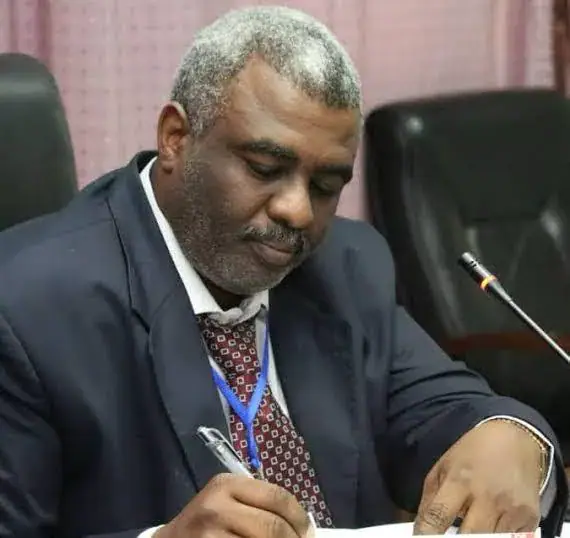
The conflict in Sudan has had a devastating impact on the mental health of its citizens, with many people struggling to cope with the trauma and stress of living in a war-torn country. The country's mental health services are struggling to meet the demand for treatment, with hospitals reporting a significant increase in patients seeking help. According to Dr. Ibtisam Mohamed Yousif, director of the Tajany Mahi Psychiatric Hospital in Omdurman, the hospital is now treating between 70 and 80 patients per day, up from around 60 previously.
The increase in patients seeking treatment is attributed to the return of citizens to the capital city, Khartoum, and the ongoing conflict in the country. The hospital is seeing a range of mental health issues, including anxiety, depression, and post-traumatic stress disorder (PTSD). Dr. Yousif warned that the numbers are likely to continue to rise as more people return to the city and the conflict continues. The hospital is doing its best to provide treatment, but resources are limited, and the staff is facing significant challenges in meeting the demand for services.
The conflict in Sudan has had a profound impact on the country's infrastructure and economy, but perhaps most significantly, it has affected the mental health and wellbeing of its citizens. The war has caused widespread displacement, loss of livelihoods, and trauma, which will have long-term consequences for the country's development and stability. The mental health crisis is a ticking time bomb that needs to be addressed urgently, or it will have severe consequences for the country's future.
The Sudanese government and the international community have a critical role to play in addressing the mental health crisis. This includes providing funding and resources to support mental health services, as well as working to address the root causes of the conflict. The government must also prioritize the development of mental health services and ensure that they are accessible to all those who need them. This will require a sustained commitment to improving mental health care and a willingness to invest in the wellbeing of Sudanese citizens.
The crisis in Sudan highlights the need for a comprehensive approach to addressing mental health. This includes not only providing treatment for those affected but also working to prevent mental health issues from arising in the first place. This can be achieved through education and awareness-raising campaigns, as well as community-based initiatives that promote mental health and wellbeing. By taking a proactive approach, Sudan can mitigate the impact of the conflict on its citizens' mental health and build a more resilient and healthy society.
The international community has a critical role to play in supporting Sudan's mental health services. This includes providing funding and technical assistance to support the development of mental health services, as well as sharing expertise and best practices. The World Health Organization (WHO) and other international organizations have already begun to provide support, but more needs to be done to address the scale of the crisis. The international community must also work to address the root causes of the conflict, including poverty, inequality, and lack of access to education and economic opportunities.
In conclusion, Sudan's mental health crisis is a pressing issue that requires urgent attention. The conflict has had a devastating impact on the mental health of Sudanese citizens, and the country's mental health services are struggling to cope with the demand for treatment. The government and the international community must work together to address the crisis, by providing funding and resources to support mental health services, as well as working to address the root causes of the conflict. This will require a sustained commitment to improving mental health care and a willingness to invest in the wellbeing of Sudanese citizens.
Key points
- The conflict in Sudan has caused significant psychological trauma, with hospitals reporting a substantial increase in patients seeking mental health treatment.
Reporting sources
- إيمانويل كانط ومستشفى التجاني الماحي · Al-tayar