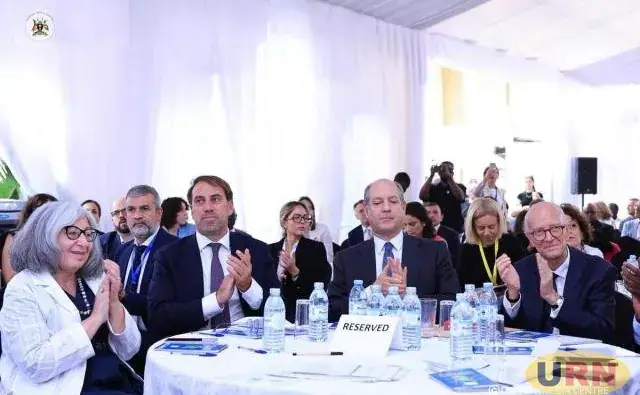
Italy has launched a €12.75 million, approximately Shs58 billion, health project aimed at improving maternal, child and cancer care in northern Uganda. The three-year project, dubbed Prevention, Research and Integrated Services for Maternal, Child and Cancer Health Care, will cover West Nile, Acholi, Lango and Karamoja subregions. It is expected to reach over 500,000 people and address significant socioeconomic and health vulnerabilities in these areas. The project is being implemented by the AVSI Foundation Uganda with support from Italy’s Ministry of Foreign Affairs and International Cooperation and the Italian Agency for Development Cooperation.
Northern Uganda faces shortages of specialist services and limited access to health facilities, particularly for women of reproductive age, pregnant women, newborns and children under five. The programme will support early diagnosis and treatment of cancers affecting women, including cervical and breast cancer, as well as childhood cancers such as Burkitt lymphoma. It will also strengthen the regional branch of the Uganda Cancer Institute in Gulu. According to John Makokha, the AVSI Foundation Uganda Country Representative, the programme will address gaps in access to specialised healthcare while strengthening existing health services.
The project brings together several Italian and Ugandan institutions, including the San Gerardo dei Tintori Foundation, the College of University Aspirants for Missionary Doctors, the Ambrosoli Memorial Hospital Foundation, the Piero and Lucille Corti Foundation, Gulu University and the Uganda Cancer Institute. However, leaders of some participating health facilities highlighted the financial pressures facing private not-for-profit hospitals. They warned that their founding organisations and development partners cannot continue meeting the growing cost of healthcare without stronger government support.
Dominique Atim Corti, President of the Piero and Lucille Corti Foundation, which supports St Mary’s Hospital Lacor, said the hospital is struggling with the cost of providing affordable services, expensive medical equipment and high taxation. Despite limited government grants, the foundation has invested over Shs100 billion in the past 15 years to subsidise patient services by up to 70 per cent. However, Corti noted that the support is still insufficient.
Health Minister Chris Baryomunsi acknowledged that private not-for-profit hospitals carry a substantial share of the healthcare burden in northern Uganda and that government support to these facilities remains inadequate. He welcomed the Italian-funded programme, particularly its focus on hard-to-reach communities in northern, northeastern and West Nile Uganda. Baryomunsi said the region’s health challenges have been compounded by the effects of the two-decade insurgency that affected northern Uganda.
The programme offers an opportunity to revive cancer treatment services that had stalled in some regional centres. According to Nixon Niyonzima, the Head of Research and Training at the Uganda Cancer Institute, some hospitals already have cancer treatment equipment but it remains unused due to shortages of trained personnel, guidelines and other forms of technical support. The project will help address these operational gaps and improve access to cancer services closer to patients’ communities.
Italy’s Ambassador Riccardo Guariglia said the project reflects Italy’s approach to development cooperation by supporting solutions designed around the needs and priorities of local communities. The project will run until June 2029 and aims to strengthen healthcare services in northern Uganda.
Key points
- The project will cover West Nile, Acholi, Lango and Karamoja subregions and is expected to reach over 500,000 people.
- The programme will support early diagnosis and treatment of cancers affecting women and children.
- The project will strengthen the regional branch of the Uganda Cancer Institute in Gulu.
Reporting sources
- North private hospitals get Shs58 billion Italian support · The Independent magazine