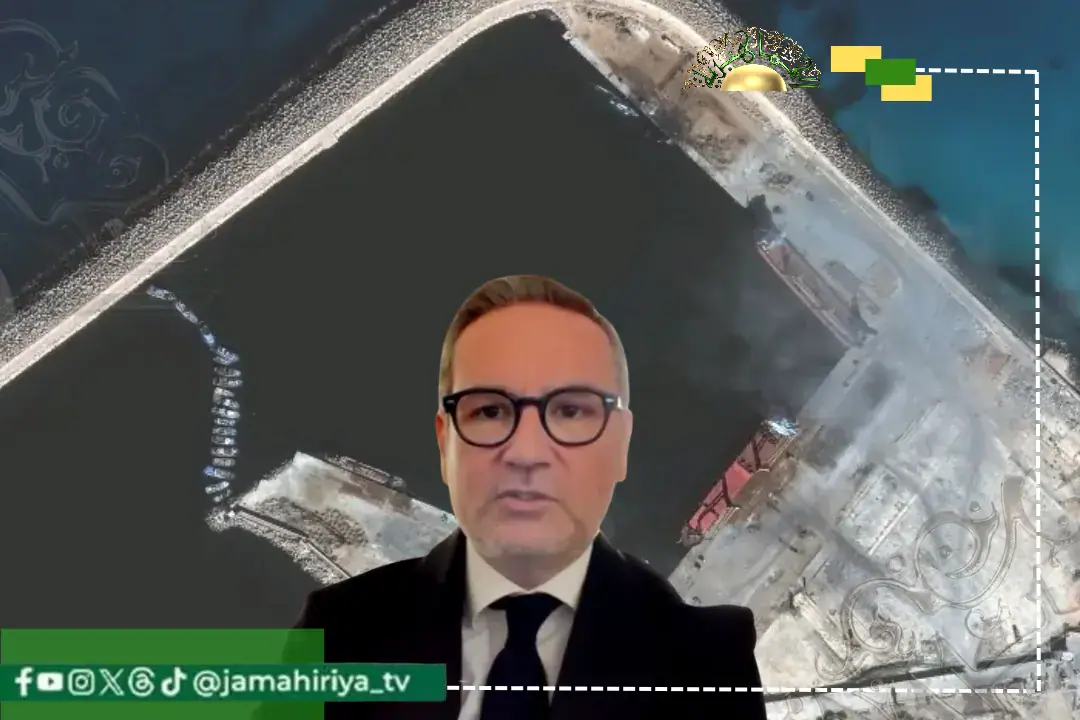
Italian political analyst Daniele Rofinieti has expressed concerns over the potential consequences of the Russian-Ukrainian conflict spreading to the Mediterranean region. He emphasized that Italy's concerns go beyond Ukrainian attacks on Russian ships off the coast of Benghazi, and also relate to the growing Russian military presence in Libya. Rofinieti noted that a Russian military foothold in Libya, just hundreds of kilometers from Italian shores and near NATO's southern flank, poses a significant security risk to Rome.
Rofinieti explained that Ukraine's targeting of Russian military assets outside the direct conflict zone can be understood from a strategic perspective, but it has sensitive implications for the Libyan situation. This is particularly concerning given the country's ongoing political and military divisions. The analyst highlighted that a declared Ukrainian military presence in western Libya, opposite the established Russian presence in the east, threatens to bring the Moscow-Kyiv conflict into the heart of Libya's internal divisions.
This development could exacerbate polarization and encourage local parties to rely more heavily on external powers, undermining international efforts to achieve national reconciliation. Rofinieti stressed that preventing this scenario is a fundamental Italian interest, given Rome's diplomatic investments in developing relations with both Tripoli and Benghazi, while supporting the UN-led political process.
Italian interests in Libya extend beyond politics and security to include energy supplies, investments by Eni, maritime trade, freedom of navigation, and migration management. Rofinieti also noted that a stronger Italian strategic presence in Africa is at stake. Although there is no evidence that Italian economic interests have been directly threatened by Ukrainian operations so far, the ongoing military confrontation in the central Mediterranean will inevitably increase associated risks.
The analyst's comments come as Libya continues to grapple with internal divisions. The country's instability has raised concerns among international observers, who fear that external interference could further complicate the situation. Rofinieti's warning highlights the need for careful diplomatic engagement to prevent Libya from becoming a proxy battleground for international conflicts.
Italy has historically maintained strong ties with Libya, and Rome has sought to strengthen its relationships with both the eastern and western regions. The Italian government has invested significant diplomatic efforts in supporting Libya's stabilization and promoting a peaceful resolution to the country's crisis.
The situation in Libya remains fragile, with multiple factions vying for influence and external actors seeking to assert their presence. As the international community continues to monitor developments, Rofinieti's warning serves as a reminder of the potential consequences of inaction and the need for sustained diplomatic engagement to prevent further instability in the region.
Key points
- Libya's divisions threaten to turn it into a battleground for the Russian-Ukrainian conflict.
Reporting sources
- خبير إيطالي: انقسام ليبيا يهدد بتحويلها إلى ساحة للصراع الروسي الأوكراني · Aljamahiriya TV