On Sunday, September 27, 2026, a group of Israeli settlers stormed the Al-Aqsa Mosque in occupied Jerusalem, under tight security from Israeli police. According to Palestinian sources, the settlers entered the mosque compound through the Maghrabi Gate and performed provocative tours and Talmudic rituals. This incident has raised concerns about the escalating tensions in the region.
The Jerusalem Governorate reported that the settlers, led by Israeli Member of Knesset Amit Halevi, entered the mosque in successive groups from the Maghrabi Gate, under police protection. They also brought vegetable offerings into the compound. This move has been seen as a challenge to the status quo of the mosque and the rights of Palestinian worshippers.
These stormings are part of ongoing Israeli settler attacks on Al-Aqsa Mosque, backed by Israeli forces, aimed at imposing new realities and changing the historical and legal status quo. The goal is to consolidate control over the mosque and divide it temporally and spatially. This has sparked fears of further escalation and violence in the region.
Israeli police have turned Jerusalem and the Al-Aqsa Mosque compound into a military barracks, with increased deployment of police officers in the old city and its alleys. Roads and streets leading to the mosque have been closed, and military checkpoints have been set up. This has caused significant disruptions to the daily lives of Palestinians and residents of Jerusalem.
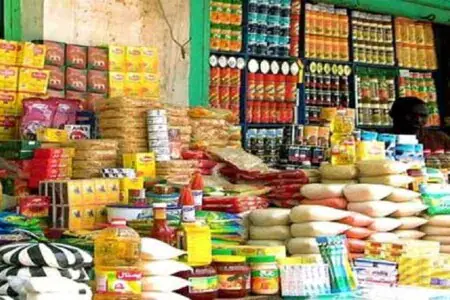
The police have also forced shop owners in the old city to close their businesses, citing the need to secure the settlers' storming of the mosque. This has had a negative impact on the local economy and the livelihoods of those who depend on these businesses. The situation remains tense, with concerns about the potential for further violence and unrest.
The incident has sparked international concern, with many calling for restraint and respect for the rights of all parties. The status quo of Al-Aqsa Mosque is a sensitive issue, with different claims and interests at play. A lasting solution will require dialogue and compromise from all parties involved.
The Palestinian Authority has condemned the storming of Al-Aqsa Mosque, stressing that it is a red line that must not be crossed. They have called on the international community to take action to protect the mosque and the rights of Palestinian worshippers. The incident has highlighted the need for a peaceful resolution to the Israeli-Palestinian conflict.
Key points
- Israeli settlers stormed Al-Aqsa Mosque under police protection on September 27, 2026.
- The incident is part of ongoing settler attacks on the mosque, aimed at changing the status quo.
- The situation has sparked international concern, with calls for restraint and respect for the rights of all parties.