Sudan's economic landscape has been marred by high inflation rates, largely attributed to the ongoing conflict that has devastated the country's productive base and led to a heavy reliance on imports. According to Dr. Wail Fahami, an economic expert, the war has prevented many citizens from returning to their areas of production, resulting in a shortage of locally produced goods and an increased dependence on imports. This situation has contributed significantly to the rising inflation rates.
The Central Bureau of Statistics in Sudan recently released its monthly report, which revealed that the inflation rate for August 2026 stood at 3.32% on a monthly basis, compared to 1.47% in July. Although the annual inflation rate decreased to 26.14% in August 2026, down from 81% in the same period last year, the general price index saw a notable increase. The index rose to 742,830.07 points in August 2026, up from 718,930.72 points in July 2026.
Dr. Wail Fahami emphasized that the decrease in annual inflation does not necessarily imply a reduction in prices. He highlighted that when prices rise while income remains constant, the real income decreases. This situation is currently being experienced in Sudan, where the cost of living continues to increase, and citizens' purchasing power is dwindling. The economic expert stressed the need to distinguish between the concepts of inflation rate and price levels.
The inflation rates in urban and rural areas of Sudan have shown disparities, with urban inflation standing at 38.05% and rural inflation at 19.26%. Dr. Fahami attributed the higher urban inflation to increased dependence on markets, supply chains, and services. He also noted that the return of internally displaced persons to urban areas could lead to increased demand for goods and services, further driving up prices.
The exchange rate of the Sudanese pound against the US dollar has also played a significant role in shaping the country's inflation. Dr. Fahami pointed out that the depreciation of the pound increases the cost of imported goods and production inputs. As a result, the prices of goods and services continue to rise, eroding the purchasing power of citizens.
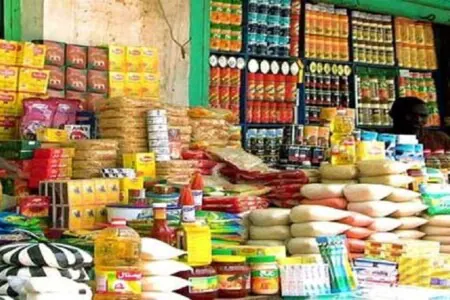
The food and beverages sector experienced a significant increase in prices, contributing to the overall inflation rate. According to Najat Abdulati Hassan Taha, head of the price index section at the Central Bureau of Statistics, the price index for food and beverages rose by 8.39% in August 2026. This increase was driven by price hikes in various food items, including bread, cereals, sugar, oils, and vegetables.
To achieve real economic recovery, Dr. Fahami stressed the need for a comprehensive package of measures, including increasing production, improving supply, and enhancing employment opportunities. He also emphasized the importance of stabilizing the exchange rate and providing foreign currency to facilitate imports and boost exports. Until these conditions are met, Sudan's economic challenges are likely to persist.
Key points
- Sudan's inflation rate decreased to 26.14% in August 2026
- The country's economic challenges are attributed to the ongoing conflict
- The inflation rate in urban areas is significantly higher than in rural areas