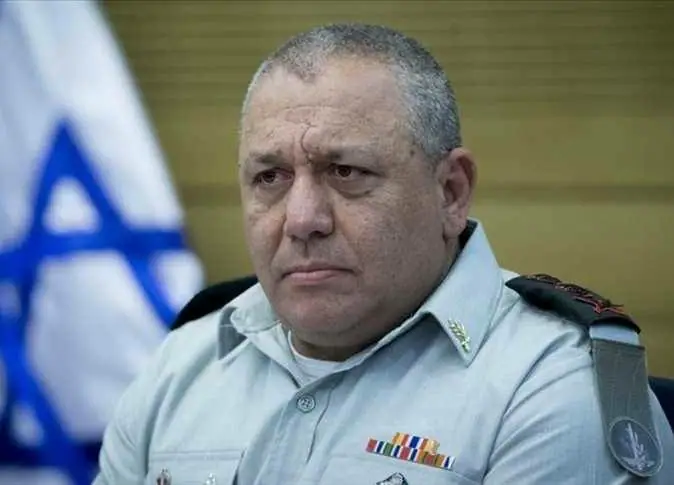
Israeli President Isaac Herzog has officially tasked Gadi Eisenkot with forming a new Israeli government, marking a significant development in the country's ongoing political landscape. This move comes as the country faces considerable political divisions and challenges in forming a coalition government that can secure a majority in the Knesset. Eisenkot's appointment is seen as a pivotal moment in the country's efforts to establish a stable government.
The decision to task Eisenkot with forming the government comes after a period of political uncertainty and negotiations between various political factions. The current political climate is characterized by a divide between the camp of outgoing Prime Minister Benjamin Netanyahu and opposition forces regarding the formation of the next government. A significant point of contention is the potential involvement of Arab parties in providing support to reach the required majority.
Eisenkot is expected to face substantial challenges in forming a coalition government that can garner the trust of the Knesset. The diverse political landscape in Israel, with varying stances among parties on participation in the government and its political composition, presents a complex scenario. Observers note that the coming days will be crucial in determining the trajectory of government formation and the future of Israel's political leadership.
The political arena in Israel is closely watching the outcomes of upcoming consultations and the arrangements that will emerge regarding government formation. The involvement of Arab parties, holding 19 seats, could potentially be a decisive factor in Eisenkot's efforts to form a government. This development has sparked discussions about the potential for a more inclusive political process.
Reactions from various political figures have highlighted the conditional nature of support from Arab parties. For instance, Ahmed Al-Tibi has indicated that support for Eisenkot is contingent upon a safety net for Arab citizens of Israel. Meanwhile, Mansour Abbas has expressed his support for disarming Hamas while rejecting its designation as a terrorist organization. These statements underscore the complex negotiations ahead.
The Israeli President's decision reflects the ongoing efforts to navigate the country's political challenges. By tasking Eisenkot with this responsibility, Herzog aims to facilitate the formation of a functional government. The success of Eisenkot's mission will depend on his ability to negotiate and secure a coalition that can command a majority in the Knesset.
As Israel moves forward in this critical phase, the international community is watching closely. The formation of a stable government will have implications for regional and global dynamics. With the challenges ahead, Eisenkot's leadership and negotiation skills will be put to the test. The coming days will reveal the contours of Israel's political future and the government's ability to address pressing domestic and international issues.
Key points
- Eisenkot faces significant challenges in forming a coalition government due to the diverse political landscape in Israel.
- The involvement of Arab parties could be crucial in securing a majority for the new government.
- The formation of a stable government in Israel will have implications for regional and global dynamics.