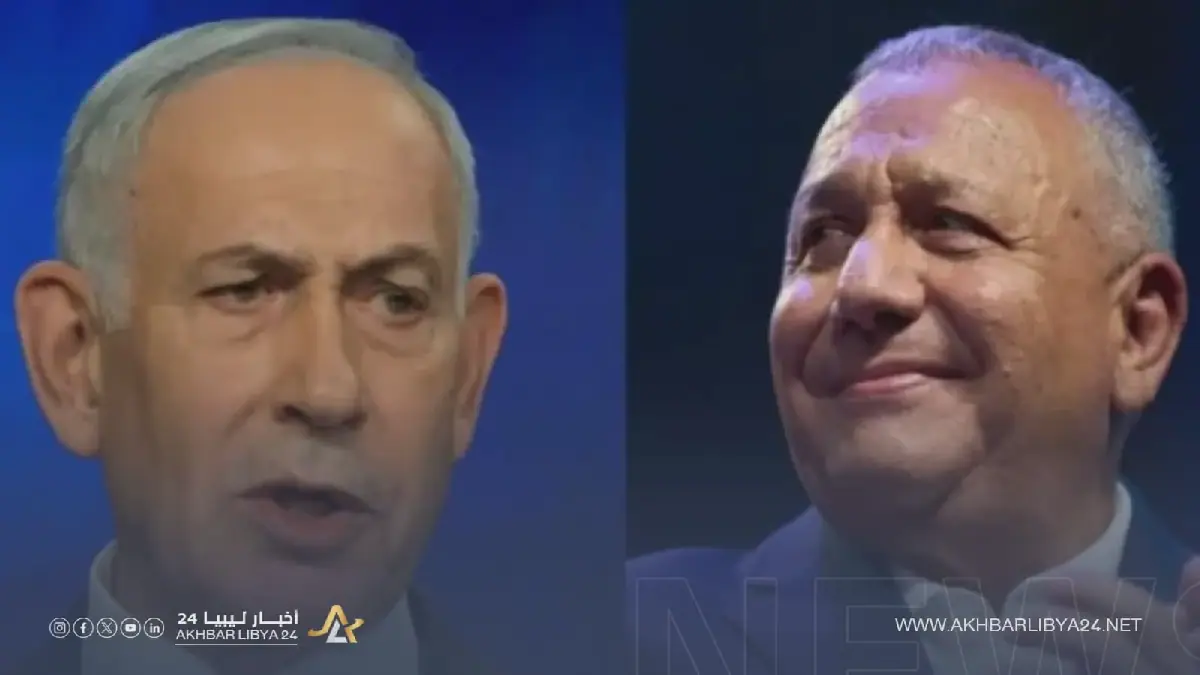
The Israeli leadership landscape has become increasingly uncertain following the recent elections, with both incumbent Prime Minister Benjamin Netanyahu and his challenger, Gadi Eisenkot, asserting their claims to lead the country. According to exit polls, the two leaders' blocs are neck and neck, with neither having secured a clear majority. This development has plunged Israel into a period of political uncertainty, with both sides vowing to form the next government.
The elections, held on October 27, 2026, were seen as a critical test of the Israeli people's sentiment amid ongoing security concerns. The voting process saw a significant turnout, with 77.7% of eligible voters casting their ballots, the highest participation rate in over two decades. This surge in participation underscores the high stakes and intense interest among Israelis in shaping the country's future.
Netanyahu, who has been in power for several terms, has called for the formation of a strong right-wing government. In contrast, Eisenkot, a former Chief of Staff and leader of the Yesh Atid party, has argued that the electorate has rejected Netanyahu's leadership. Despite their competing claims, neither bloc has achieved the parliamentary majority required to form a government, setting the stage for complex coalition negotiations.
The elections took place against the backdrop of heightened tensions and conflict, particularly following the surprise attack led by Hamas in October 2023. This event triggered a series of devastating wars that extended beyond Gaza to Lebanon and Iran. The security situation has been a dominant theme in the election campaign, with both Netanyahu and Eisenkot presenting their visions for addressing Israel's security challenges.
Eisenkot, 66, has positioned himself as a strong contender based on his extensive experience in security matters and his reputation as a centrist figure. His personal story, having lost his son and two of his nephews in the Gaza conflicts, has resonated with many voters. However, his stance on certain issues, including his opposition to the formation of a Palestinian state and his insistence on dismantling Hamas's military wing, has also drawn criticism.
The Arab parties represented in the Knesset hold a crucial position in the upcoming coalition negotiations. However, Eisenkot has explicitly ruled out forming any coalition with them, complicating his prospects of becoming Prime Minister. As the final results are awaited, the Israeli currency, the shekel, has seen a slight decline, reflecting the uncertainty surrounding the government's future.
The stalemate in Israel's leadership has significant implications for the country's governance and its approach to pressing security and political issues. With coalition negotiations expected to be protracted and challenging, Israel may be headed for a prolonged period of political instability. The international community is closely watching these developments, given the potential impact on regional dynamics and global security.
Key points
- The Israeli elections have resulted in a stalemate, with Netanyahu and Eisenkot's blocs having an equal number of seats.
- The high voter turnout of 77.7% reflects the Israeli public's deep interest in the country's future direction.
- The formation of the next Israeli government will depend on complex coalition negotiations, which are expected to be challenging.