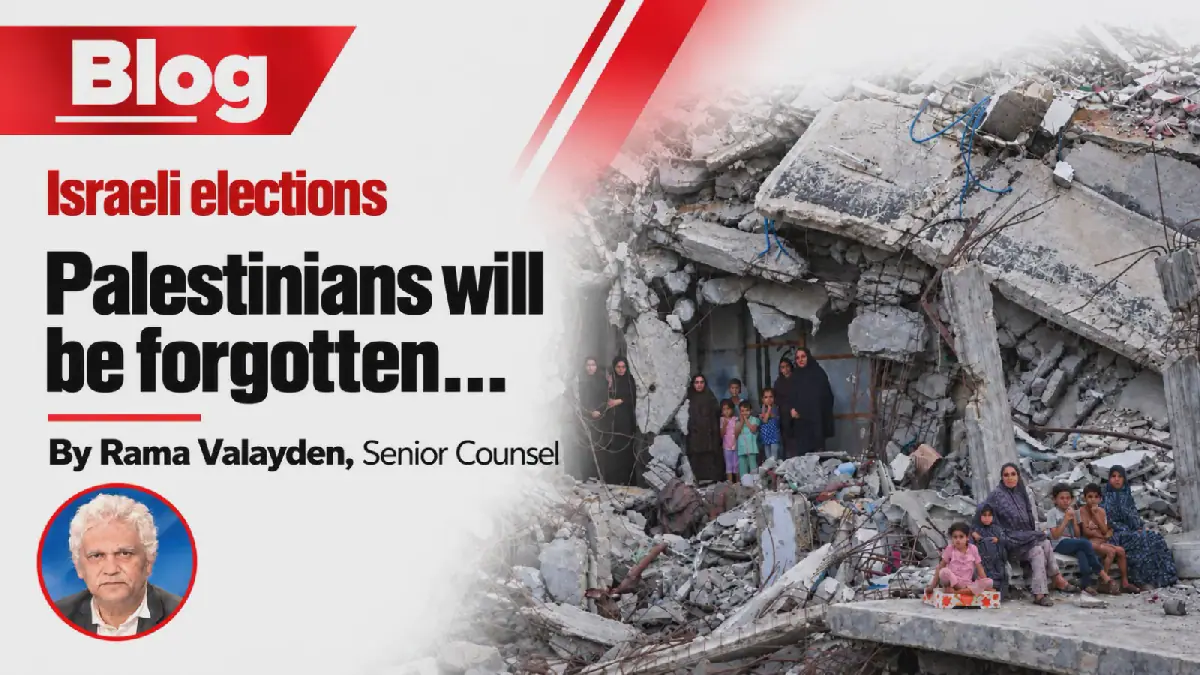
The recent Israeli elections have concluded with no single party or bloc securing a majority in the 120-seat Knesset. The far-right coalition led by Benjamin Netanyahu has emerged as the largest bloc, holding 53 seats. This coalition comprises extreme right-wing parties such as Likud, Shas, Otzma Yehudit, Religious Zionist Party, and New Hope. Netanyahu's Likud party holds the most seats with 26.
The opposition bloc, led by Gadi Eisenkot, secured 48 seats, with his Yashar party winning 21 seats. This bloc has been dubbed the "Change bloc," but its demands for change appear to focus on personnel rather than policy. The bloc includes a range of parties from centrist to right-wing nationalist, including Avigdor Liberman's party. Liberman has been a prominent right-wing figure in Israeli politics, having previously resigned from a Netanyahu government over its handling of the Gaza conflict.
The election results have significant implications for the Palestinian population. Palestinians living in East Jerusalem, the West Bank, and Gaza are not eligible to vote in Israeli parliamentary elections, having been displaced or living under occupation since the 1967 Six-Day War. However, Palestinian citizens of Israel, known as "Arab Israelis," can vote and have formed two blocs: the left-wing Joint List and the conservative religious Ra'am bloc. These parties won 19 seats, a surprise to many, with the Joint List being the only bloc to describe Israeli actions as genocide.
The success of Netanyahu's far-right coalition has been attributed to its strong support among young Israeli voters, with 74% of those aged 18-22 identifying as right-wing or center-right. This demographic overwhelmingly backs right-wing and far-right ideas, with many expressing anti-Palestinian sentiments. The election results have sparked concerns about the potential for increased radicalization and dehumanization of Palestinians within Israeli society.
Netanyahu's coalition explicitly rejects forming a government with Arab parties, with Netanyahu describing such an arrangement as "unthinkable." However, Ra'am did join a previous coalition led by former Prime Minister Naftali Bennett. The Qatari authorities have denied Netanyahu's claims of interference in the election, which he believes was responsible for the success of the Arab parties.
The ongoing conflict in Gaza has contributed to a radicalizing effect on Israeli society, with many citizens expressing extreme views towards Palestinians. This has raised concerns about the potential for further escalation and the prospects for a two-state solution. The Palestinian Arab parties, despite winning seats, have accepted a two-state solution that would leave Israeli colonialism in place, a stance at odds with many pro-Palestinian parties worldwide.
The implications of the election results are likely to be far-reaching, with Netanyahu expected to continue leading until the next general elections. The fascist elements within Israel are likely to push for the creation of an apartheid state, with some advocating for the expulsion of Palestinians into refugee camps. The international community will be watching closely as the situation develops, with concerns about human rights and the prospects for peace in the region.
Key points
- Netanyahu's far-right coalition has emerged as the largest bloc, holding 53 seats.
- Palestinian citizens of Israel, known as "Arab Israelis," won 19 seats in the election.
- The election results have significant implications for the Palestinian population and the prospects for a two-state solution.