The preliminary results of the Israeli parliamentary elections, held on October 27, 2026, have not yet determined the next government. According to an update by The Times of Israel, with 55.4% of votes counted, Benjamin Netanyahu's bloc leads with 56 seats, while the opposing bloc has 49 seats, and Arab parties have 15 seats. However, exit polls suggest that Arab lists may secure between 18 and 19 seats.
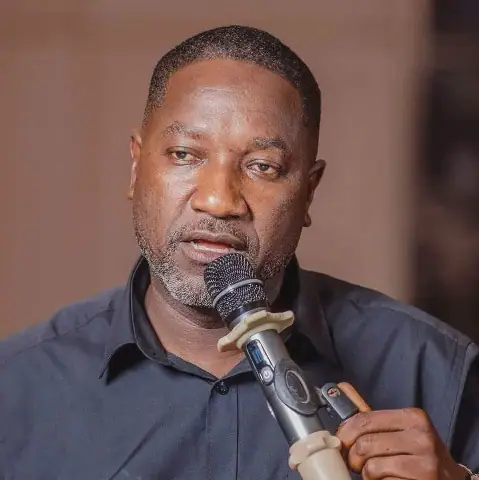
The experience of Arab parties in Israeli politics shows no fixed allegiance to either Netanyahu's Likud party or the opposing parties. In 2021, Mansour Abbas, head of the United Arab List (Ra'am), negotiated with Netanyahu's bloc before joining the coalition government led by Naftali Bennett and Yair Lapid. This move ultimately contributed to the end of Netanyahu's rule. However, the current situation may not be conducive to replicating this alliance.
The possibility of the Likud party reaching an understanding with Arab parties cannot be ruled out, but negotiations on specific issues differ from forming a joint government coalition. Previous attempts to woo Abbas in 2021 did not result in Ra'am joining a Netanyahu-led government. The differences between the parties on Palestinian rights and policies towards Arab citizens present obstacles to a direct alliance.
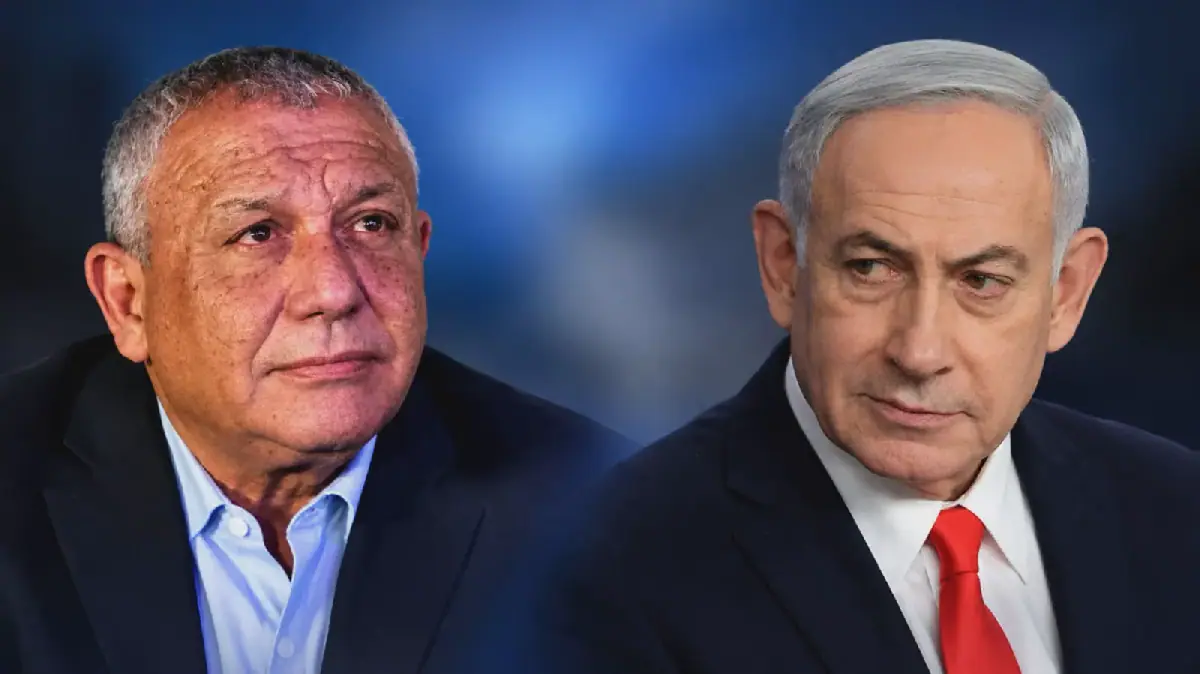
Negotiations with the anti-Netanyahu bloc are also a possibility. Mansour Abbas has expressed openness to discussing participation in a government led by Gadi Eisenkot, provided a stable parliamentary majority can be secured. However, this does not necessarily mean a final agreement has been reached, and not all Arab parties may be on board.
The shape of cooperation, not just the identity of the bloc, is crucial in potential negotiations. Participation in the government would give Arab parties a chance to negotiate policies, budgets, and possibly ministerial positions, but also make them accountable for coalition decisions. On the other hand, external support would allow them to maintain greater autonomy.
Several scenarios are possible for forming the next government. The first involves Netanyahu securing a right-wing majority, either through his current allies or by attracting additional parties. The second scenario sees Eisenkot forming a majority with the participation or external support of Arab parties. The third scenario involves neither bloc securing a stable majority, potentially leading to prolonged negotiations or a transitional government.
If Arab parties secure 18 or 19 seats, as suggested by exit polls, this could give them significant weight in government formation negotiations. However, their ability to exert influence will depend on their capacity to coordinate their positions, considering differences between the Joint List and the United Arab List on government participation and cooperation with Israeli parties.
Key points
- The role of Arab parties in Israeli government formation remains uncertain following the 2026 elections.
- Arab parties may hold significant sway in negotiations due to their potential seat count.
- The shape of cooperation, including participation in government or external support, will be crucial in determining the influence of Arab parties.