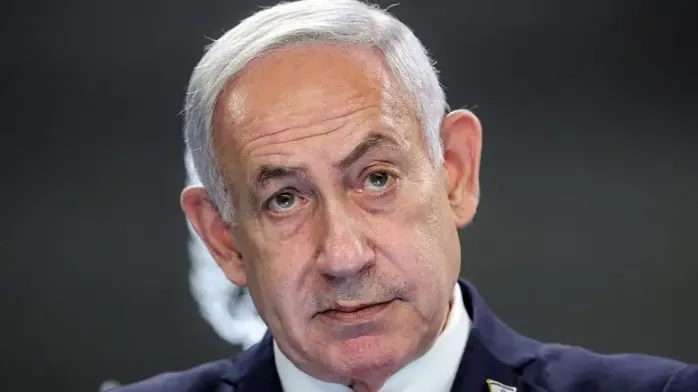
Israeli Prime Minister Benjamin Netanyahu is facing a challenging period as the country prepares for elections on October 27. Recent polls have shown that his bloc may not secure a majority, with 50 seats out of the 61 needed. Netanyahu has been vocal about his goals, including "toppling the Iranian government," which has raised concerns about potential military action against Iran.
Netanyahu's statements have sparked debate about his intentions and the potential impact on the region. Some experts believe that Netanyahu may be using the threat of war as a way to boost his popularity ahead of the elections. However, others argue that his stance on Iran is part of a long-standing strategic vision that aligns with the Israeli military and political establishment.
The Israeli military and intelligence agencies have expressed concerns about Iran's military capabilities, particularly in Syria and Lebanon. However, some experts argue that the threat posed by Iran has decreased significantly. The Israeli government has been working to build alliances with other countries in the region to counter Iranian influence.
The potential for military action against Iran also depends on the support of the United States. The US has been engaged in a campaign of maximum pressure against Iran, but it is unclear whether they would support Israeli military action. Some experts believe that the US would not oppose Israeli action, but others argue that the US would need to be involved in any decision to escalate the conflict.
There have been reports of meetings between US and Israeli military leaders, as well as discussions about a potential new package of US military aid to Israel. The US has proposed a $2.8 billion arms deal to Israel, which includes 40,000 bombs. These developments have fueled speculation about a potential new phase of cooperation between the US and Israel.
However, some experts believe that Netanyahu may not have the freedom to take military action against Iran without US support. The US has been hesitant to get involved in another conflict in the region, and it is unclear whether they would support Israeli action. Netanyahu's opponents have accused him of using the threat of war as a way to distract from his domestic challenges.
The situation remains uncertain, with many factors at play. Netanyahu's intentions and the potential response of the US and Iran will be closely watched in the coming weeks. The Israeli elections will take place on October 27, and it remains to be seen how the issue of Iran will affect the outcome.
Key points
- Netanyahu's bloc may not secure a majority in the Israeli elections.
- The potential for military action against Iran depends on US support.
- Netanyahu's stance on Iran is part of a long-standing strategic vision.