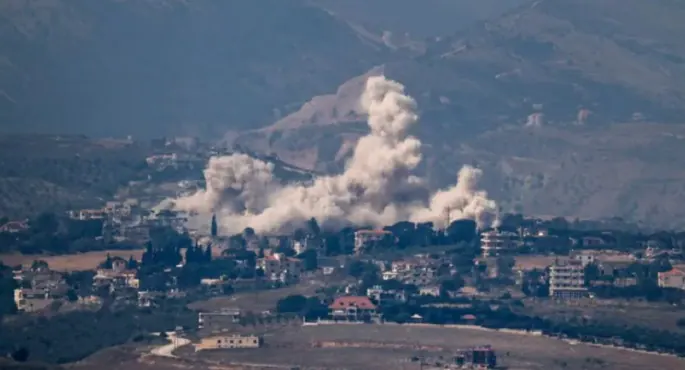
On Tuesday, September 22, 2026, Israel carried out a series of airstrikes targeting the Wadi area of the town of Zebqin in southern Lebanon. This military action was accompanied by intense artillery fire that hit the towns of Majdal Zun and neighboring valleys. The Lebanese Agency reported that Israeli forces also conducted demolitions in the towns of Al-Manousri and Deir Sirian, with military equipment and vehicles moving into the area.
The Israeli warplanes had also launched an attack on the town of Kfar Tabnit and the outskirts of the town of Zouztar Al-Sharqiya on Monday evening. An Israeli drone dropped a sound bomb in the town of Hadatha in southern Lebanon. These actions are part of a broader military campaign by Israel in the region. The attacks have resulted in significant concern among local residents and have raised fears of further escalation.
On Monday, Israeli warplanes targeted the town of Al-Nabatieh Al-Fawqa with an airstrike. Israeli artillery also shelled the outskirts of the town of Mefdoun. Furthermore, Israeli forces set fire to several homes in the town of Zouztar Al-Sharqiya. These actions by the Israeli military have contributed to an increase in tensions in the region and have had a profound impact on local communities.
The Israeli military has continued to carry out airstrikes, artillery fire, and demolitions in various parts of southern Lebanon. These military actions have caused significant damage to infrastructure and have led to the displacement of many residents. The situation remains volatile, with fears of further escalation and potential humanitarian consequences.
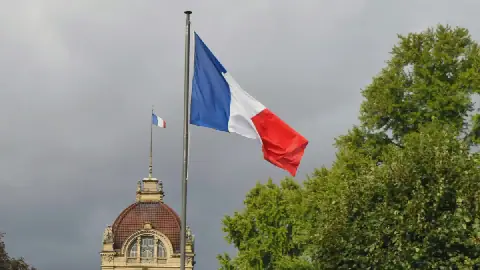
The international community has expressed concern over the escalation of violence in Lebanon. The French Foreign Ministry has emphasized the need for a ceasefire in Lebanon and has discussed the situation with the United Nations. The Lebanese government has called for restraint and has urged the international community to intervene to prevent further violence.
The violence in southern Lebanon has raised concerns about the potential for a wider conflict in the region. The Lebanese government has been working to maintain stability and has called for calm. However, the continued military actions by Israel have made it challenging to achieve a lasting ceasefire.
The situation in southern Lebanon remains tense, with ongoing military actions and a significant risk of further escalation. The international community continues to monitor the situation closely and has called for restraint and a return to peace. The Lebanese people are hoping for a swift resolution to the crisis and a return to stability.
Key points
- Israel launched a series of airstrikes and artillery fire on southern Lebanon, causing damage and displacement.
- The international community has expressed concern over the escalation of violence in Lebanon.
- The Lebanese government has called for restraint and has urged the international community to intervene to prevent further violence.