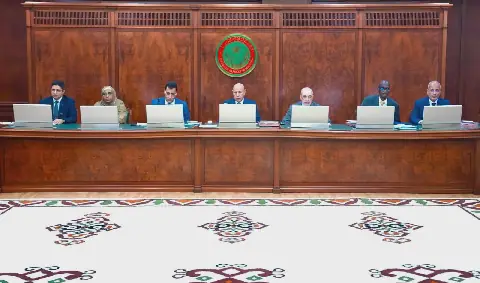
Israel's Supreme Court is scheduled to decide on the participation of two Arab parties, the Joint List and the United List, in the upcoming elections. The parties were initially barred from participating by the country's electoral authority, a decision that has sparked controversy and debate. The court's ruling is expected to be final and could have significant implications for the country's political landscape.
The electoral authority's decision to bar the Arab parties was based on allegations that they had denied Israel's existence as a Jewish and democratic state, incited racism, and supported terrorist organizations. However, critics argue that the real reason for the ban is the parties' potential to play a decisive role in forming the next government. According to polls, the Arab parties are expected to win around 12 seats in the 120-seat parliament.
The ban on the Arab parties has been widely condemned as an attempt to exclude Arab citizens from the political process. Arab citizens make up around 20% of Israel's population and have been historically marginalized and excluded from power. The decision has sparked fears of further erosion of democracy and increased polarization in the country.
The Supreme Court's decision comes at a critical time in Israeli politics. The country is set to hold elections in a few weeks, and the outcome is far from certain. The current prime minister, Benjamin Netanyahu, and his opponents are locked in a tight race, and the participation of the Arab parties could potentially tip the balance.
The case has also highlighted the tensions between Israel's Jewish and Arab citizens. Arab citizens have faced increasing racism and marginalization in recent years, and the ban on the Arab parties has been seen as a further attempt to exclude them from the political process.
The international community has expressed concern over the ban on the Arab parties, with many human rights organizations and governments calling for the decision to be overturned. The court's decision is expected to have significant implications for Israel's relations with the international community and its reputation as a democratic state.
The Supreme Court's decision is expected to be closely watched by observers around the world. If the court upholds the ban, it could further erode trust in Israel's democratic institutions and exacerbate tensions between Jewish and Arab citizens. On the other hand, if the court overturns the ban, it could be seen as a significant victory for democracy and human rights in Israel.
Key points
- The Israeli Supreme Court is set to decide on the participation of two Arab parties in the upcoming elections.
- The parties were initially barred from participating by the country's electoral authority over allegations of denying Israel's existence as a Jewish and democratic state.
- The court's decision could have significant implications for Israel's political landscape and its reputation as a democratic state.