Israel's strategic security has traditionally been based on two pillars: external support, primarily from the United States, and internal stability. The US has provided Israel with significant military, economic, and political backing since its inception. This support has allowed Israel to maintain a strong military and expand its territory. However, recent developments have raised questions about the sustainability of this model. The ongoing conflict in the region has tested Israel's security and forced it to reevaluate its strategy.
The US has historically played a crucial role in maintaining Israel's security, providing a framework for its existence and expansion. However, the US's ability to continue this support is being challenged. The recent conflict in Gaza and the rise of Iran as a major player in the region have exposed weaknesses in Israel's security. Despite significant military efforts, Israel has failed to achieve its objectives, and the conflict remains unresolved. This has led to a reevaluation of Israel's security strategy and its reliance on external support.
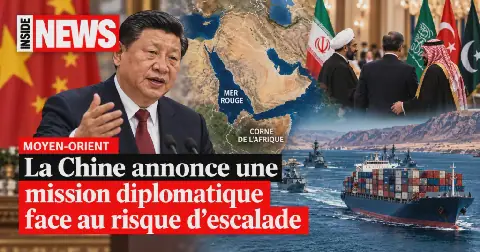
The shift in global dynamics has also impacted Israel's security. The US's declining influence in the region and its pivot towards other priorities have created uncertainty for Israel. The rise of other global powers, such as China and Russia, has further complicated the situation. Israel must now navigate a more complex and multipolar world, which presents both opportunities and challenges. The country's ability to adapt to these changes will be crucial in determining its future security.
Israel's internal stability is also a concern. The country's political landscape is increasingly polarized, and its society is divided. The ongoing conflict has taken a toll on the population, and there are growing concerns about the country's resilience. Israel's security strategy must take into account these internal factors and address the needs of its citizens. The government must balance the need for security with the need for social cohesion and economic stability.
The erosion of Israel's strategic security pillars has significant implications for the country's future. The loss of external support and internal stability could threaten Israel's existence. The country's leaders must develop a new strategy that takes into account the changing global and regional dynamics. This will require a comprehensive approach that addresses both internal and external factors. Israel must also engage with its neighbors and the international community to build a more sustainable and peaceful future.
The recent speech by Israeli Prime Minister Benjamin Netanyahu at the United Nations highlighted the country's concerns about its security. Netanyahu emphasized the need for Israel to defend itself and its people, but also acknowledged the challenges it faces. The speech was seen as a call to action, urging the international community to support Israel's security needs. However, it also underscored the country's isolation and the need for a more nuanced approach to its security.
In conclusion, Israel's strategic security pillars are eroding due to shifts in global and regional dynamics. The country must adapt to these changes and develop a new strategy that takes into account its internal and external challenges. The future of Israel's security depends on its ability to navigate this complex landscape and build a more sustainable and peaceful future. The international community has a role to play in supporting Israel's security needs, but the country must also take responsibility for its own future.
Key points
- Israel's security is deteriorating due to shifts in global and regional dynamics.
- The country's reliance on external support is no longer sustainable.
- Israel must develop a new strategy that takes into account its internal and external challenges.