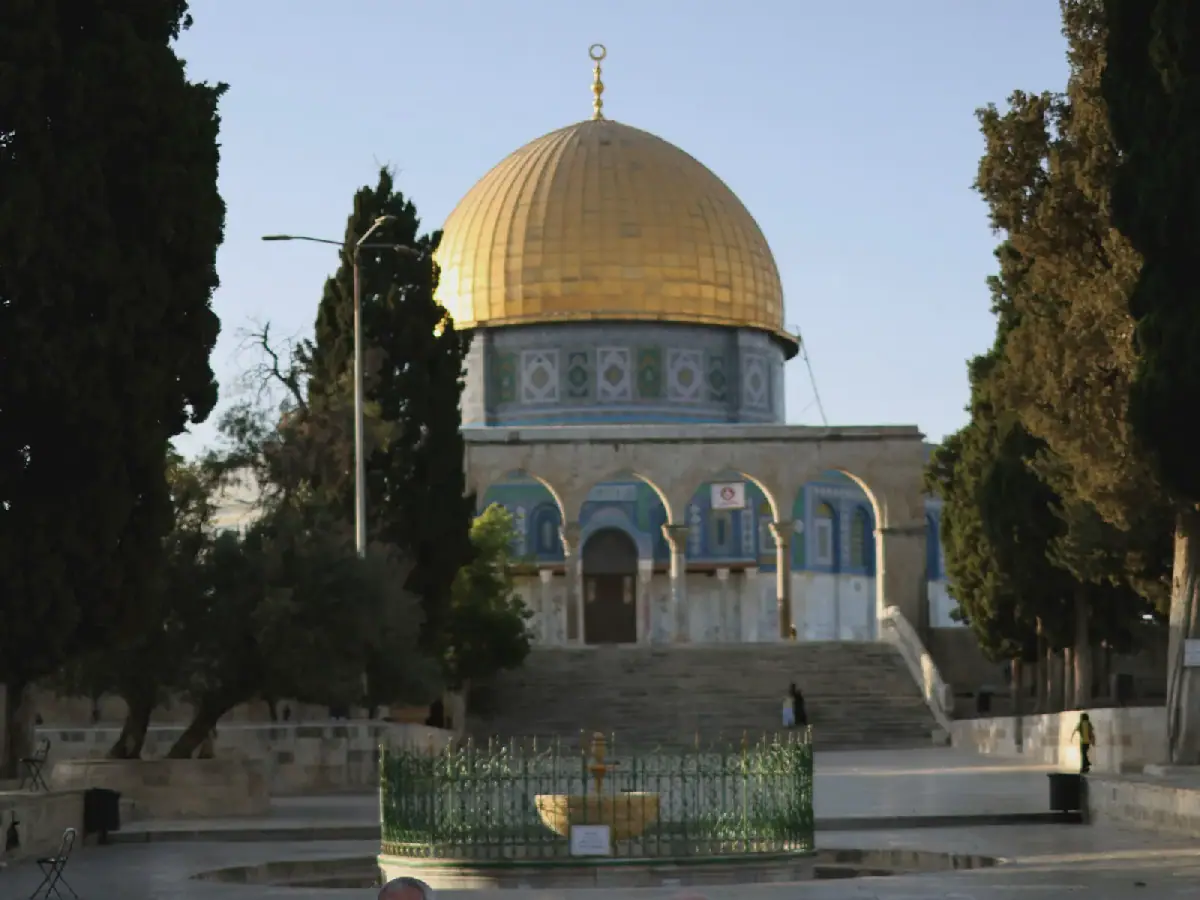
The head of the Higher Islamic Council in Jerusalem, Sheikh Ekrima Sabri, has been barred from Al-Aqsa Mosque in East Jerusalem for over two years. His exclusion order has been extended until April 2027, as Israeli authorities continue to tighten control over the crucial Islamic site. Sabri, a prominent Palestinian figure, has faced multiple exclusion orders since August 2024, following a sermon in which he mourned the death of Hamas leader Ismail Haniyeh.
Sabri's exclusion is part of a broader crackdown on Palestinian access to Al-Aqsa Mosque. The Wadi Hilweh Information Center reports that over 1,000 exclusion orders have been issued against Palestinians at Al-Aqsa and the surrounding Old City since January 2026. These orders target religious figures and Islamic Waqf employees, with a significant surge in exclusions ahead of Jewish holidays. In early September alone, more than 40 exclusion orders were documented.
The restrictions at Al-Aqsa have intensified throughout 2026, including a 40-day closure following a military conflict with Iran. During this time, far-right Jewish activists have been increasingly permitted to pray at the site under police protection, challenging established norms and prompting opposition from ultra-Orthodox Jewish authorities. Meanwhile, nearly 28,000 visits by Israeli settlers to Al-Aqsa were recorded over the summer months.
The exclusion orders have had a profound impact on individuals like Ibrahim al-Natsheh, who was detained for attending funeral prayers at Al-Aqsa earlier this month. He was handed a six-month exclusion order barring him from the Old City without any specific charges. Al-Natsheh claims he has received numerous orders over the past nine years, often citing vague reasons like “disturbing the peace” despite merely praying.
Ma’rouf al-Rifai, an adviser to the Jerusalem Governorate, noted that during recent Jewish holidays, restrictions on Muslim worshippers were heightened. These included mosque closures and limiting access for residents during periods of heightened settler activity. Al-Rifai stated that the Islamic Waqf, responsible for managing Al-Aqsa, faces increasing constraints, with fewer staff and diminished authority.
The ongoing restrictions have sparked concerns about the future of Al-Aqsa Mosque. Al-Rifai expressed concern that ongoing changes represent a significant shift in the site’s status quo, warning that the Israeli authorities’ actions might ultimately alter access and worship arrangements at this sacred site. Sabri has vowed to continue defending Al-Aqsa, which he views as integral to his faith.
The situation at Al-Aqsa Mosque remains tense, with Israeli authorities aiming to diminish Palestinian presence at the mosque while allowing settlers to increase their incursions. The international community is watching closely, as the restrictions and exclusions continue to escalate.
Key points
- Israel extends Sheikh Ekrima Sabri's exclusion from Al-Aqsa Mosque until April 2027.
- Over 1,000 exclusion orders issued against Palestinians at Al-Aqsa and the surrounding Old City since January 2026.
- Israeli restrictions at Al-Aqsa have intensified, with a 40-day closure and increased settler visits.