A recent investigation by Israel's N12 channel has uncovered intelligence suggesting that large sums of money, allegedly originating from Qatar and possibly Turkey, were funnelled into Israel to boost Arab voter turnout in the October 27 Knesset elections. This development has sparked concerns about the integrity of the electoral process. According to sources, the funds were channelled through local entities working to encourage voting within Israel's Arab community, potentially through illicit means.
The allegations centre on claims that some of the funds were transferred via channels previously used for terrorist financing, such as hawala networks. In response, Israel's Chief Justice, Noam Sohlberg, who heads the Central Elections Committee, has ordered a comprehensive investigation. Sohlberg requested that David Zini, head of Israel's internal security agency (Shin Bet), utilize all available resources to verify or refute these allegations, with results expected within a week.
The investigation was prompted by intelligence provided by security agencies, including Shin Bet, which described the potential threat as "exceptionally severe." The information was deemed critical enough to warrant immediate action, given the importance of maintaining election integrity. Sohlberg emphasized that any external attempts to influence election outcomes are unacceptable, particularly when they appear to be counter to Israeli interests.
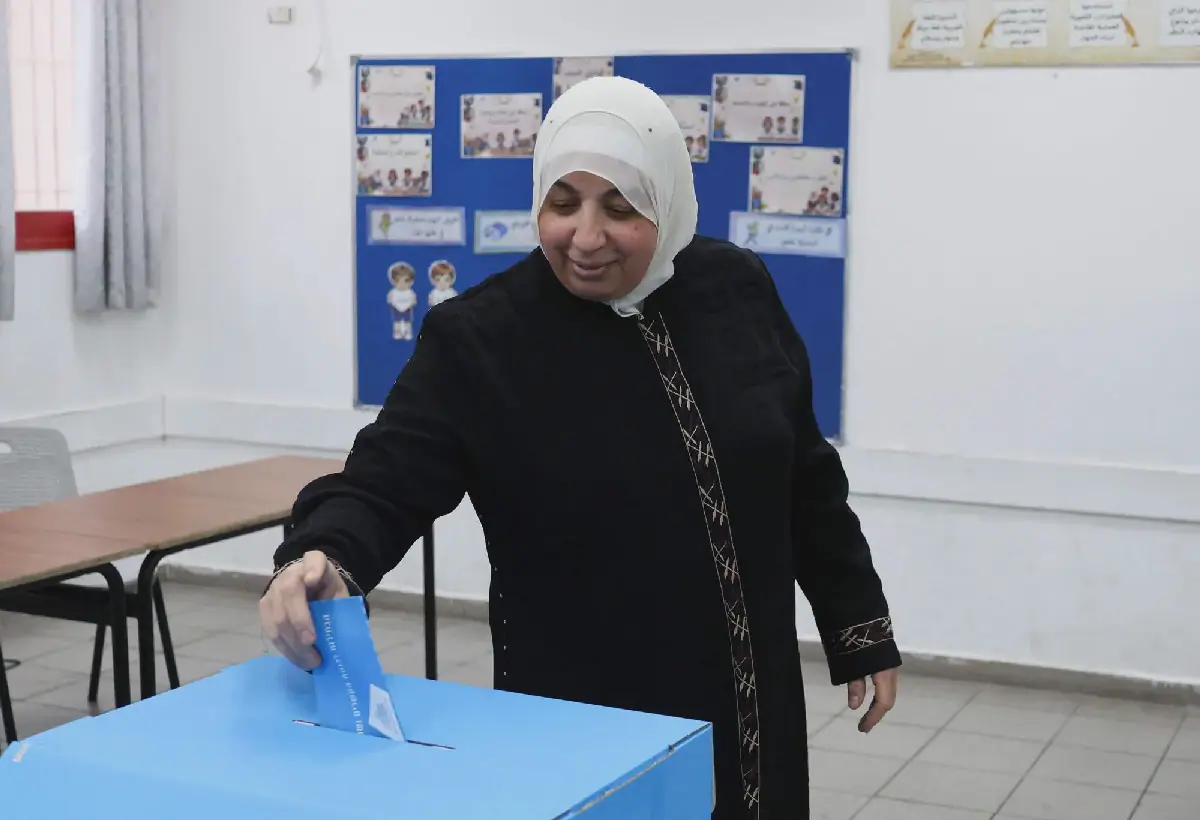
These allegations emerge against the backdrop of an election that saw a notable increase in Arab voter turnout, which in turn bolstered the representation of Arab parties, such as the Joint List and Ra'am. Separately, a police investigation into vote-buying resulted in the arrest of seven suspects in the Negev, where envelopes containing cash and Ra'am voting cards were found. However, authorities stress that this inquiry is distinct from the allegations of Qatari funding.
Qatar has categorically denied any involvement in Israel's elections, dismissing the allegations as "ridiculous and dangerous." A spokesperson for the Qatari Foreign Ministry criticized the accusations, suggesting that Qatar is frequently and unfairly implicated in various Israeli political contexts. Ra'am leader Mansour Abbas welcomed the investigation, asserting that his party has no connection to the matter.
Israeli President Isaac Herzog has called for a thorough and transparent investigation, cautioning against holding the entire Arab community accountable for any individual irregularities. Conversely, some factions within the Likud party have demanded an investigation into the leaders of Arab parties, implying that this could affect the legitimacy of the election results.
The timing of Shin Bet's notification to the Elections Committee has raised questions, as the agency had prior knowledge of potential illicit funding transfers but did not alert the committee until after the vote. The outcome of the investigation, expected in the coming days, will likely determine the extent to which these allegations impact the perceived integrity of Israel's democratic process, especially given that final election results have yet to be officially announced.
Key points
- Israel's election integrity is under scrutiny amid allegations of Qatari funding influencing Arab voter turnout.
- An investigation has been launched into claims of large sums of money, allegedly from Qatar and Turkey, being funnelled into Israel to boost Arab voter turnout.
- Qatar has denied any involvement in Israel's elections, calling the allegations "ridiculous and dangerous."