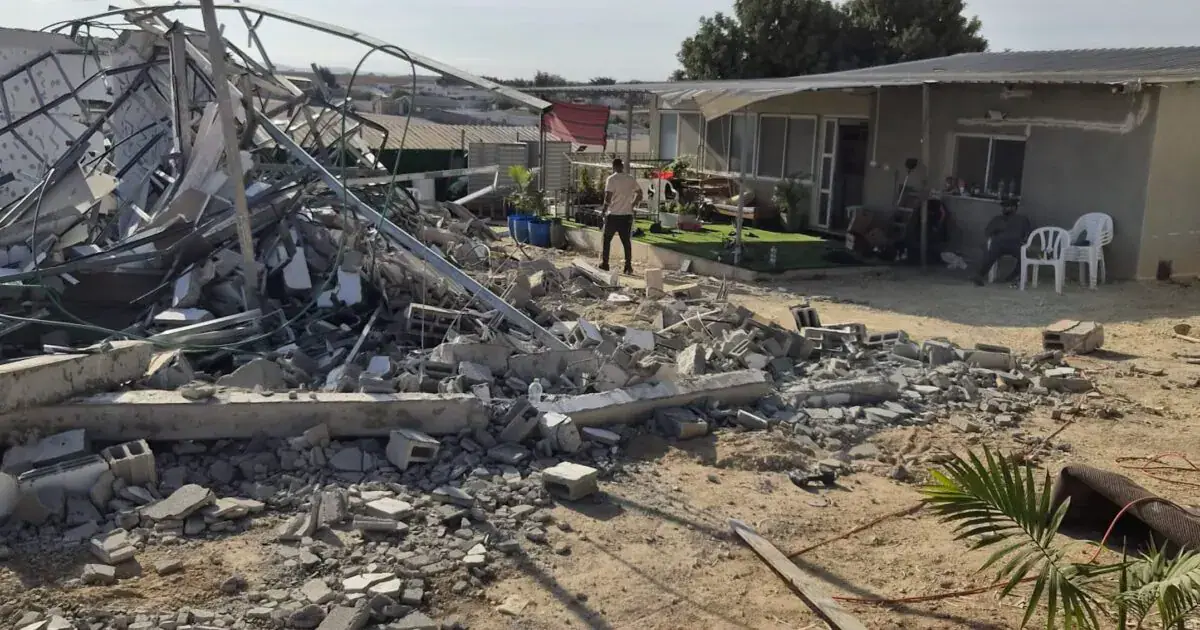
Israeli authorities have demolished the homes of members of Bedouin driver Youssef Ziadna's family in the unrecognised village of al-Ziadna, near the southern Arab-Israeli city of Rahat. This occurred three years after Ziadna risked his life to rescue 30 Israelis from the Hamas massacre at the Nova festival. Israel has celebrated Ziadna as a national hero, awarding him the country's highest civilian honour for bravery and selecting him to light a torch at Israel's 2024 Independence Day ceremony.
The demolitions are part of a wider enforcement campaign in the Negev, championed by outgoing National Security Minister Itamar Ben-Gvir, which has intensified under Prime Minister Benjamin Netanyahu's government. An estimated 90 000 Bedouins live in dozens of unrecognised villages across the Negev, many without reliable running water, electricity, paved roads, or sewage systems. Their homes remain vulnerable to demolition because they are deemed by the state to be illegal, despite many pre-dating the creation of Israel in 1948.
The plight of Ziadna highlights long-simmering tensions over Bedouin housing in the Negev. A bureaucratic maze of Israeli agencies and decades of disputes over land ownership have inhibited a solution that would allow for their legalisation, a necessary step for authorised construction. Israeli courts have previously upheld demolition orders against individual buildings in al-Ziadna, including while efforts to legalise the community were underway.
The demolitions affected branches of Ziadna's family that suffered devastating losses following the 7 October attack. His cousin, also named Youssef al-Ziadna, was abducted to Gaza with three of his children. Two were released after 55 days, but the father and another son, Hamza, were killed in captivity. The late hostage's brother and sister have since had homes and other structures demolished.
On Sunday, authorities posted eviction notices on five more homes in al-Ziadna, including that of Aatef al-Ziadna, whose son Abed al-Rahman was murdered by Hamas at Zikim beach on 7 October. Youssef Ziadna said the family had previously appealed to President Isaac Herzog's office over an earlier demolition order, which was subsequently cancelled. The president's office confirmed receiving requests from the family concerning demolition orders.
The eviction notice gives the occupants 30 days to vacate, but Ziadna said even those deadlines were not always respected. In one case, he said, officers from the Yoav Unit, a special police force involved in land enforcement in the Negev, arrived just a week after a notice was posted and demolished a relative's home. Anger over home demolitions helped drive a surge in voter turnout in the 27 October parliamentary election.
Rahat Mayor Talal al-Krenawi attributed the high turnout to anger over demolitions, saying people who previously didn't vote went to the ballot box to change the government's policy. The al-Ziadna neighbourhood was included in a government-approved plan in 2021 to incorporate it into Rahat and provide for approximately 1 900 housing units, but the Bedouin Settlement Authority said not a single residential plot has been allocated under the plan.
Key points
- The demolitions are part of a wider enforcement campaign in the Negev that has intensified under Prime Minister Benjamin Netanyahu's government.
- An estimated 90 000 Bedouins live in dozens of unrecognised villages across the Negev, many without basic services.
- The issue highlights long-simmering tensions over Bedouin housing in the Negev.