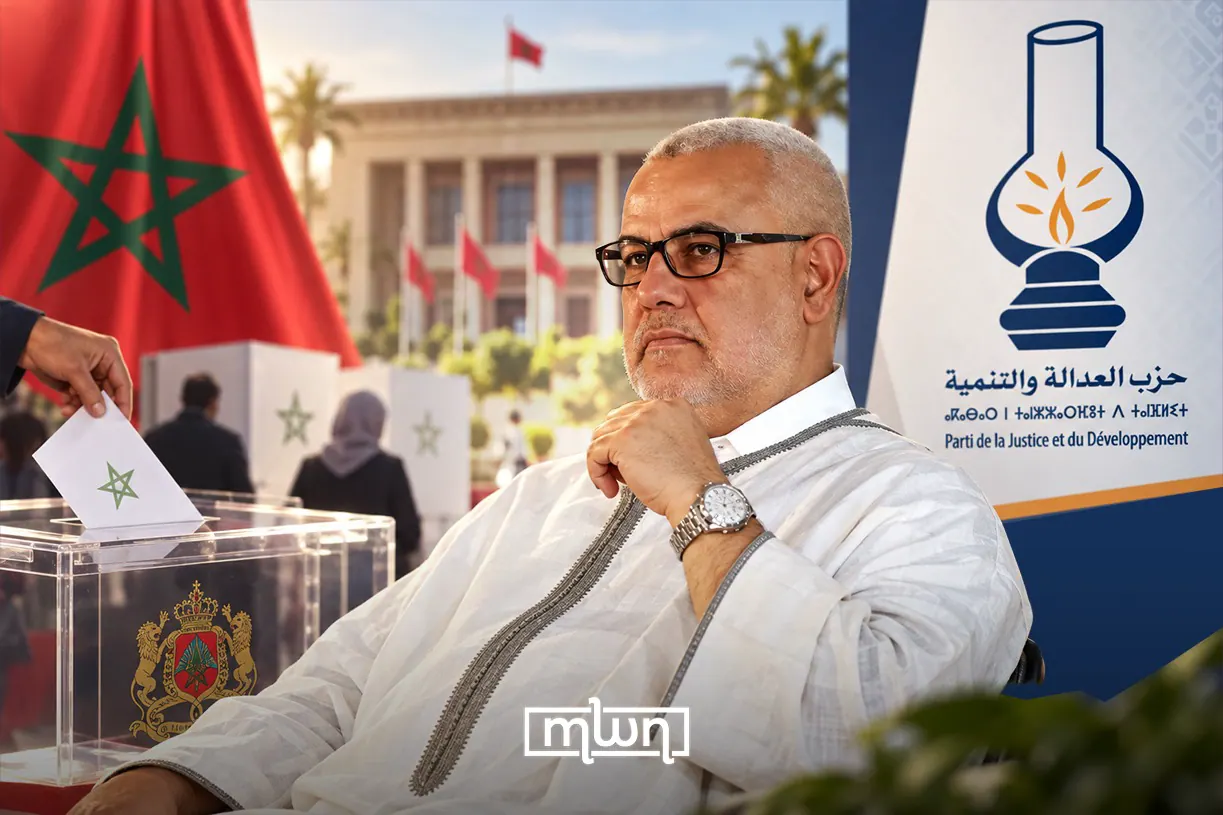
Morocco is set to elect 395 members of its House of Representatives on 23 September, marking its first legislative contest since 2021. The Italian Institute for International Political Studies (ISPI) has published an analysis suggesting that the election is unlikely to disturb the current political order. The analysis, written by Mohammed Masbah, notes that the electoral rules, including the quotient, constituency design, and voter registration, have remained largely unchanged despite some cosmetic and procedural changes.
The electoral quotient, which allocates seats based on registered voters rather than votes cast, is seen as a decisive instrument that prevents any single party from winning more than one seat per district. This structural barrier keeps parties below 100 seats and rewards smaller and medium-sized formations. The constituency design also compounds this effect, with a guaranteed minimum of two seats per province and a map drawn from outdated census data. Voter registration has also been a contentious issue, with a drop from 18 million registered voters in 2021 to 15.8 million in 2026.
The analysis highlights a shift in the competition dynamics, with the central battle now running between two administrative parties, the National Rally of Independents (RNI) and the Authenticity and Modernity Party (PAM). Both parties were founded by figures from the royal circle and are currently in government. Masbah describes a "war of attrition" between them, with RNI accusing PAM of poaching its members. This rivalry may work to the advantage of the Justice and Development Party (PJD), which has historically been a major player in Moroccan politics.
The PJD's recovery is expected to be limited, with Masbah estimating that it may regain around 40 to 50 seats. This is attributed to the party's strategy under Abdelilah Benkirane's leadership since October 2021, which has focused on identity politics, Palestine and Gaza, and anti-corruption. However, turnout may limit the PJD's revival, particularly in urban areas where the party has historically been strong.
A potential alliance between the PJD and PAM is seen as difficult to conceive given their historical animosity. However, Masbah notes that such a pact could depend on PAM leading the vote, the PJD securing enough seats to negotiate, and both parties agreeing to govern together. This scenario is likened to Morocco's 1999 succession context, when opposition parties were brought into government to project stability during a transition.
The elections take place against a backdrop of declining public trust, recurring corruption controversies, and social unrest. The Gen Z protests that erupted in October 2025 over economic conditions and social justice have highlighted the need for greater youth participation. A migration crisis has also compounded these pressures, with an estimated 50,000 to 80,000 people attempting to cross into occupied Ceuta in late July and early August.
The ISPI dossier frames these strains as a "two-speed Morocco," with major development and infrastructure projects and the country's selection to co-host the 2030 FIFA World Cup contrasting with persistent socio-economic fragilities. The analysis suggests that the elections will pass with limited international attention, with the monarchy retaining its role as kingmaker over weak parties.
Key points
- The PJD may regain around 40 to 50 seats in the upcoming elections.
- The electoral rules, including the quotient, constituency design, and voter registration, have remained largely unchanged despite some cosmetic and procedural changes.
- A potential alliance between the PJD and PAM is seen as difficult to conceive given their historical animosity.