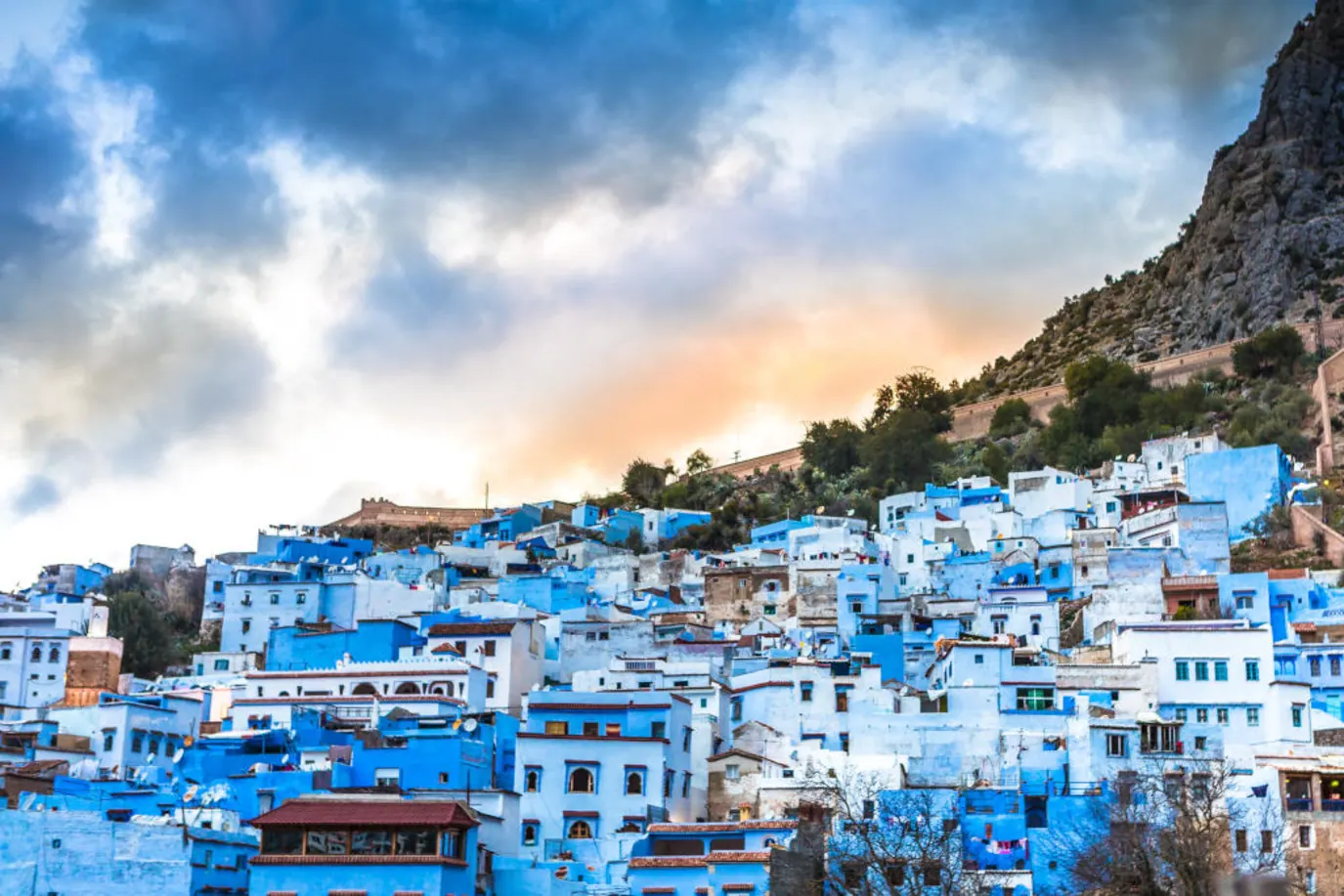
With the parliamentary elections approaching, political parties in Morocco's Chafchaouen province are facing increased competition and uncertainty. The region's residents have expressed frustration over the lack of development, isolation, and high unemployment rates. These concerns have become a significant challenge for incumbent parliamentarians and major parties, who risk losing their traditional voter base in rural areas. The situation has led to a surge in campaign efforts, with various parties vying for support.
The issues plaguing Chafchaouen's rural areas have been highlighted by local sources. These include inadequate infrastructure, such as poor road networks, limited access to healthcare, and frequent power outages. Additionally, residents face difficulties in accessing education, with high dropout rates, particularly among girls. The lack of job opportunities and limited access to basic services have contributed to widespread discontent. Parties are now focusing on addressing these concerns to win over voters.
The competition in Chafchaouen has intensified, with major parties like the Authenticity and Modernity Party (PAM) seeking to maintain their presence in the region. However, the party has faced controversy, including the recent defection of one of its candidates to the PAM. The situation has raised questions about the party's ability to retain its parliamentary seat. Other parties are capitalizing on the discontent, promising to address the region's pressing issues.
The rural areas of Chafchaouen have long suffered from inadequate infrastructure and services. Many residents lack access to basic amenities like clean water, electricity, and healthcare. The region's isolation has also hindered economic development, leading to high unemployment rates. These challenges have become a focal point for parties seeking to win over voters. By addressing these concerns, parties hope to gain support and secure parliamentary seats.
The issue of cannabis cultivation has also become a contentious topic in Chafchaouen. The region has struggled with the regulation of cannabis farming, which has led to uncertainty and concerns among residents. Furthermore, the construction of medium and large dams has been delayed, exacerbating the region's water management issues. These challenges have significant implications for the region's economic and social development.
The competition for parliamentary seats in Chafchaouen has become increasingly intense. Parties are seeking to capitalize on the region's challenges, promising to address the pressing issues faced by residents. The outcome of the elections will have significant implications for the region's future development and the representation of its residents in parliament. Voters will play a crucial role in shaping the region's future.
The elections in Chafchaouen will be closely watched, as the region's residents exercise their right to vote. The challenges faced by the region, including isolation, unemployment, and lack of development, will be key factors in determining the outcome. The parties' ability to address these concerns and provide effective representation will be crucial in securing voter support. The results will provide insight into the region's priorities and the future of its representation in parliament.
Key points
- Moroccan parties face challenges in Chafchaouen due to voter concerns over isolation, unemployment, and lack of development.