The Horn of Africa is facing one of its most perilous periods, with extremist Islamist organizations, notably the Muslim Brotherhood, attempting to spread chaos and implement clandestine plans to dominate the region. They are capitalizing on the ongoing conflict in Sudan to achieve their objectives. Reports from the beginning of the year indicate a trans-border recruitment operation aimed at drawing the Horn of Africa into the Sudanese conflict, according to information confirmed by Ethiopia Insight.
Ethiopia Insight reports a complex and expanding network of regional military interventions, human trafficking, and recruitment of fighters for external parties, all of which are fueling the ongoing war in Sudan. The situation is dire, with Somalia hosting military training centers and recruitment networks operating in the Ethiopian region of Tigray. This has raised concerns about the resurgence of political factions affiliated with the Muslim Brotherhood, which could establish cross-border supply lines to provide fighters to the Sudanese army, its Islamist allies, and armed movements.
The convergence of interests between regional states and the Muslim Brotherhood is evident. Sawt al-Qarn al-Ifriqi (The Voice of the Horn of Africa) published on its X account that Saudi Arabia directly supervised a large-scale military training program in Somalia's Galguduud region, involving over 5,000 Somali recruits trained for deployment in Sudan to fight alongside the army led by Abdel Fattah al-Burhan. This development underscores the complex geopolitical dynamics at play in the region.
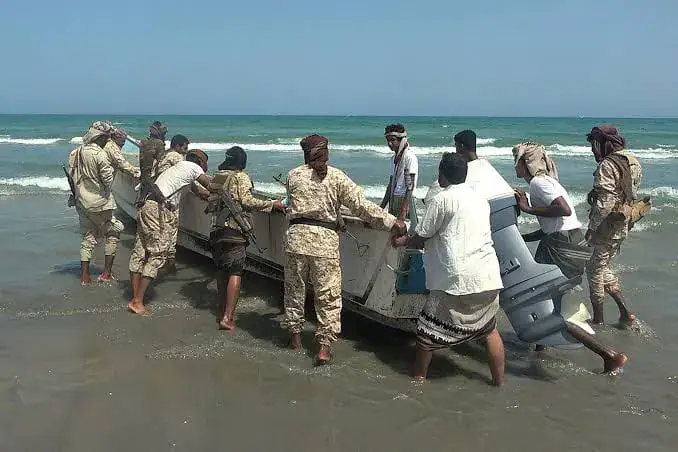
As the conflict in Sudan continues, concerns are growing about the exploitation of tensions in Sudan, Ethiopia, and Eritrea by the Muslim Brotherhood to impose forced recruitment on residents of the Ethiopian region of Tigray, sending them to fight alongside the Sudanese army. Sahih Sudan reports fears about the expansion of the conflict in Sudan and its entanglement with neighboring countries' conflicts, with videos on social media showing groups of young men in military uniforms.
The situation in the Horn of Africa is deteriorating, with the conflict in Sudan no longer confined to internal military clashes but increasingly reliant on a commercial trans-border infrastructure, threatening the stability of the entire region. The international community is watching closely, as the Horn of Africa is a critical geopolitical hotspot. The regional and global implications of this conflict are significant, with potential spillover effects into neighboring countries.
The Horn of Africa has long been a volatile region, with ongoing conflicts in Somalia, Ethiopia, and Eritrea. The current situation in Sudan has exacerbated these tensions, creating an environment in which extremist groups can thrive. The Muslim Brotherhood's recruitment efforts are a worrying development, as they seek to capitalize on the chaos to further their goals.
The international community must remain vigilant and address the root causes of the conflict in Sudan and the Horn of Africa. This includes tackling extremist groups like the Muslim Brotherhood and their recruitment efforts, as well as promoting stability and security in the region. The fate of the Horn of Africa hangs in the balance, and swift action is necessary to prevent further destabilization.
Key points
- Extremist groups, including the Muslim Brotherhood, are escalating recruitment efforts in the Horn of Africa.
- The conflict in Sudan is increasingly reliant on a commercial trans-border infrastructure, threatening regional stability.
- The international community must address the root causes of the conflict and prevent further destabilization in the Horn of Africa.