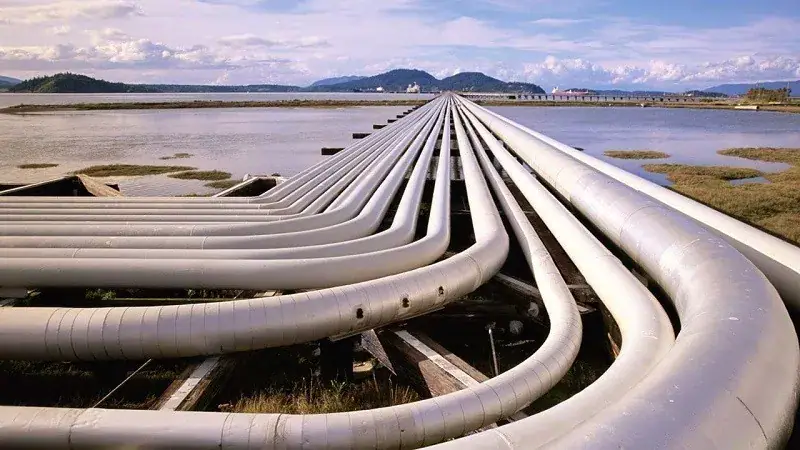
Nigeria's state-owned National Petroleum Company (NNPC) is soliciting investments for the Morocco-Nigeria Gas Pipeline project, estimated to cost between $25 billion and $26 billion. The project aims to transport over 30 billion cubic meters of natural gas annually to Morocco through 13 Atlantic coastal countries. NNPC CEO Bashir Bayo Ojulari stated that the company is engaging potential investors, including international energy partners such as the UAE's Abu Dhabi National Oil Company (ADNOC).
The Nigeria-Morocco Gas Pipeline, also known as the African Atlantic Gas Pipeline, is a joint mega-project led by NNPC and Morocco's National Office of Hydrocarbons and Mines (ONHYM). An agreement was signed in September by countries along the pipeline's proposed route. The project seeks to develop existing infrastructure in phases, rather than building everything from scratch. NNPC plans to extend the existing pipeline to Sierra Leone before expanding to other countries.
NNPC is also discussing the Trans-Saharan Gas Pipeline, also known as TSGP, with Algeria and Niger. The project aims to develop the funding structure, with discussions on a final investment decision expected to begin in 2027. According to Ojulari, the project is advancing, with Nigeria, Algeria, and Niger aligning on the funding structure.
The Morocco-Nigeria Gas Pipeline project is crucial for Morocco, which seeks to ensure its energy sovereignty amid an uncertain energy outlook and fluctuating fuel prices. Morocco has been affected by rising fuel prices, which have impacted the country's purchasing power. The government has announced measures to mitigate the impact, including extending aid to transport professionals and tackling rising prices.
The project will be developed in phases, using existing infrastructure to reduce costs. NNPC aims to connect the gas supply to the region, with conversations ongoing about how to achieve this. The company plans to leverage existing infrastructure instead of building new ones from scratch.
Rising fuel prices in Morocco have had a ripple effect on commodity and market prices. Vendors and wholesale market professionals often link increases in vegetable and fruit prices to the fuel crisis. The government has pledged to address the situation and mitigate the impact of rising prices on the economy.
The Morocco-Nigeria Gas Pipeline project has the potential to boost energy security in Morocco and the region. With investments from international partners, the project can move forward, providing a stable supply of natural gas to Morocco and other countries along the pipeline's route. The project's success will depend on the outcome of discussions with investors and the development of the funding structure.
Key points
- The Nigeria-Morocco Gas Pipeline project is estimated to cost between $25 billion and $26 billion.
- The project aims to transport over 30 billion cubic meters of natural gas annually to Morocco through 13 Atlantic coastal countries.
- NNPC expects to begin discussions on a final investment decision for the Trans-Saharan Gas Pipeline in 2027.
Reporting sources
- Read article: Nigeria Invites Investors for Morocco-Nigeria Gas Pipeline Project · Morocco World News