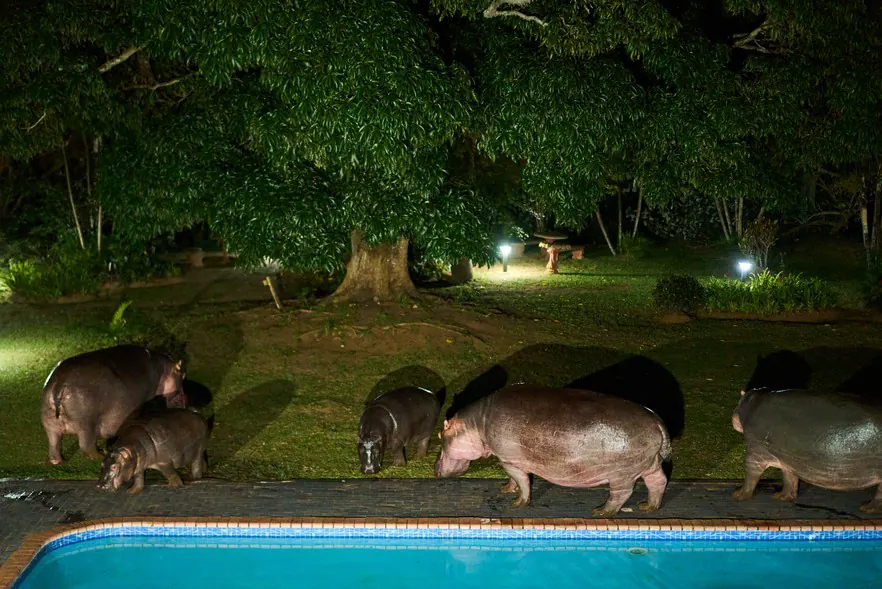
The iSimangaliso World Heritage Site in KwaZulu-Natal, South Africa, is facing a significant threat to its ecosystem. According to Professor Alan Whitfield, Emeritus Chief Scientist at the National Research Foundation's South African Institute for Aquatic Biodiversity, the Lake St Lucia estuary is about to undergo an "ecosystem flip" into a freshwater wetland. This change is expected to occur within the next decade, which could lead to the death of marine fish and a significant loss of biodiversity in the area.
The iSimangaliso World Heritage Site was declared a UNESCO World Heritage Site in 1999 due to its exceptional biodiversity and unique ecosystems, including terrestrial, coastal, and marine environments. The site's Lake St Lucia estuary is the largest estuarine lake system in Africa, making up half of South Africa's estuarine habitat. However, human actions have accelerated the natural transition of the estuary system, which should take place over thousands of years. The reconnection of the uMfolozi River to the estuary in 2012 has led to an influx of silt-laden water, threatening the connection between the lake and the sea.
The estuary's ecosystem supports a wide range of species, including Nile crocodiles, hippos, over 500 bird species, and hundreds of fish species. However, decreasing salinity in the estuary will put pressure on marine fish species, leading to a predicted die-off of thousands of fish. This change will result in a simpler system dominated by freshwater fish, which could lead to the loss of the site's World Heritage status. Professor Whitfield and other scientists have raised concerns about the site's future and proposed new strategies to slow the changes.
The iSimangaliso Wetland Park Authority has not supported Whitfield's suggestions about the state of the estuarine system. In June, a spokesperson told the Daily Maverick that the authority "does not share the view that the St Lucia Estuary is approaching an imminent ecological tipping point." The authority did not respond to requests for comment. The site's management strategy has been mostly "hands-off," but Whitfield argues that new strategies are required to slow the transition to a freshwater system and restore the process to a more natural timeline.
The potential loss of biodiversity and World Heritage status at iSimangaliso has significant implications for conservation efforts in South Africa. The site's unique ecosystems and species are an important part of the country's natural heritage, and efforts are needed to protect and preserve them. Scientists and conservationists are calling for urgent action to address the threats facing the site and to ensure its long-term sustainability.
The iSimangaliso World Heritage Site is not only important for its biodiversity but also for its economic and social benefits. The site supports tourism and provides livelihoods for local communities. The potential loss of the site's World Heritage status could have significant economic and social impacts on the region. Efforts are needed to balance conservation goals with the needs of local communities and to ensure the long-term sustainability of the site.
The concerns raised by scientists about the iSimangaliso World Heritage Site highlight the need for continued monitoring and research into the site's ecosystem. Further studies are needed to understand the complex interactions within the estuary and to develop effective management strategies. The site's future is uncertain, but with urgent action and cooperation between conservationists, scientists, and local communities, it may be possible to protect and preserve this unique and valuable ecosystem.
Key points
- The iSimangaliso World Heritage Site is at risk of losing its biodiversity and World Heritage status due to an "ecosystem flip" into a freshwater wetland.
- Human actions, including the reconnection of the uMfolozi River, have accelerated the natural transition of the estuary system.
- New strategies are required to slow the transition to a freshwater system and restore the process to a more natural timeline.