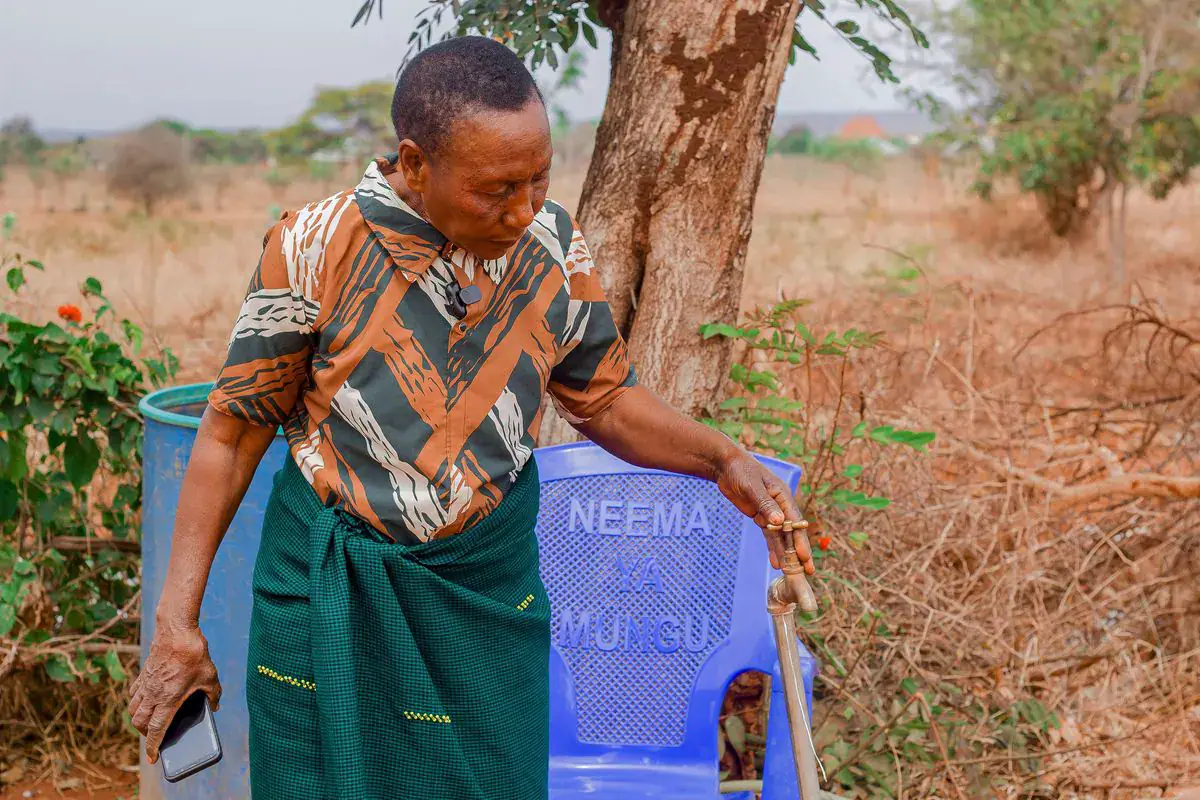
A major public investment in Tanzania's water sector has not translated into equal access for all residents in Ishinde Village, Same District. The Sh300 billion Same–Mwanga–Korogwe Water Supply Project, launched in March last year, aims to supply 103 million litres of water per day to 450,000 people in Kilimanjaro and Tanga regions. However, some residents in Ishinde's Morondwe, Kigogo, Kisakeni, and parts of Ishinde Stand continue to experience water shortages.
The Ishinde water gap raises questions about the planning and implementation of the project. The village has five hamlets, with Kibaoni having relatively reliable water supplies. Despite being included in the first phase of the project, some areas remain outside the network, forcing households to depend on boreholes, solar-powered systems, and purchased water. The situation highlights a critical question: why has a major public investment not translated into equal access for all residents?
The Water Supply and Sanitation Act, 2019, establishes every person's right to efficient, effective, and sustainable water supply and sanitation services. The Rural Water Supply and Sanitation Agency (RUWASA) is responsible for overseeing the development and sustainable management of rural water and sanitation projects. However, the agency's role in ensuring equal access to water services for all residents in Ishinde Village remains unclear.
In Morondwe, the government has drilled a borehole and installed a solar-powered pumping system. However, the infrastructure has not translated into household connections. Residents still collect water from the borehole and pay to transport it home, with some commitments not being fulfilled. The situation becomes more severe when there is insufficient sunshine to power the system.
The Ministry of Water is aware of the disparities in water access across the country and has set a target of achieving nationwide access to clean and safe water by 2030. Permanent Secretary at the Ministry of Water, Ms Mwajuma Waziri, said 10,758 of Tanzania's 12,333 villages had been reached with water services, leaving 1,575 yet to be covered. The government plans to implement the programme in phases, starting in the 2026/27 financial year.
The Same Water Supply and Sanitation Authority (SAMWASA) engineer, Mr Seleman Nungu, said providing water to Ishinde had always been part of the plan. The authority has surveyed Ishinde Village and is working to ensure that the project caters for all residents by the time the second phase of the project ends. However, residents need to know when the underserved hamlets will be connected, what infrastructure remains to be built, and which institution is responsible for completing the work.
Ishinde's experience highlights a broader challenge in measuring progress in water service delivery. The government has a legal framework, a national target, and a multibillion-shilling project aimed at expanding access. However, residents' experience suggests that accountability cannot end with the construction of a borehole or installation of a pump. It should also examine whether the water is sufficient, reliable, and accessible to the people the infrastructure was intended to serve.
Key points
- The Sh300 billion Same–Mwanga–Korogwe Water Supply Project has not translated into reliable water access for all residents in Ishinde Village.
- The government has set a target of achieving nationwide access to clean and safe water by 2030.
- Ishinde's experience highlights a broader challenge in measuring progress in water service delivery.