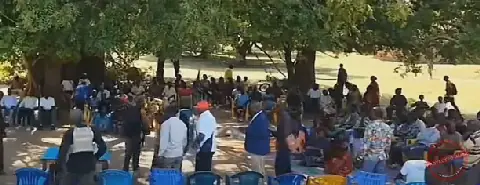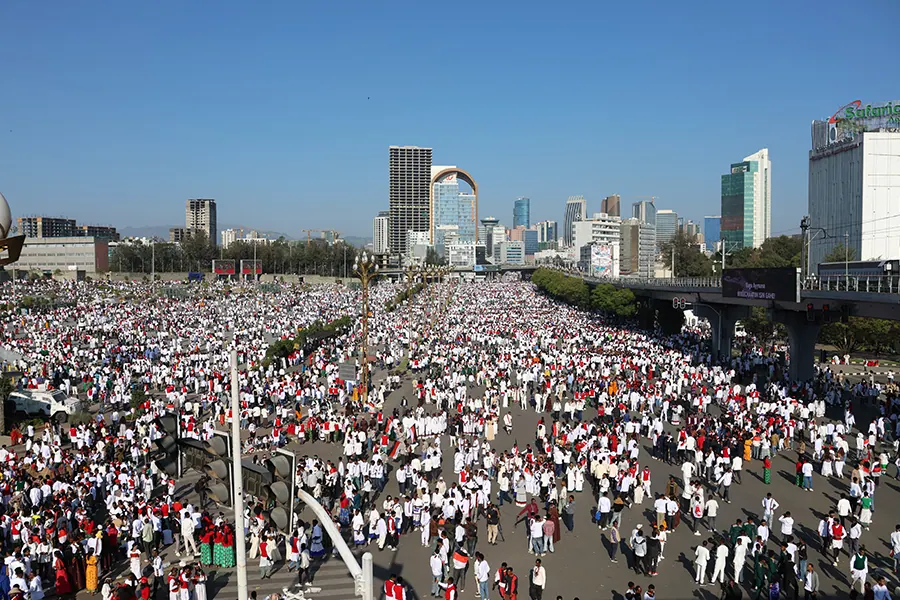
The annual Irreecha festival, a thanksgiving celebration, drew tens of thousands to Meskel Square in Addis Abeba last week. The event was marked by vibrant colours, songs, and dances. However, many attendees, including those from out of town, faced a significant increase in costs associated with travel, lodging, and traditional dress. This surge in expenses added a considerable burden to the celebrations.
Travel and accommodation costs saw a notable hike, with one visitor from Bale Zone paying 7,150 Br for a plane ticket. Hotel room rates also increased, with a room initially booked at 1,400 Br rising to 2,000 Br within two days. A double room shared by friends jumped from 2,000 Br to 3,500 Br, prompting some to cut their stays short. The rising costs forced attendees to make adjustments to their plans.
Traditional dress and accessories also came with a higher price tag. Celebrants rented regional outfits, such as Borena dresses, at 1,500 Br, up 500 Br from the previous year. Clothing from Wollo, trimmed with Ashenketa and Diri, cost around 4,000 Br per person. A first-time visitor from the United States wore an Arsi dress that cost 12 dollars. The increased costs did not deter attendees from showcasing their cultural heritage.
The festival grounds turned into a temporary market, with vendors selling black, red, and white hats, ribbons, and flags. According to a trader, prices of these items rose by 30-50%, with ribbons increasing from 20-35 Br to 50-80 Br. Flags were sold for as little as 50 Br to between 80 Br and 300 Br. The trader attributed the price hike to higher transport costs and raw-material shortages.
The cost of face paintings at the festival also increased, jumping from 30 Br to 50 Br. Despite the rising costs, attendees continued to enjoy the festivities. The Oromia Regional State has been pushing to expand its hotel and tourism sector, introducing changes in 2024 that offer lease and income-tax incentives scaled by distance from Addis Abeba.
The increased costs of celebrating Irreecha may have been a challenge for many attendees, but the festival's significance and cultural importance remained a priority. The event brought together people from different backgrounds, showcasing the rich cultural heritage of Ethiopia. As the country continues to develop its tourism sector, it will be interesting to see how such events evolve in the future.
The Irreecha festival is an essential part of Ethiopian culture, and its celebration is a testament to the country's rich heritage. As the Oromia Regional State continues to invest in its tourism sector, it is likely that events like Irreecha will become even more significant, attracting more visitors and promoting cultural exchange.
Key points
- The cost of celebrating Irreecha increased significantly this year, with costs of travel, lodging, and traditional dress surging.
- The Oromia Regional State has introduced changes to expand its hotel and tourism sector, offering lease and income-tax incentives.
- Despite the rising costs, attendees continued to enjoy the festivities, showcasing the cultural significance of the Irreecha festival.