A group of 20 to 25 passengers abducted along the Juba–Mundri Road in Western Equatoria State have recounted their harrowing experience after being released unharmed following four days in captivity. The abductees were ambushed by armed men while traveling along the road, with the attackers ordering passengers to unload goods from their vehicles before forcing them into the bush. The incident occurred on September 28, with the Director of Lui Payam reporting that two vehicles had been burned and passengers taken by the attackers.
According to the survivors, the armed men stopped two additional Land Cruiser vehicles, taking their passengers and goods as well. The abductees were then forced to carry the goods as the armed men moved them through the bush, warning that anyone who attempted to escape would be shot. The group consisted of 10 women and men from different communities, including Baka, Avukaya, Moru, and Burundians. The survivors described the ordeal as terrifying, with one woman recounting how they were made to carry goods for four days.
The abductees spent nights in remote areas while being moved from one location to another. They were told that anyone who tried to escape would be shot dead. The group walked until night and slept in a mountainous area, only to wake up and continue walking because they did not know where they were being taken. The survivors said they were eventually released on the fifth day, with some being transported to Juba and Yambio in vehicles hired by former Speaker and Presidential Advisor for Governance, Joseph Ngere Paskio.
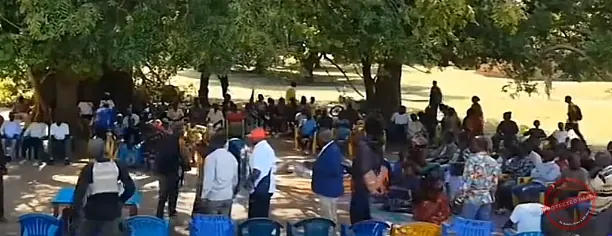
Joseph Ngere Paskio visited the Lui Payam following the release of the abductees, welcoming their safe return and calling for the incident not to be framed along ethnic lines. He emphasized that the victims came from different ethnic backgrounds, rejecting suggestions that the incident should be viewed as a confrontation between particular communities. Ngere Paskio stated that the abducted individuals were from mixed tribes, including Baka, Avukaya, Moru, and even Burundians.
The release of the abductees comes amid continued concerns over insecurity along major roads connecting Western Equatoria State with Juba. Attacks on civilian vehicles have raised concerns over the safety of passengers and commercial traffic. The incident has highlighted the need for improved security measures to protect travelers and goods along these routes.
The abduction is not an isolated incident, as there have been reports of attacks on vehicles traveling along the Yambio–Mundri road. The Director of Lui Payam initially reported the incident on September 28, stating that two vehicles had been burned and between 20 and 25 passengers taken by the attackers. The incident has sparked fears of escalating insecurity in the region.
The safe return of the abductees has brought relief to their families and communities. However, the incident serves as a reminder of the security challenges facing the region. Efforts are being made to address these concerns and ensure the safety of travelers and goods along the Juba–Mundri road and other major routes in Western Equatoria State.
Key points
- The abductees were from different ethnic backgrounds, including Baka, Avukaya, Moru, and Burundians.
- The incident has highlighted the need for improved security measures to protect travelers and goods along major roads in Western Equatoria State.
- The abduction is part of a larger pattern of attacks on civilian vehicles traveling along the Yambio–Mundri road.