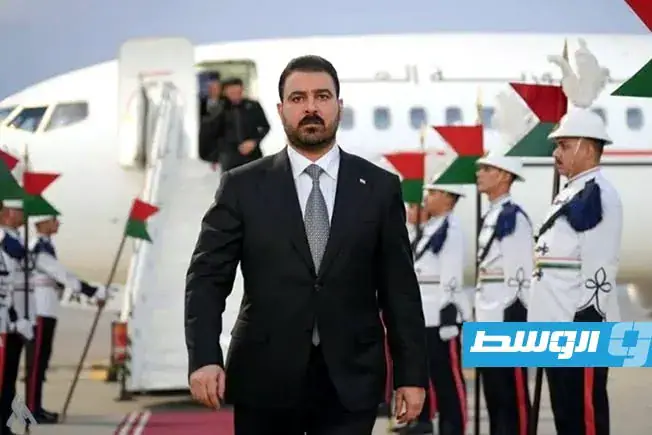
Iraqi Prime Minister Ali Al-Zidi has directed the federal government to take control of all border crossings in the Kurdistan region. This move is part of a broader effort to crack down on corruption and smuggling in the region. Al-Zidi, who is also the commander-in-chief of the armed forces, made the announcement following a report from an investigative committee on oil smuggling in the North Oil Company.
The investigation revealed widespread corruption and smuggling of oil and petroleum products in the Kurdistan region. As a result, several high-ranking officials have been relieved of their duties, including the head of the border crossings authority and the commander of the Kirkuk operations. The prime minister's office said that those officials failed to properly monitor and prevent the smuggling of oil and petroleum products.
The Iraqi government has also taken steps to consolidate control over the region's oil resources. The Ministry of Oil will now directly manage all oil fields in the provinces of Diyala, Kirkuk, Salah al-Din, and Nineveh, which are currently under the administrative control of the Kurdistan regional government. This move aims to prevent unauthorized oil exports and ensure that all oil sales are conducted through the federal government.
The Kurdistan regional government has been instructed not to grant export licenses for crude oil and petroleum products without the approval of the federal Ministry of Oil. This measure is intended to prevent overlapping authorities and ensure that all oil exports are properly regulated. The federal government has also ordered the closure of unauthorized border crossings and the deployment of troops to secure the region.
The military and security measures include the deployment of troops to close unauthorized roads and trails between the provinces of Diyala, Salah al-Din, Kirkuk, and Nineveh, and the Kurdistan region. The Ministry of Interior has also been instructed to monitor oil fields and installations with cameras, including those in areas under the administrative control of the Kurdistan regional government.
The investigation into corruption and smuggling in the Kurdistan region is ongoing, with several cases referred to the judiciary. The federal government has emphasized its commitment to rooting out corruption and ensuring that all economic activities are conducted transparently and in accordance with the law. The prime minister's office has stated that these measures are aimed at protecting the country's resources and preventing further corruption.
The moves by the Iraqi federal government have significant implications for the Kurdistan region and the country's oil industry. The region has long enjoyed a degree of autonomy, but the federal government's efforts to consolidate control over oil resources and border crossings may lead to tensions between Erbil and Baghdad. The situation remains closely watched by international observers, who are concerned about the potential impact on regional stability.
Key points
- The Iraqi government has taken steps to consolidate control over the region's oil resources and prevent unauthorized oil exports.
- Several high-ranking officials have been relieved of their duties amid a corruption investigation.
- The moves have significant implications for the Kurdistan region and the country's oil industry.