Dr. Ghazi Faisal, director of the Iraqi Center for Strategic Studies, commented on the issue of restricting weapons to the Iraqi state. He stated that this matter is primarily related to the violation of Article 9 of the Iraqi constitution, which prohibits the formation of militias and armed groups in Iraq since 2014. Article 8 also prohibits Iraq and its security, defense, and military institutions from interfering in the internal affairs of neighboring countries through force.
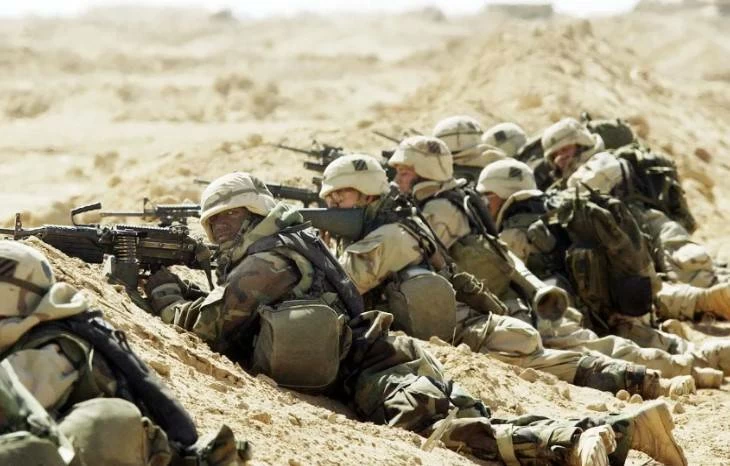
Faisal noted that these militias do not defend Iraq's national security. Instead, he emphasized that the Iraqi armed forces, including the army, interior ministry, police, and intelligence services, are responsible for protecting national security. He also pointed out that these militias often clash with Iraqi armed forces and pursue an Iranian agenda linked to the concept of velayat-e faqih, which aims to expand Iranian influence in the Middle East and the Arabian Gulf.
According to Faisal, these militias have participated in various conflicts, including the war in southern Lebanon alongside Hezbollah and in Syria to support Bashar al-Assad's regime. They also collaborate with the Houthis in their conflict against the legitimate Yemeni government. Faisal stressed that these militias prioritize Iran's national security over Iraq's.
Faisal identified 4 to 10 militant groups that are ideologically and religiously linked to Iran's Qom and pledge allegiance to Supreme Leader Ali Khamenei. These groups do not follow the Najaf-based Marja'iyya or the authority of Grand Ayatollah Ali al-Sistani. He emphasized that these militias have an illegitimate presence in Iraq and do not represent the country's identity.
The Iraqi constitution clearly outlines the role of the state in maintaining security and defense. However, the presence of these militias has created tensions and raised concerns about their loyalty and priorities. Faisal's comments highlight the complexities of Iraq's security landscape and the influence of external actors.
The issue of militias in Iraq has significant implications for regional stability. Faisal's statements underscore the need for Iraq to assert its sovereignty and ensure that its security institutions are not compromised by external interests. The international community is also watching Iraq's developments closely, given the country's strategic importance in the region.
As Iraq navigates its complex security environment, it must balance its relationships with neighboring countries, including Iran. The Iraqi government faces challenges in addressing the presence of militias and ensuring that its security institutions are effective and accountable.
Key points
- Iraqi militias prioritize Iran's security over Iraq's national interests.
- These militias have an illegitimate presence in Iraq and do not represent the country's identity.
- The issue of militias in Iraq has significant implications for regional stability.