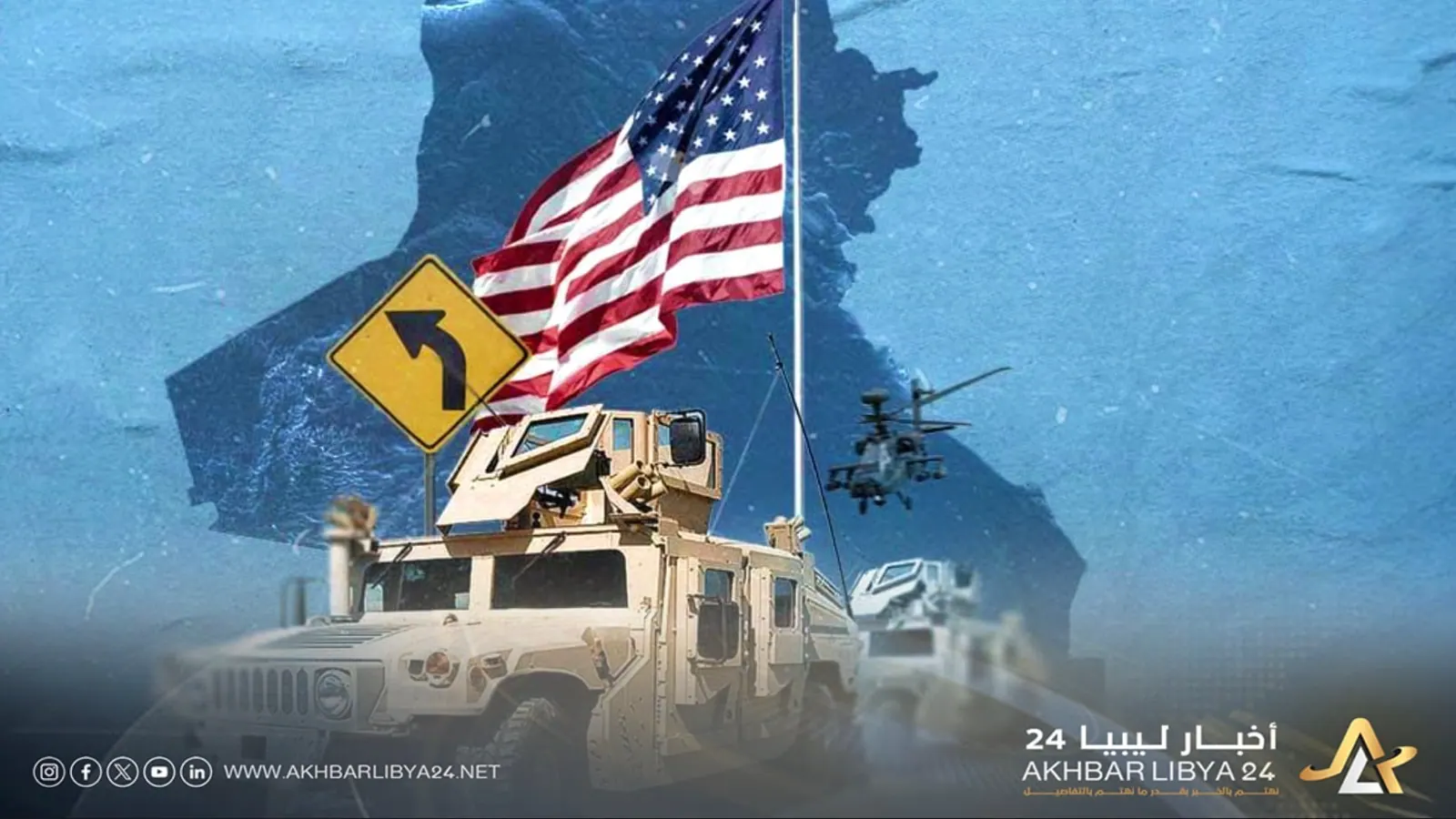
The Iraqi government and the United States announced the end of the military mission of the international coalition in Iraq on September 30, 2026. This move signifies a transition from joint military operations against the Islamic State to a new phase where Iraqi security institutions take direct responsibility for protecting the country. The US Department of Defense confirmed that the coalition has officially ended its mission, with the withdrawal of troops and equipment from Erbil Air Base.
The conclusion of the coalition's mission does not imply a complete severance of ties with the US and other coalition countries. Instead, the relationship will evolve into a new bilateral defense partnership, focusing on training and intelligence sharing. The US will continue to provide specific training and intelligence support to Iraqi forces within the framework of this new relationship. Iraqi Prime Minister emphasized that this transition marks a new era of Iraqi sovereignty and the strength of its institutions.
The Iraqi government has asserted that it will take full responsibility for its security, with its forces now in control. The Prime Minister highlighted that the end of the coalition's mission is not just a military withdrawal but a transition to a phase where Iraq manages its security independently. The government aims to consolidate a security equation based on the centralization of military and security decision-making.
The new phase also presents challenges, particularly in maintaining security gains and preventing the resurgence of the Islamic State. The Iraqi government and Kurdistan Regional Government have expressed readiness to face any future threats. The US military will continue operations against the Islamic State in Syria in coordination with local partners.
The transition has implications for Iraq's relations with neighboring countries and the international community. The government has emphasized that Iraq's decision-making process will be independent, and it will not allow foreign interference. However, some political factions have called for the US to provide compensation for damages incurred during its presence in Iraq.
The end of the coalition's mission also raises questions about the future of Iraq's security and economic stability. The government faces the challenge of converting security gains into a stable political and economic environment. This involves strengthening institutions, securing borders, and promoting development.
Ultimately, the success of this new phase depends on Iraq's ability to consolidate its security, enforce the rule of law, and manage its international relations based on mutual interests. The country's leadership has emphasized the importance of national sovereignty and the need for a strong, unified Iraq.
Key points
- The US-led coalition has ended its military mission in Iraq, transferring security responsibilities to Iraqi forces.
- A new bilateral defense partnership between Iraq and the US will focus on training and intelligence sharing.
- The transition marks a significant step towards Iraqi sovereignty, with the government taking full responsibility for its security.