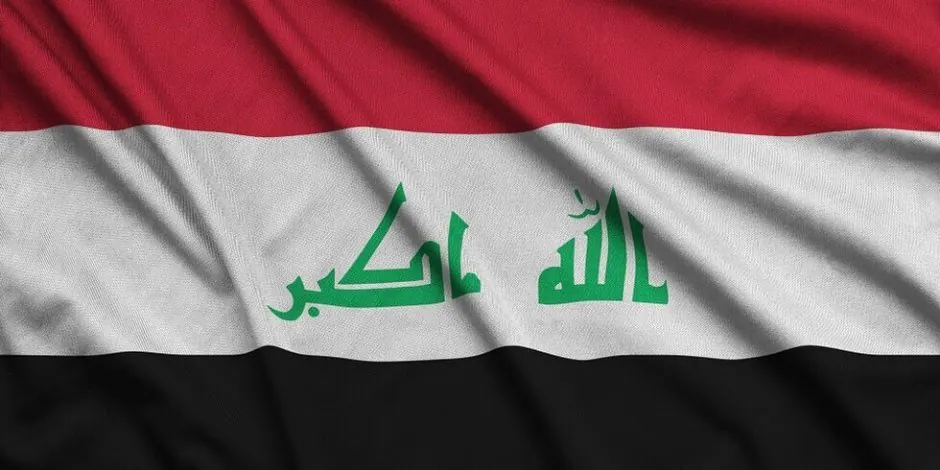
Iraq has marked a significant milestone with the conclusion of the international coalition's mission, which began 12 years ago. According to Qasim Al-Araji, National Security Adviser to Iraqi Prime Minister Ali Al-Zaid, this development signifies a new phase in Iraq's security landscape. The transition to bilateral relations with coalition countries aims to bolster Iraq's sovereignty and serve its national interests. This move is a culmination of negotiations and understandings initiated on July 22, 2021.
The international coalition, led by the United States, commenced operations in Iraq in 2014 following the Islamic State's (ISIS) takeover of large areas of the country. The coalition provided critical support to Iraqi forces in areas such as airstrikes, training, advising, and intelligence. By 2017, Iraq declared ISIS militarily defeated. Al-Araji emphasized that the end of the coalition's mission does not signify the end of partnership but rather a shift towards bilateral relations, ensuring continued cooperation in security, intelligence, and capacity building.
Al-Araji expressed Iraq's appreciation for the coalition's role, particularly in supporting Iraqi forces against ISIS. He highlighted that the victory over ISIS was achieved through the sacrifices of Iraqis and their armed forces, complemented by the coalition's and friendly countries' support. The transition to bilateral relations is expected to be based on mutual respect and shared interests, enhancing security, stability, and development efforts in Iraq.
The decision to conclude the coalition's mission follows extensive negotiations between Baghdad and Washington. The two parties agreed on ending the military presence of the coalition, led by the US, and transitioning to bilateral security relations. This shift is anticipated to strengthen Iraq's security capabilities and foster deeper ties with individual coalition countries.
The new phase in Iraq's security cooperation will focus on mutual interests and respect. Al-Araji noted that this cooperation would include continued security and intelligence collaboration, exchange of information, and expertise. Such efforts are aimed at consolidating peace and stability, supporting reconstruction, and ensuring the country's progress.
The conclusion of the coalition's mission and the transition to bilateral relations have significant implications for Iraq's future. This change is expected to enhance Iraq's sovereignty and allow for more tailored security cooperation with countries that have been part of the coalition. The Iraqi government has expressed its commitment to maintaining strong relationships with coalition countries, based on mutual benefit and respect.
As Iraq embarks on this new security phase, it does so with a focus on self-reliance and strategic partnerships. The country's experience with the international coalition has provided valuable lessons and capabilities. Moving forward, Iraq aims to leverage these assets to address its security challenges effectively and contribute to regional stability.
Key points
- Iraq transitions to bilateral security relations with coalition countries
- The conclusion of the coalition's mission marks a new phase in Iraq's security landscape
- Iraq and coalition countries to cooperate based on mutual respect and interests