Iranian President Masoud Pezeshkian stated that a new plan to reopen the strategic Strait of Hormuz has been proposed and coordinated with Supreme Leader Mojtaba Khamenei. The plan is expected to be implemented without issues if the United States agrees to it. According to Pezeshkian, the proposal aims to restore the free flow of traffic through the strait, a vital waterway for global oil exports.
The Iranian President emphasized that the plan has been developed in coordination with various organizations and institutions, including the military, parliament, and government. A six-member team has been formed to oversee the implementation of the plan. Pezeshkian expressed optimism that the plan will be successful if the US fulfills its obligations.
During his recent visit to New York, Pezeshkian participated in the 81st session of the United Nations General Assembly, where he delivered a speech outlining Iran's stance on various regional and international issues. He also engaged in meetings with several media networks, discussing Iran's positions on key topics.
In a separate statement, Pezeshkian reiterated that Iran does not seek to develop nuclear weapons. He emphasized that the country is willing to allow inspectors from the International Atomic Energy Agency to enter Iran. The President stressed that, even if some individuals within Iran support the development of nuclear weapons, he will not permit it, citing religious and ethical concerns.
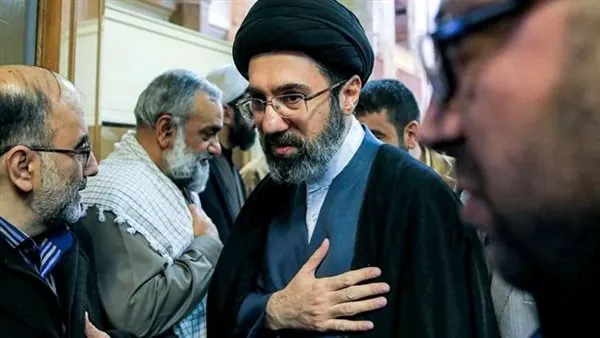
Pezeshkian provided an update on the health of Supreme Leader Mojtaba Khamenei, stating that he is in good health. Khamenei had previously suffered injuries to his face and legs, but has since recovered. The President's comments aimed to dispel any concerns about Khamenei's well-being.
The Iranian President's visit to New York concluded with his departure for Tehran. During his stay, he engaged in various diplomatic activities, including meetings with UN officials and media representatives. Pezeshkian's trip was seen as an opportunity for Iran to reiterate its positions on key issues and engage with the international community.
The proposed plan for the Strait of Hormuz is seen as a significant development in regional geopolitics. The strait is a critical waterway for global oil exports, and any disruptions to traffic can have far-reaching economic and security implications. Iran's announcement has sparked interest among international stakeholders, who are closely watching the developments.
Key points
- Iran's President Masoud Pezeshkian announces a new proposal to reopen the Strait of Hormuz, coordinated with Supreme Leader Mojtaba Khamenei.
- The plan aims to restore the free flow of traffic through the strait, a vital waterway for global oil exports.
- Iran does not seek to develop nuclear weapons, according to President Pezeshkian.