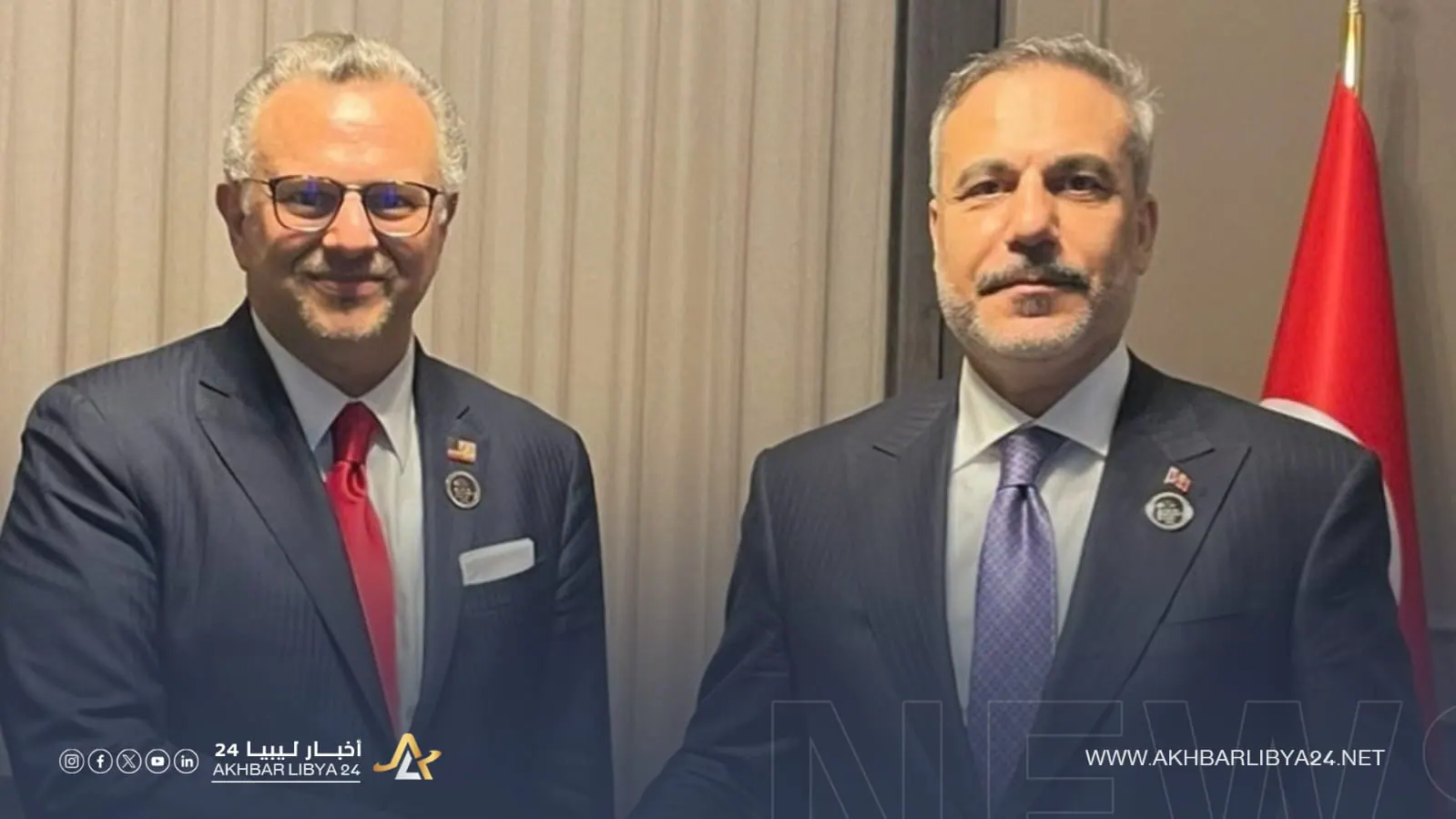
US President's senior adviser for Arab and African affairs, Masood Pulus, met with Turkish Foreign Minister Hakan Fidan to discuss boosting Libya's political process. They focused on unifying institutions and supporting a Libyan-led path to a unified government and national elections. Pulus shared the meeting's content on social media, highlighting Turkey's crucial role in efforts to support stability, unity, and prosperity in Libya.
The talks between Pulus and Fidan are part of ongoing diplomatic efforts regarding Libya's political future. This comes as the international community seeks to capitalize on current momentum to push Libya towards stability. Pulus emphasized that Turkey remains a vital partner in these efforts. The discussions reflect a shared interest in promoting a unified and stable Libya.
Pulus previously stated that the US initiative for Libya does not aim to hand power to a specific group. He rejected characterizing it as a deal between elites, saying it is based on a "full partnership." The goal, he explained, is to drive a political process leading to unified institutions and elections. This vision for Libya's future has been publicly endorsed by various stakeholders.
Reports suggest that proposed arrangements include integrating Libya's rival authorities, with Abdul Hamid Dbeibeh as prime minister and Sadam Hifter as president of the presidential council. However, some details remain undecided. Different perspectives have emerged on potential roles for certain figures and institutions, given that a final, binding agreement has not been announced.
Pulus also met with Libyan Presidential Council head Mohamed al-Menfi to discuss developments in the country's political landscape. They focused on efforts to end division, unify state institutions, and create conditions for presidential and legislative elections. Both sides stressed the importance of converting existing understandings into a national, actionable plan leading to unified institutions and comprehensive elections.
The US-Turkish talks reflect continued American consultation with regional parties regarding Libya's path forward. While elections and institutional unity are stated objectives, implementation details and timing remain subjects of discussion among concerned parties. Libya's ongoing divisions mean that achieving concrete agreements will require further negotiation.
The ongoing diplomatic engagement highlights the complexities of promoting peace and stability in Libya. External actors, including the US and Turkey, are working to support a Libyan-led solution. Key challenges include addressing existing power dynamics and reaching consensus on the structure of future institutions. Libya's international partners are emphasizing the importance of an inclusive and sustainable political process.
Key points
- US and Turkish officials discuss ways to unify Libyan institutions and support national elections.
- The US initiative for Libya aims to drive a political process leading to unified institutions and elections.
- Proposed arrangements include integrating Libya's rival authorities, with Abdul Hamid Dbeibeh as prime minister and Sadam Hifter as president of the presidential council.