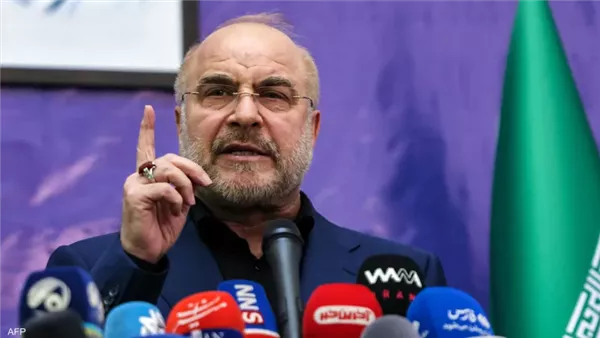
Iranian Parliament Speaker Mohammad Bagher Ghalibaf stated on Sunday, October 4, 2026, that the Strait of Hormuz will not reopen unless Tehran's seven conditions, outlined in a provisional agreement with the United States in June, are fulfilled. This announcement comes days after Iran received the US response to its diplomatic proposal. Ghalibaf emphasized that the current situation marks a departure from previous tactics.
According to Ghalibaf, the United States has been presenting different messages through media and proposing terms through intermediaries. However, he stressed that Iran will no longer tolerate delays and unilateral demands. The Iranian parliament speaker made it clear that Tehran's stance is firm and resolute. He also referenced a memorandum of understanding between Iran and the US, signed in Islamabad.
The seven conditions Iran is demanding are tied to the memorandum of understanding. Ghalibaf reiterated that the Strait of Hormuz will remain closed until these conditions are met. This development has significant implications for global oil supplies, as the Strait of Hormuz is a critical waterway for oil exports. Iran's firm stance is likely to escalate tensions with the US.
The Iranian parliament speaker's comments reflect a hardening of Tehran's position in negotiations with Washington. The US response to Iran's proposal is seen as a crucial step in reviving stalled nuclear talks. However, Ghalibaf's remarks suggest that Iran is unwilling to compromise on its core demands. The situation remains fluid, with both sides dug in.
The Strait of Hormuz has been a point of contention between Iran and the US for years. In 2019, Iran seized several oil tankers in the strait, leading to a significant escalation in tensions. The current impasse has raised concerns about the potential for further conflict in the region. Diplomatic efforts to resolve the issue are ongoing.
Ghalibaf's statement has sparked international interest, with many analysts speculating about the potential consequences of a prolonged standoff. The Iranian parliament speaker's comments have also drawn attention to the domestic politics of Iran, where hardline factions have been critical of any concessions to the US. Tehran's stance is likely to have far-reaching implications.
The situation surrounding the Strait of Hormuz remains uncertain, with no clear resolution in sight. Iran's conditions for reopening the strait are clear, but it remains to be seen whether the US will be willing to meet them. The international community is watching closely, as the consequences of a prolonged standoff could be severe.
Key points
- The Strait of Hormuz will remain closed until Iran's seven conditions are met.