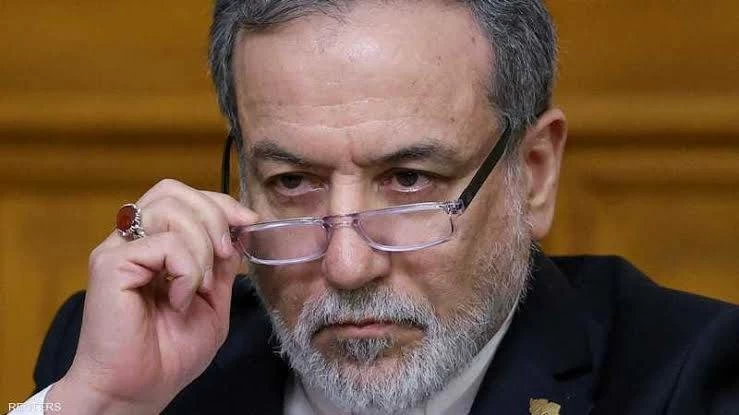
Iranian Foreign Minister Abbas Araghchi arrived in New York to participate in the United Nations General Assembly, stating that his visit aims to defend Iran's rights and interests. He emphasized that the UN is the largest international gathering, but its success in achieving its goals of establishing peace, security, and justice is a topic of debate. Araghchi's visit comes after the "savage war" waged by the US and Israel against Iran, which he claims has resulted in an ongoing state of war.
Araghchi expressed that the UN has become a platform for countries to present their positions and messages to the world. He stated that Iran uses this opportunity to express its stance on its rights and to defend the rights of the Iranian people. This year, Araghchi noted that the platform will be used to highlight the "oppression" of the Iranian people, particularly in reference to the victims of the attack on the Minoo school and the late Iranian leader Ali Khamenei.
The Iranian Foreign Minister highlighted that the theme of this year's General Assembly is to restore trust in the UN, which he believes has been lost due to the organization's inability to establish global peace and security. Araghchi attributed this loss of trust to certain countries that consider themselves above international law and the collective human conscience, citing the Israeli-Palestinian conflict as an example.
Araghchi criticized countries that turn a blind eye to crimes committed against Palestinians, Gazans, and Lebanese, while quickly condemning minor issues in countries like Iran. He specifically mentioned the 168 children killed in a single attack on the Minoo school, which was carried out using American missiles. The Iranian Foreign Minister expressed disappointment that Western and European countries, which claim to champion human rights, have not issued even a simple condemnation of these crimes.
During his visit, Araghchi plans to deliver a speech and engage in meetings with intellectuals, media personalities, and Iranian and foreign thinkers. He noted that last year, Iranian President Masoud Pezeshkian used the General Assembly to shed light on the crimes committed during the "12-day war." This year, Araghchi emphasized that Iran's situation is more critical, and Pezeshkian will deliver a speech.
Araghchi's comments reflect Iran's skepticism about the effectiveness of the UN in addressing global issues. He argued that certain countries, which consider themselves and their allies immune to accountability, have contributed to the erosion of trust in the UN. The Iranian Foreign Minister's statements also underscore the deep-seated tensions between Iran and Western countries, particularly the US and Israel.
The UN General Assembly serves as a critical platform for countries to engage in diplomatic efforts and address pressing global issues. Araghchi's participation in the Assembly and his criticisms of the UN's performance reflect Iran's ongoing efforts to assert its position on the international stage. The Iranian Foreign Minister's visit to New York comes at a time of heightened tensions between Iran and Western countries, with the US and Israel being key adversaries.
Key points
- Iran's Foreign Minister Abbas Araghchi criticizes the UN's failure to establish global peace and security, leading to a loss of credibility.
- Araghchi cites the Israeli-Palestinian conflict as an example of the UN's ineffectiveness in addressing human rights abuses.
- Iran plans to use the UN General Assembly to highlight its grievances and defend its rights.