A recent analysis by the Associated Press has found that Iranian attacks on over 20 US military bases in the Middle East have resulted in significant damage to equipment worth billions of dollars. The attacks, which were carried out using drones and missiles, targeted early warning systems, aircraft, and buildings, causing substantial damage to 26 military bases and other sites with US equipment. According to the report, which was based on satellite imagery and statements from four regional officials, the attacks have led to a fundamental change in the US military presence in the region.
The Iranian attacks, which began in late February, focused on targeting US aircraft hangars and early warning systems, paving the way for further attacks on warehouses, troop accommodations, and other facilities. The analysis revealed that most of the attacks occurred in Kuwait, with other US sites targeted in Bahrain, Iraq, Jordan, Oman, Qatar, Saudi Arabia, and the UAE. The most devastating attack on US forces during the war with Iran occurred in Kuwait, where six soldiers were killed in a drone attack on the port of Shuaiba on March 1.
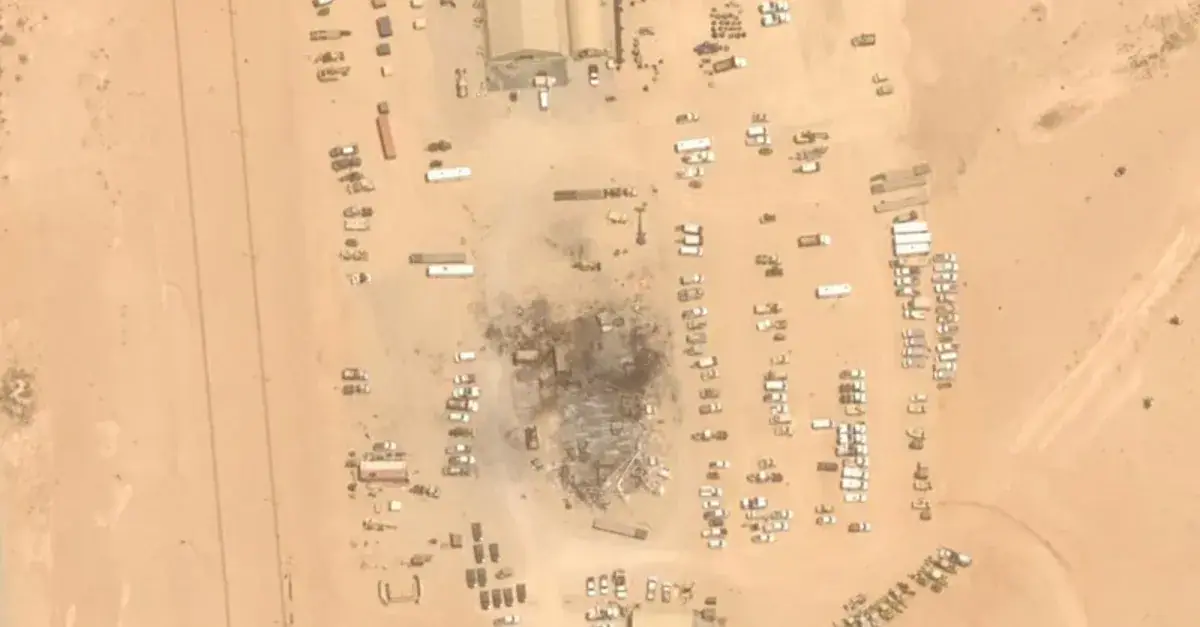
The analysis showed that the US military base at Ali Al-Salem Air Base in Kuwait was hit at least 30 times, resulting in significant damage to at least 15 aircraft hangars and destruction of several warehouses and 10 buildings near a residential area. The camp Bohrring base in Kuwait also suffered significant losses, with attacks destroying the gym, a store selling troops' supplies, and causing severe damage to the garage and dining room. According to regional officials, the attacks have disrupted most of the base's aircraft hangars and caused significant damage to areas where troops are stationed.
Iran's strategy focused on targeting the backbone of the US air defense system by attacking early warning radars, which are difficult to repair or replace and are extremely costly. A advanced radar was attacked in Jordan and reportedly destroyed, one of only 13 such radars owned by the US military worldwide. The radar, manufactured by Raytheon, was estimated to cost around $500 million. Another radar in Qatar suffered significant damage, but it is unclear if it was destroyed.
After targeting the radars, Iran launched over 50 successful attacks on US military equipment at 18 sites during the first month of the war, prioritizing areas with aircraft. The attacks damaged fueling aircraft, communication systems, fuel depots, and troop accommodations at various military bases. In March, an Iranian attack on Prince Sultan Air Base damaged the rear of a Boeing E-3 Sentry reconnaissance plane, while another attack targeted a unit affiliated with the US Central Intelligence Agency (CIA) at the US Embassy in Riyadh.
According to a report by the Congressional Research Service, updated in October, 15 US aircraft were damaged at regional bases. The analysis also revealed that the Al Dhafra Air Base, located about 32 kilometers south of Abu Dhabi, was hit repeatedly at the start of the war, resulting in damage to infrastructure, such as aircraft hangars and other facilities, as well as equipment like early warning radars and reconnaissance drones.
The US military has stated that its forces and bases are well-protected, and that the military is stronger than ever. However, the scale of the damage has raised questions about the US military's defensive capabilities in the region, and whether the US will choose to rebuild its bases and equipment in the region after the war. The Iranian attacks have resulted in significant losses for the US military, with the full extent of the damage still unclear.
Key points
- Iranian attacks have caused significant damage to US military equipment and facilities in 26 bases across the region.
- The attacks targeted early warning systems, aircraft, and buildings, causing substantial damage worth billions of dollars.
- The US military presence in the region has been fundamentally changed as a result of the Iranian attacks.