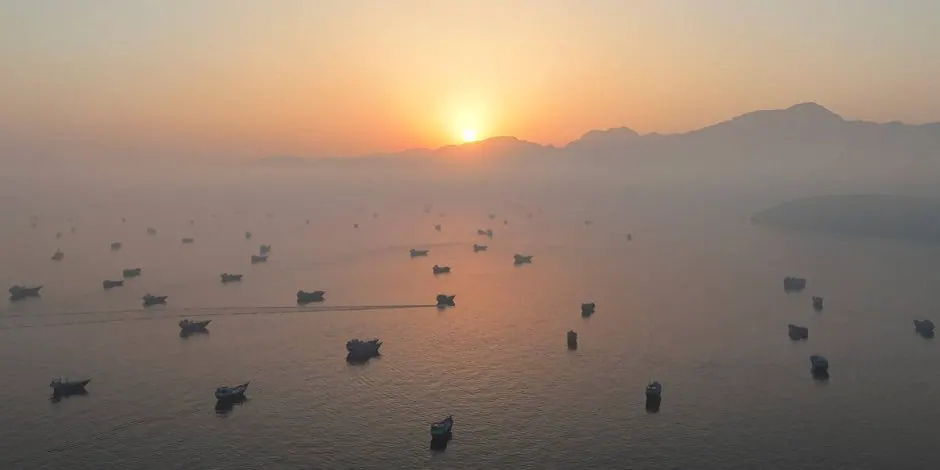
The Iranian Parliament is set to implement a new law aimed at ensuring national security and progress, which includes a plan to control and monitor the Strait of Hormuz. According to Hassan Qashqavi, the plan will prioritize Iran's national security and interests, allowing the country to exercise control over the entrance and exit points of the strategic waterway. This move is seen as a significant development in the region.
Under the new law, ships from Israel and hostile countries, as well as those participating in military operations against Iran or transporting military cargo, will be prohibited from crossing the Strait of Hormuz. Qashqavi emphasized that other ships from non-hostile countries will need to obtain a permit from the General Staff of the Armed Forces in accordance with the specified criteria. This measure is expected to have a significant impact on maritime traffic in the region.
Iran has been actively involved in the region, with reports indicating that it has carried out around 30 drone attacks and 10 anti-ship missile attacks on commercial vessels passing through the Strait of Hormuz since early August. According to sources, at least four commercial ships have been targeted in the past ten days. These developments have raised concerns about the security of maritime trade in the region.
The situation has led to a significant shift in export routes, with many opting to avoid the Strait of Hormuz altogether. Data from the shipping analytics firm Kpler suggests that a substantial portion of the increase in regional exports is due to this shift. Meanwhile, maritime traffic data from Marine Traffic shows that the movement of ships through the Strait of Hormuz came to a halt on Thursday night and remained suspended until the following day.
The Iranian Parliament's National Security Committee is pushing forward with the new law, which aims to guarantee Iran's ability to exercise control over the Strait of Hormuz. Qashqavi stressed that the plan is part of a broader strategy to ensure sustainable progress and security. The development has significant implications for regional security and global trade.
The Strait of Hormuz is a critical waterway for international trade, with a significant portion of the world's oil exports passing through it. The Iranian government's move to assert control over the strait has raised concerns about the potential for disruption to global trade and the impact on regional stability. The international community is closely watching the developments in the region.
Key points
- Iran plans to ban ships from Israel and hostile nations from crossing the Strait of Hormuz.
- The Iranian Parliament's new law aims to ensure national security and progress.
- The Strait of Hormuz is a critical waterway for international trade, with a significant portion of the world's oil exports passing through it.