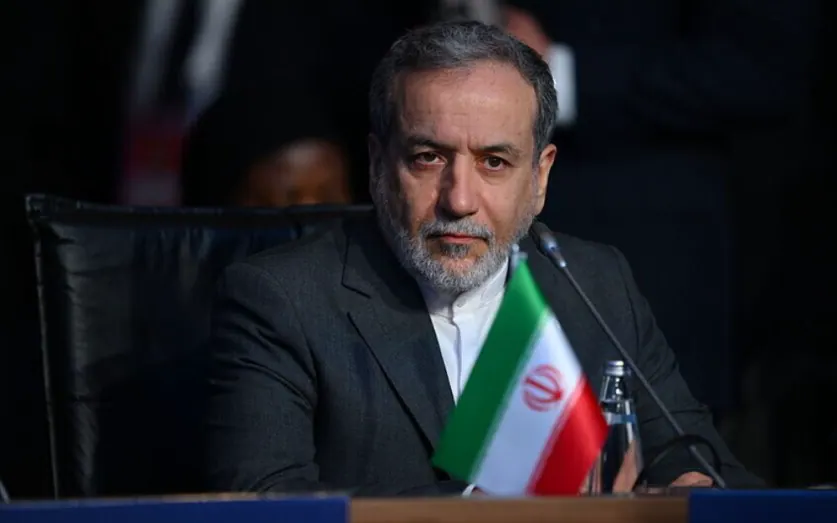
Iranian Foreign Minister Abbas Araghchi stated on Sunday that Iran will not back down from its conditions for reopening the Strait of Hormuz. The strait, a critical waterway for global oil exports, has been a point of contention between Iran and the United States. Araghchi emphasized that any movement to reopen the strait depends on meeting these conditions, which he described as clear and unwavering.
The conditions for reopening the Strait of Hormuz were proposed by Iran as part of a deal with the United States. According to Araghchi, Iran's proposal includes a seven-day timeline for reopening the strait upon agreement. The Iranian government has made it clear that it is open to negotiations but will not compromise on its rights. Araghchi also mentioned that Tehran has been informed of the initial US response but has not received an official stance through intermediaries.
US President Donald Trump announced on Saturday that he rejects Iran's proposal. Trump expressed his preference for negotiating a deal that would allow the strait to reopen, citing the significant amount of oil that passes through it. He also mentioned that the US is interested in making deals but will not accept terms that are unfavorable. In a post on social media, Trump shared a map of the Strait of Hormuz labeled as "Trump Strait."
The Strait of Hormuz has been a focal point in the conflict between the US and Iran since the war began with US-Israeli strikes on Iran in late February. Iran responded by effectively closing the strait, prompting the US to impose a blockade on Iranian ports. The situation escalated after a previous agreement aimed at resolving the conflict and reopening the strait failed due to disagreements over navigation terms.
Araghchi noted that Iran's proposal was prepared in coordination with Supreme Leader Ali Khamenei and that a six-person committee was formed to make decisions on the matter. The Iranian government remains committed to finding a diplomatic solution but insists on its conditions being met. The international community is closely watching the developments, given the strait's significance to global oil supplies.
The rejection by Trump and Iran's firm stance have raised concerns about the potential for further escalation. The US and Iran have a history of tense negotiations, and the current impasse suggests that a resolution may be challenging to achieve. Araghchi emphasized that Iran has not closed the door to diplomacy but will not compromise on its core demands.
The situation surrounding the Strait of Hormuz remains volatile, with global implications for oil markets and international relations. Iran's insistence on its conditions and the US rejection underscore the complexities of the conflict. Key points include Iran's commitment to its conditions, the US rejection of Iran's proposal, and the potential for further escalation in the region.
Key points
- Iran will not back down from its conditions for reopening the Strait of Hormuz.
- The US has rejected Iran's proposal for reopening the strait.
- The situation remains volatile with implications for global oil supplies and international relations.