Iranian Foreign Minister Abbas Araghchi met with US envoy Steve Biegun on the sidelines of the United Nations General Assembly. According to Iranian television, Araghchi informed Biegun of Tehran's conditions for reopening the Strait of Hormuz. The conditions include the immediate lifting of the naval blockade, release of frozen Iranian funds, and an end to the war on all fronts of resistance.
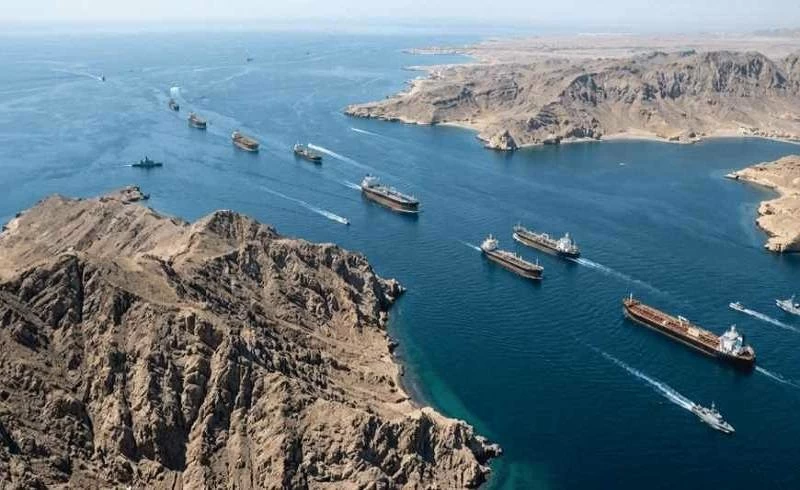
The meeting between Araghchi and Biegun took place amidst heightened attention to communications between the two sides. The Strait of Hormuz is a critical waterway for global oil shipments, and its closure has significant implications for the international community. Iran's conditions for reopening the strait have been a point of contention in recent diplomatic efforts.
The naval blockade and frozen funds have been longstanding points of dispute between Iran and the United States. The blockade has restricted Iran's naval capabilities, while the frozen funds have limited the country's access to its financial resources. Iran's demand for an end to the war on all fronts of resistance also reflects its concerns about regional security.
The United Nations General Assembly provides a platform for diplomatic engagement between nations. The meeting between Araghchi and Biegun reflects ongoing efforts to address key issues between Iran and the United States. However, significant gaps in their positions remain, and a resolution to the dispute over the Strait of Hormuz remains uncertain.
The Strait of Hormuz has been a focal point in regional tensions, with Iran threatening to close the waterway in response to US sanctions and naval presence. The international community has a vested interest in ensuring the strait's stability, given its importance for global oil supplies. Diplomatic efforts to resolve the dispute are ongoing, with multiple parties involved.
Iran's conditions for reopening the Strait of Hormuz reflect its broader concerns about regional security and economic sanctions. The country's leaders have consistently emphasized the need for a negotiated resolution to the dispute, while also asserting their right to defend national interests. The international community remains engaged in efforts to find a peaceful solution.
The situation surrounding the Strait of Hormuz remains fluid, with ongoing diplomatic efforts to resolve the dispute. Key developments, including changes in US policy or Iranian positions, could impact the trajectory of the situation. The international community continues to monitor the situation closely, given the strait's significance for global energy security.
Key points
- Iran demands the lifting of the naval blockade as a condition for reopening the Strait of Hormuz.
- Frozen Iranian funds are another key issue in the dispute over the Strait of Hormuz.
- Iran also seeks an end to the war on all fronts of resistance as a condition for reopening the strait.