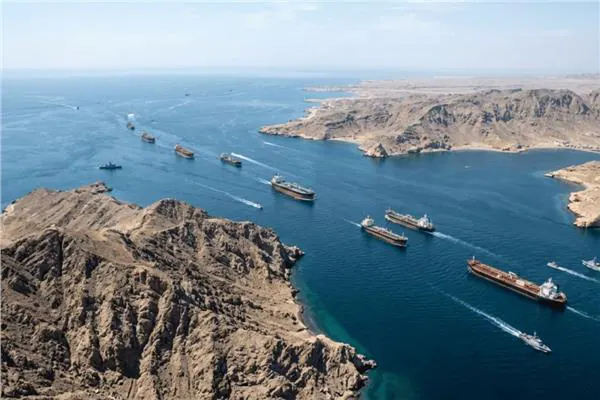
The Iranian Strait of Hormuz Authority has announced that vessels using unauthorized routes within the strait will face future restrictions. According to a report by Al Akhbar, the authority emphasized that adherence to designated routes will be a key aspect of regulating ship traffic. The move aims to ensure safe and efficient navigation through the vital waterway. The authority did not specify the nature of the restrictions but warned that non-compliant ships may face consequences in the coming period.
The announcement comes amid ongoing tensions in the region. Iran's relations with Western countries, particularly the United States, have been strained in recent years. The Strait of Hormuz, a critical passage for global oil exports, has been a focal point of these tensions. Any disruption to shipping through the strait could have significant implications for the global economy. The authority's statement underscores Iran's determination to assert its control over the waterway.
In a related development, US President Donald Trump revealed that he had rejected a new proposal from Iran to halt hostilities and reopen the Strait of Hormuz. According to Trump, the Iranian proposal aimed to secure an agreement that would allow the reopening of the strait, which has been impacted by the conflict in the Middle East. Trump expressed skepticism about the proposal, stating that Iran wants to negotiate an agreement that would enable it to resume oil exports.
The conflict in the Middle East has had a significant impact on the region's maritime security. The Strait of Hormuz has been a critical front in the tensions between Iran and Western countries. The waterway is a vital passage for oil exports, with significant volumes of crude oil transiting the strait daily. Any disruption to shipping through the strait could have far-reaching consequences for the global economy.
Iranian officials have emphasized that the reopening of the Strait of Hormuz is contingent upon the fulfillment of certain conditions. According to Iraq's Foreign Minister, the Iranian side is waiting for a final response from Washington regarding the proposed agreement. The Iranian position underscores the complexities of the negotiations and the challenges of resolving the conflict in the region.
The Strait of Hormuz Authority's announcement has significant implications for shipping companies and global trade. The authority's emphasis on adherence to designated routes highlights the importance of maritime safety and security in the region. The restrictions on non-compliant ships are likely to be closely watched by the international community, particularly in light of the ongoing tensions between Iran and Western countries.
The situation in the Strait of Hormuz remains fluid, with multiple factors influencing the security landscape. The Iranian announcement and the rejected proposal from Iran underscore the complexities of the conflict and the challenges of finding a resolution. As the situation continues to evolve, the international community will be closely monitoring developments in the region, particularly with regard to the safety and security of maritime trade.
Key points
- Iran's Strait of Hormuz Authority will impose future restrictions on ships that use unauthorized routes within the strategic waterway.