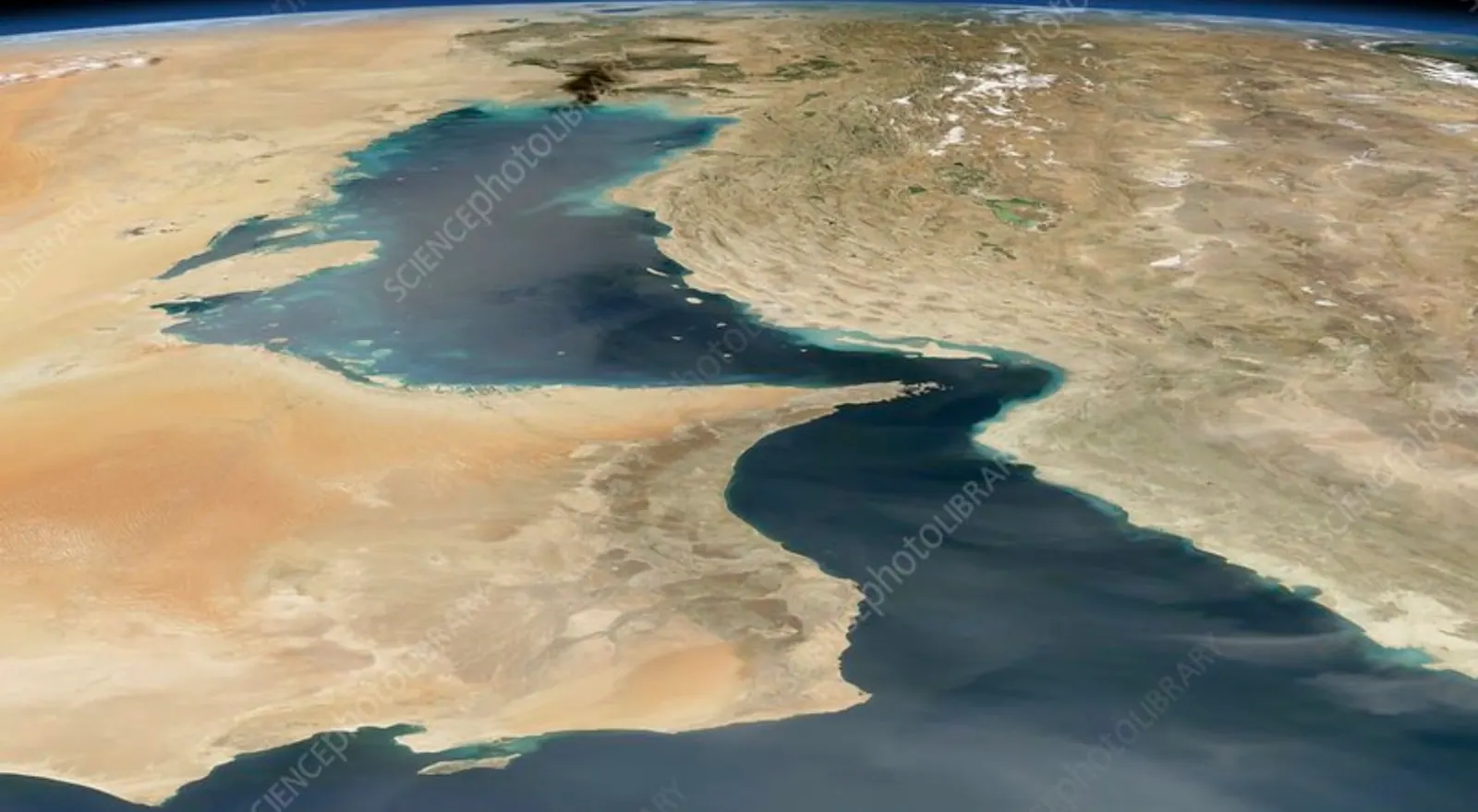
Iran's Parliament Speaker Mohammad Bagher Ghalibaf stated on Sunday that the Strait of Hormuz will remain closed until the US fulfills its obligations to Iran. This stance reflects Iran's continued firmness regarding one of the world's most critical waterways for energy. Ghalibaf emphasized that Iran must combine fighting and negotiating, using military force to deter enemies and diplomacy to solidify gains.
Ghalibaf's comments come amid ongoing tensions between Iran and the US, with the Strait of Hormuz at the center of the confrontation. Data shows that the movement of goods through the strait has been significantly lower than usual due to security concerns related to the war and military tensions. Iran ties the reopening of the strait to achieving political, security, and economic conditions.
Iran's Supreme National Security Council Secretary Mohsen Rezaei announced on Saturday that Iran has informed mediators of its conditions for resuming negotiations to end the war with the US. These conditions include ending the war on all fronts, lifting the freeze on Iranian funds, and ending the naval blockade imposed on Tehran. Rezaei stated that communications with Qatari and Pakistani mediators are ongoing.
Rezaei's comments, along with Ghalibaf's, reveal a clear link between Iran's military and diplomatic paths. Iran does not see negotiation as separate from field developments. Ghalibaf stressed that Iran must fight and negotiate simultaneously, using military force to deter adversaries and then employing diplomacy to consolidate gains.
These statements come as regional parties seek to keep communication channels open between Washington and Tehran, amid international concerns that continued escalation could lead to further disruptions in trade and energy routes. Recently, Rezaei mentioned that Iran tested an anti-ship missile near a US aircraft carrier.
The conditions announced by Iran place the war and negotiation file before a set of interconnected demands, starting with stopping military operations on various fronts, extending to frozen Iranian funds and the naval blockade, and reaching the issue of navigation in the Strait of Hormuz. Meanwhile, US and Iranian positions on resuming negotiations remain apart.
The Strait of Hormuz's importance extends beyond the Iranian-American confrontation, as it represents a key passage for global energy shipments. Any prolonged disturbance in navigation through the strait affects oil and gas markets, transportation costs, and insurance. The number of ships crossing the strait has dropped sharply compared to pre-war rates.
Key points
- The Strait of Hormuz will remain closed until the US fulfills Iran's conditions.
- Iran's conditions for resuming negotiations include ending the war and lifting the freeze on Iranian funds.
- The situation in the Strait of Hormuz is linked to the broader confrontation between Iran and the US.