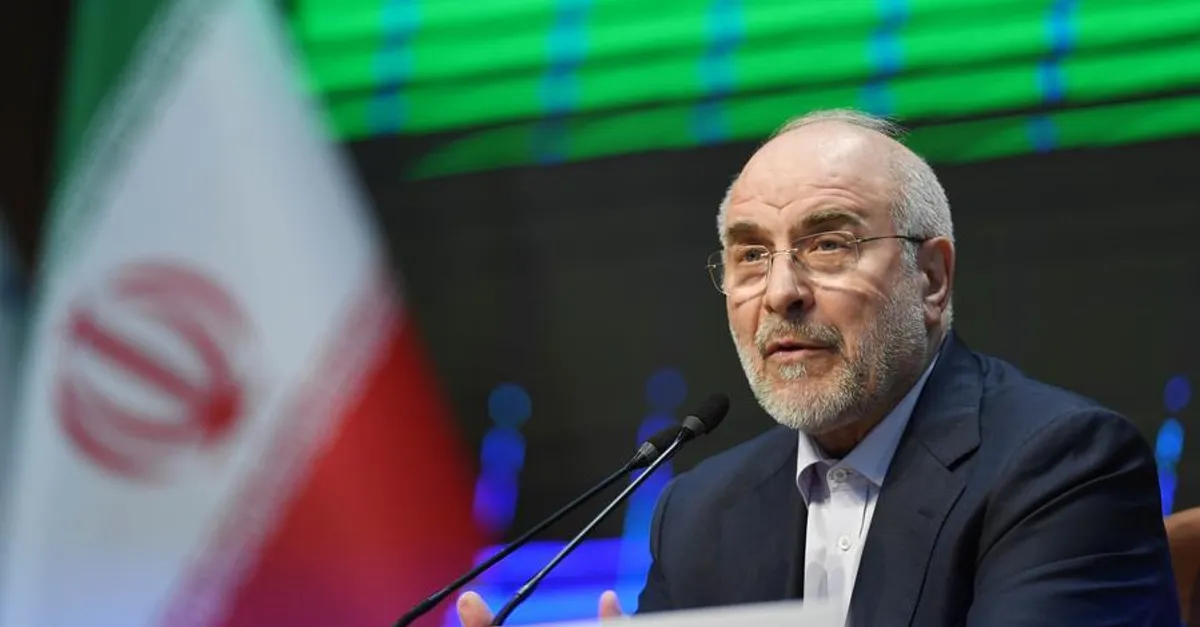
Iranian Parliament Speaker Mohammad Bagher Ghalibaf stated on Sunday that the Strait of Hormuz will not reopen until Iran's conditions are met, and the country receives recognition for its legitimate rights. He made these remarks during a speech at a session of the Islamic Consultative Assembly, coinciding with the reopening of schools and the start of "Sacred Defense Week". Ghalibaf emphasized that Iran is entering a new phase of resistance.
According to Ghalibaf, Iran's experience in war has strengthened the nation's self-confidence and independence. He believes that the current resistance movement not only ensures Iran's security but also contributes to shaping a new regional and international system, opening up new economic and strategic prospects. The Iranian Parliament Speaker's comments come amid heightened tensions between Iran and Western countries.
Ghalibaf warned against two strategic mistakes that Iran should avoid: calling for war without a clear objective or mechanism for achieving goals, and downplaying Iran's national strength, which could lead to accepting the conditions of the other party. He stressed that Iran sees no contradiction between war and diplomacy, emphasizing the need for a rational and decisive approach to both.
The Iranian Parliament Speaker highlighted that his country's stance on diplomacy is clear, rational, and non-negotiable. He noted that Tehran's messages and conditions have been conveyed to the other party through mediators, and that returning to previous negotiation terms is no longer possible. Ghalibaf reiterated that the Strait of Hormuz will remain closed until Iran's conditions are met.
Ghalibaf also commented on the US's position in West Asia, stating that the "old American system" has collapsed. He called on Islamic countries in the region to work towards establishing a new system. The Iranian Parliament Speaker emphasized that the region's future will not be determined by begging, but by rationality, courage, and resistance.
The tensions between Iran and Western countries, particularly the US, have been escalating since February 28, when Israel and the US launched joint attacks on Tehran and other Iranian cities. Iran responded with waves of missile and drone attacks targeting Israel and US assets in the region, restricting navigation through the Strait of Hormuz.
A memorandum of understanding was signed on June 18 between the US and Iran to end the war in the region on all fronts. However, the fate of the talks remains uncertain following a series of recent escalations between the two countries. The negotiations were supposed to continue for 60 days, but the outcome is still unclear.
Key points
- The Strait of Hormuz will remain closed until Iran's conditions are met and its legitimate rights are recognized.