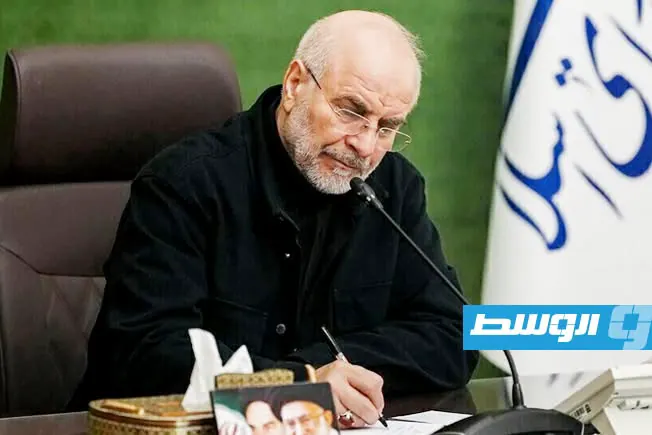
Iranian Parliament Speaker Mohammad Bagher Ghalibaf stated on Sunday that the Hormuz Strait will not be reopened until Iran's seven conditions are fulfilled. These conditions are part of a provisional agreement with the United States, reached in June. Ghalibaf's comments come days after Iran received the US response to its diplomatic proposal. According to Ghalibaf, the US has been making contradictory statements, and it's time for them to understand that the era of procrastination and unilateral demands has ended.
Ghalibaf emphasized that Iran's stance is clear and firm, and the country will not back down from its demands. The seven conditions are based on a memorandum of understanding signed in Islamabad. The speaker's remarks were reported by the Noor News website. Meanwhile, the US has been engaging in secret discussions about potential military and political actions against Iran. A meeting was held at Camp David, where senior US officials, including Vice President JD Vance, discussed the conflict with Iran and the situation in Yemen.
The meeting at Camp David was the first of its kind since June 2025, when Israel launched a 12-day war against Iran. The discussions focused on evaluating military and political options related to the stalled conflict with Iran. The US has been increasing its military presence in the region, and President Donald Trump has hinted at resuming military operations. The Saudis have also been pressing the US to participate in airstrikes against the Houthis in Yemen.
The situation in the region remains tense, with multiple conflicts and diplomatic efforts underway. Iran's conditions for reopening the Hormuz Strait are a major point of contention. The strait is a critical waterway for global oil shipments, and its closure has significant economic implications. Ghalibaf's comments suggest that Iran is unlikely to compromise on its demands.
The US response to Iran's diplomatic proposal has been met with skepticism. Iran's Foreign Minister has stated that a military solution or sanctions will not end the conflict. The situation is further complicated by the ongoing conflict in Yemen and the presence of US military forces in the region.
The international community is closely watching the developments in the region. The conflict between Iran and the US has significant implications for global security and the economy. Diplomatic efforts are underway to de-escalate tensions, but a resolution appears elusive. Ghalibaf's comments suggest that Iran is prepared to maintain its stance on the Hormuz Strait.
The Hormuz Strait has been a point of contention between Iran and the US for several years. The strait's closure would have significant economic implications, and its reopening is crucial for global oil shipments. The situation remains uncertain, with multiple scenarios possible. Ghalibaf's comments suggest that Iran is committed to its conditions, and a resolution will require significant concessions from the US.
Key points
- Iran's Parliament Speaker Mohammad Bagher Ghalibaf says the Hormuz Strait will remain closed until seven Iranian conditions are met.