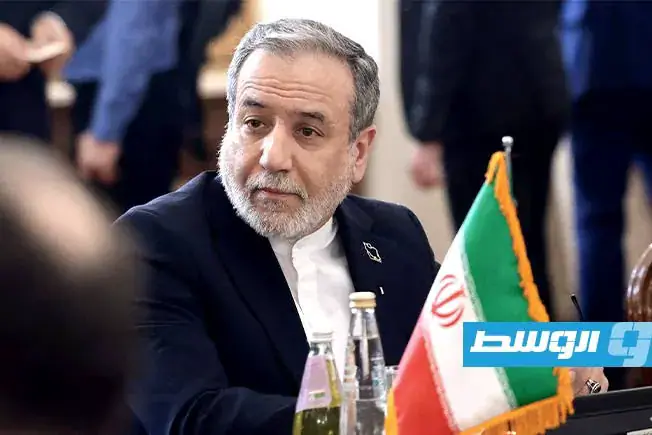
Iranian Foreign Minister Abbas Araghchi stated that Israel's accusations against Iran of developing chemical weapons are aimed at deceiving the United States and provoking it into starting a new war. Araghchi emphasized that Iran, as a signatory to the Nuclear Non-Proliferation Treaty and a member of the Chemical Weapons Convention, would not engage in such activities. He expressed concern that these allegations could put Iranian patients at risk and make them a target.
Israeli Defense Minister Yisrael Katz made the accusations against Iran on Tuesday, claiming that Tehran is working on producing chemical weapons. In response, Araghchi argued that the real intention behind these allegations is to mislead the US and potentially lead to another conflict. He also pointed out the hypocrisy in Israel's stance, given its own history with chemical and nuclear weapons.
Iranian Vice President Mohammad-Reza Aref addressed the issue of the US naval blockade imposed on Iranian ports, stating that the country is not concerned about the blockade and that its strategic reserves remain strong. Aref highlighted that the rate of cargo clearance and customs procedures through southern border crossings has increased, demonstrating Iran's resilience to the blockade.
The US had imposed a naval blockade on Iranian ports in April, which was lifted in June but reinstated in July after the collapse of de-escalation talks between the two countries. US Treasury Secretary Scott Mnuchin has stated that the Iranian economy is heading towards collapse due to high prices, inflation, and fuel shortages.
The Iranian Revolutionary Guard Corps reported that two oil tankers caught fire after hitting mines in the eastern Strait of Hormuz. The incident occurred while the tankers were passing through the strait in the morning, using a route that was not authorized. One of the ships was targeted after disabling its navigation and positioning systems and refusing to comply with maritime traffic instructions.
Iran has threatened to target ships that cross the Strait of Hormuz without permission or use unauthorized navigation routes. The US has stated that it maintains control over the strait and continues to prevent the export of Iranian oil shipments. The commander of the Iranian Armed Forces' General Staff, Ali Abdollahian, emphasized the importance of enhancing the capabilities of the Basij resistance force to strengthen Iran's power and achieve deterrence.
The incident in the Strait of Hormuz and the ongoing tensions between Iran and the US have raised concerns about the potential for conflict in the region. Iran's rejection of Israeli allegations and its emphasis on the strength of its strategic reserves suggest that it is prepared to resist external pressures. The situation remains volatile, with both sides engaging in a war of words and demonstrating their military capabilities.
Key points
- Iran dismisses Israeli claims of developing chemical weapons as an attempt to deceive the US and spark a new war.
- Iranian Vice President Mohammad-Reza Aref says the country is not concerned about the US naval blockade and its strategic reserves remain strong.
- The incident in the Strait of Hormuz has raised concerns about the potential for conflict in the region.