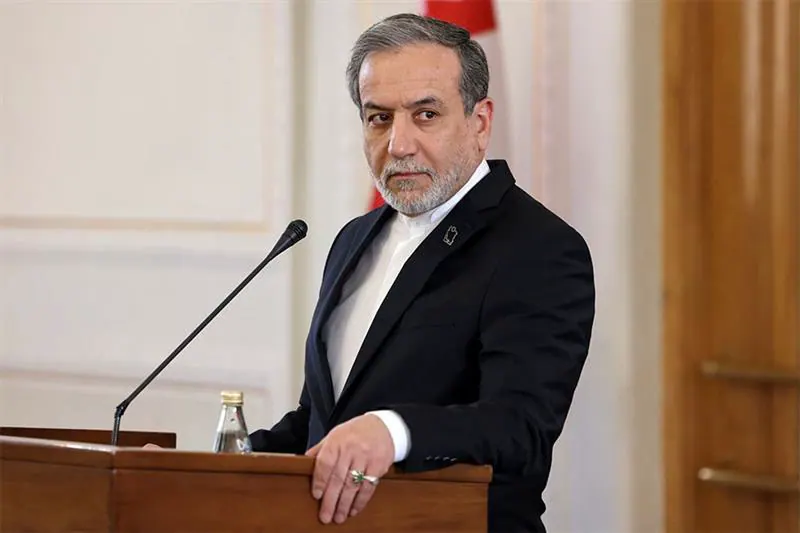
Iranian authorities announced on Wednesday, 30 September 2026, that they have received the official US response to their proposal aimed at ending the conflict in the Middle East. The development was reported by state media, with the government spokeswoman, Fatemeh Mohajerani, stating that the US response was presented to President Masoud Pezeshkian by Foreign Minister Abbas Araghchi during a cabinet meeting.
The Iranian proposal, put forward after seven months of conflict, includes seven conditions for ending hostilities and reopening the strategic Strait of Hormuz, a vital route for oil and gas exports. Although not all conditions have been made public, Iran is demanding a ceasefire across the Middle East, including in Lebanon, the unfreezing of Iranian assets abroad, the lifting of sanctions on its oil sector, and an end to the US naval blockade.
The conflict between the United States and Iran began with US-Israeli strikes on the Islamic Republic in late February. Since then, indirect talks between the two nations resumed last week on the sidelines of the UN General Assembly. US President Donald Trump had previously rejected the Iranian proposal when speaking to the press on Saturday, but Tehran had been awaiting an official response via Qatari mediators.
Despite a subsidence in fighting in recent weeks, Tehran has continued to target ships in the Strait of Hormuz. The Iran's Revolutionary Guards, the ideological arm of the country's military, reported that they have been striking small vessels attempting to pass through the strait. According to Guards spokesperson Hossein Mohebi, they block the passage of these vessels, but the US has not retaliated for a while.
The US has escalated its economic warfare against Iran, imposing sanctions on Iranian airlines and vowing to take a hard stance against foreign companies that provide them with assistance. This move is part of the ongoing tensions between the two nations, with the US seeking to pressure Iran into negotiations.
The Iranian currency has hit a new record low as the war erodes the country's economic stability. In a related development, the US has announced that it will allow Iran pilgrims to fly to the holy city in Iraq. This decision was made known by Iraqi officials, who stated that the US has granted permission for Iranian pilgrims to travel to Iraq.
The conflict in the Middle East has significant implications for regional stability and global security. The exchange of proposals and responses between Iran and the US is a crucial step towards finding a resolution to the conflict. Key developments, including the US response to Iran's proposal and the imposition of sanctions on Iranian airlines, will likely shape the trajectory of the conflict in the coming weeks.
Key points
- Iran receives US response to proposal for ending Middle East war
- US imposes sanctions on Iranian airlines
- Conflict has significant implications for regional stability and global security