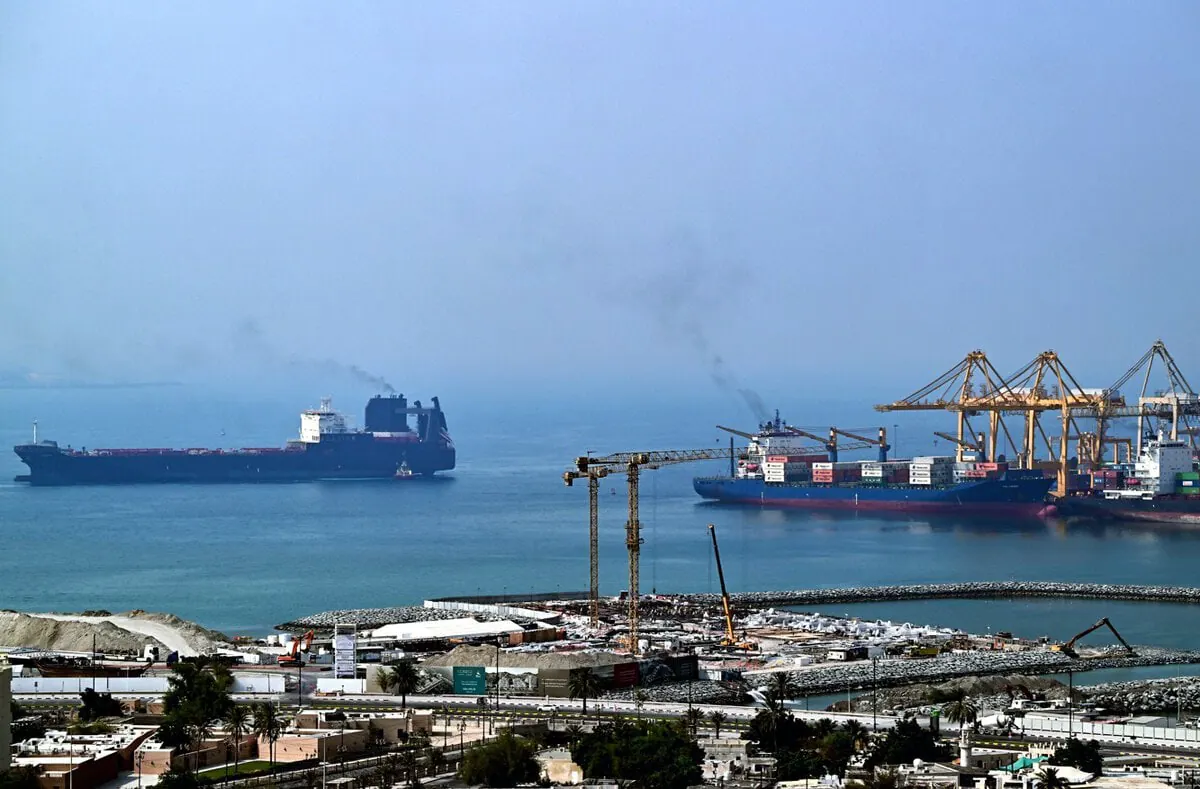
Iranian Foreign Minister Abbas Araghchi has presented a proposal to the United States, outlining conditions for ending the conflict and reopening the Strait of Hormuz within seven days. The proposal was made during Araghchi's attendance at the United Nations General Assembly in New York, where he met with US Special Envoy Steve Witkoff. According to Araghchi, the plan involves a ceasefire in the Middle East, including the end of fighting in Lebanon.
The Iranian proposal requires the US to lift sanctions on Iran's oil industry and release at least $12 billion in frozen assets. Additionally, the US naval blockade on Iran must be ended. In exchange, Iran has agreed to open the Strait of Hormuz to shipping within seven days and engage in talks. Araghchi stated that he is now waiting for a response from the US government. The proposal was first reported by the Japanese news agency Kyodo.
The Iranian government had initially denied reports of the proposal, but Araghchi's comments in New York confirmed that a plan had been presented to the US. This is not the first time Iran has set conditions for ending the conflict and reopening the Strait of Hormuz. According to Iran, the proposal involves seven conditions, including an end to hostilities in Yemen.
The latest diplomatic effort gained momentum during the UN General Assembly in New York. Araghchi met with Witkoff after months of no direct talks between the two countries. The talks were facilitated by mediators, and Araghchi reportedly conveyed Iran's conditions for reopening the Strait of Hormuz to Witkoff.
The US has not yet agreed to Iran's proposal, and Araghchi said he is waiting for a response from Washington. Previous agreements, including a memorandum of understanding signed in June, have failed to hold. The June agreement aimed to end the conflict, reopen the Strait of Hormuz, and begin talks on Iran's nuclear program.
However, the agreement fell apart after Iran attacked commercial ships in the Strait of Hormuz, claiming they had deviated from approved routes. Iran requires ships to obtain permission before transiting the strait, citing security and sovereignty concerns. The US has occasionally bombed Iranian coastal areas in response to attacks.
The conflict has had significant implications for global shipping and regional stability. The Strait of Hormuz is a critical waterway for oil exports, and disruptions have led to increased tensions between the US and Iran. A successful agreement could help ease tensions and establish a framework for further negotiations.
Key points
- Iran's proposal involves a 7-day ceasefire and lifting of US sanctions in exchange for reopening the Strait of Hormuz.
- The proposal requires the US to release at least $12 billion in frozen assets and end the naval blockade on Iran.
- The US has not yet agreed to Iran's proposal, and a response from Washington is pending.