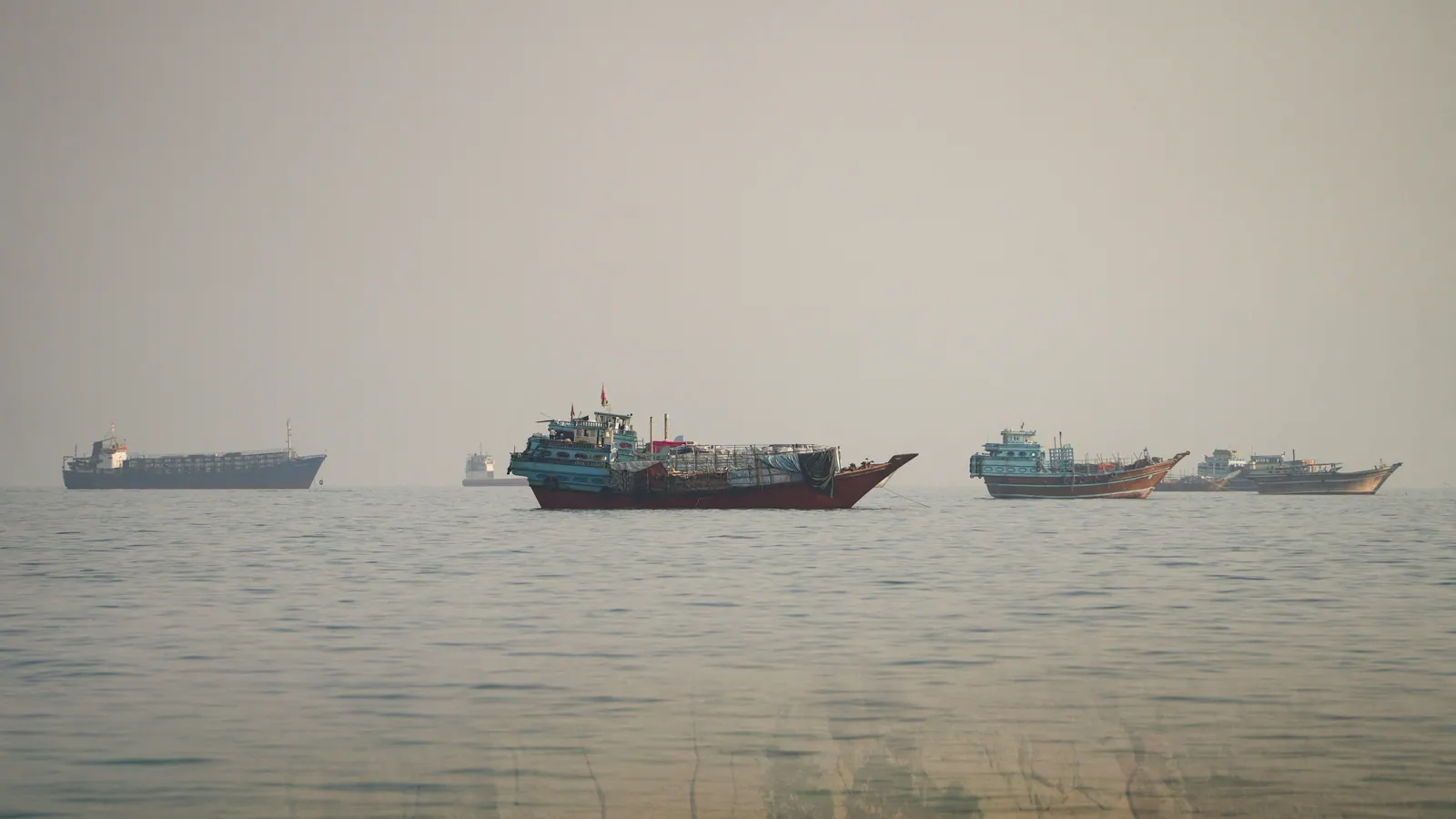
Iranian Foreign Minister Abbas Araghchi announced that his country has offered the United States a deal to reopen the Strait of Hormuz within a week. He stated that this is possible if the necessary conditions are met, as outlined in a memorandum of understanding signed in June. Araghchi mentioned that the plan has been conveyed to the US side through Qatar. The reopening of the strait could help alleviate tensions in the region and stabilize global oil prices.
The Strait of Hormuz is a critical waterway for global oil supplies, with around 20% of the world's oil and liquefied natural gas passing through it. Its closure in February led to significant fluctuations in energy prices. The US and Israel had launched airstrikes on Iran in February, prompting Iran to attack Israel and US bases in the region, as well as close the strait. This has increased pressure on US President Donald Trump to find a way to end the conflict, particularly with the US congressional elections approaching.
Araghchi did not specify the steps Iran wants the US to take, but he emphasized that they are already outlined in the memorandum of understanding. He expressed optimism that if the US shows seriousness in reaching an agreement, everything is in place for a deal. On the other hand, a US official stated that the US is in a strong position due to its control of the strait and is not in a hurry.
Iranian President Masoud Pezeshkian has vowed not to back down and accused Washington of "terrorism." In an interview with CBS News, he stated that a ceasefire would begin on the day the US accepts it. Pezeshkian also mentioned that Iran would allow inspectors from the International Atomic Energy Agency to enter the country. He denied allegations that Iran is seeking to develop nuclear weapons, saying that if the US wants to inspect, they can reach an understanding.
The memorandum of understanding between the US and Iran was signed on June 18, aiming to achieve a ceasefire and partially reopen the strait. The agreement consists of 14 points, including Iran's commitment to never possess nuclear weapons. It also outlines the end of military operations on all fronts, the lifting of the US naval blockade, and the easing of sanctions.
Despite the agreement, the situation escalated as both sides resumed attacks. Iran attacked ships that it claimed were trying to cross the strait without permission, while the US launched strikes on Iranian sites and oil tankers. The US also maintained a blockade on Iranian ports, severely impacting Iran's economy. President Trump has since claimed that the US has secured oil exports through the strait.
Data shows that the average daily traffic through the strait has been around 18 vessels, with some days seeing as few as nine ships. Meanwhile, the conflict has spilled over into other regions, with Yemen's Houthi group increasing attacks on Saudi oil exports. The situation remains volatile, with Saudi Crown Prince Mohammed bin Salman seeking US military support and Trump hinting at possible military action against Iran.
Key points
- Iran offers US a deal to reopen Strait of Hormuz within 7 days if conditions are met
- The deal aims to alleviate tensions and stabilize global oil prices
- The situation remains volatile, with ongoing conflicts in the region and uncertain prospects for a US-Iran agreement