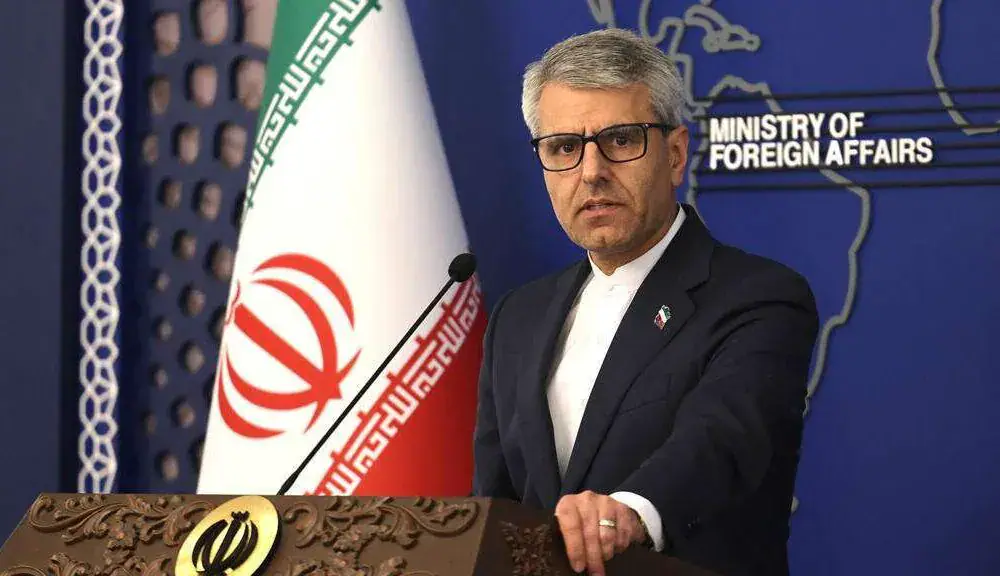
Iran has proposed reopening the strategically important Strait of Hormuz, a critical shipping route, within 48 hours if the United States meets a set of conditions. Iranian Foreign Ministry spokesman Esmaeil Baqaei stated that the proposal demonstrates Iran's willingness to pursue a peaceful resolution. The reopening of the Strait of Hormuz could pave the way for resumed negotiations between the two nations. Baqaei emphasized that the next steps depend entirely on the US response.
The Strait of Hormuz, which connects the Persian Gulf to the Gulf of Oman, handles about one-fifth of global oil consumption. Its continued closure has been a major concern for energy-importing countries, disrupting international energy supplies and driving up oil and fuel prices. Iran has effectively blocked the strait since hostilities began on February 28. Tehran had previously presented a seven-day proposal in September for reopening the passage, demanding an end to hostilities, the unfreezing of Iranian assets, and the lifting of oil sanctions.
Baqaei disclosed that communications between Tehran and Washington are ongoing through intermediaries, but progress depends on the US accepting Iran's conditions. He stated that only then can they discuss subsequent stages. The diplomatic overture comes as US President Donald Trump renewed his threats against Iran during campaign rallies ahead of Tuesday's midterm elections. Rising fuel prices and inflation have emerged as major political issues.
Trump warned that Iran could face further military action, saying Washington has exercised restraint so far. He stated that he's willing to try and save lives, but at some point, they may have to take action. Meanwhile, diplomatic efforts involving several regional powers have intensified to prevent a fresh outbreak of fighting. Officials from Pakistan, Qatar, Saudi Arabia, and Turkey have held discussions with Iranian authorities.
Oman's Sultan Haitham bin Tariq discussed the conflict with Chinese President Xi Jinping during a visit to Beijing. Both leaders called for diplomatic engagement and urged Washington and Tehran to pursue a peaceful settlement. They also called for a ceasefire and measures to prevent another war, stressing the need for dialogue and negotiations. China has expressed support for diplomatic efforts, with Foreign Minister Wang Yi urging all parties to prioritize a political solution.
Iranian Foreign Minister Abbas Araghchi outlined additional conditions for easing tensions, including the US accepting a new arrangement negotiated between Iran and Oman for vessels transiting the Strait of Hormuz. Araghchi also demanded the removal of recently imposed American sanctions and a reduction in US military deployments across the region. Baqaei warned that any fresh military action against Iran would attract an immediate and comprehensive response.
The latest developments come as Trump faces the possibility of losing partial control of Congress to the Democrats in Tuesday's midterm elections. The success or failure of the latest diplomatic initiative could have significant implications for global energy markets and regional security. With the Strait of Hormuz remaining a critical pressure point, the international community is watching closely for a resolution to the conflict.
Key points
- Iran proposes to reopen Strait of Hormuz within 48 hours if US meets Tehran's conditions.
- Diplomatic efforts intensify as US President Donald Trump renews threats against Iran.
- Conflict has significant implications for global energy markets and regional security.