Iranian authorities have executed two men over their involvement in anti-government protests that peaked in January. The judiciary’s Mizan Online website identified the executed men as Ali Hemmati and Majid Nik-Andish. They were convicted of participating in what authorities described as “the riots of January” in the northeastern city of Mashhad. The protests resulted in the deaths of four security personnel and caused extensive damage to public property.
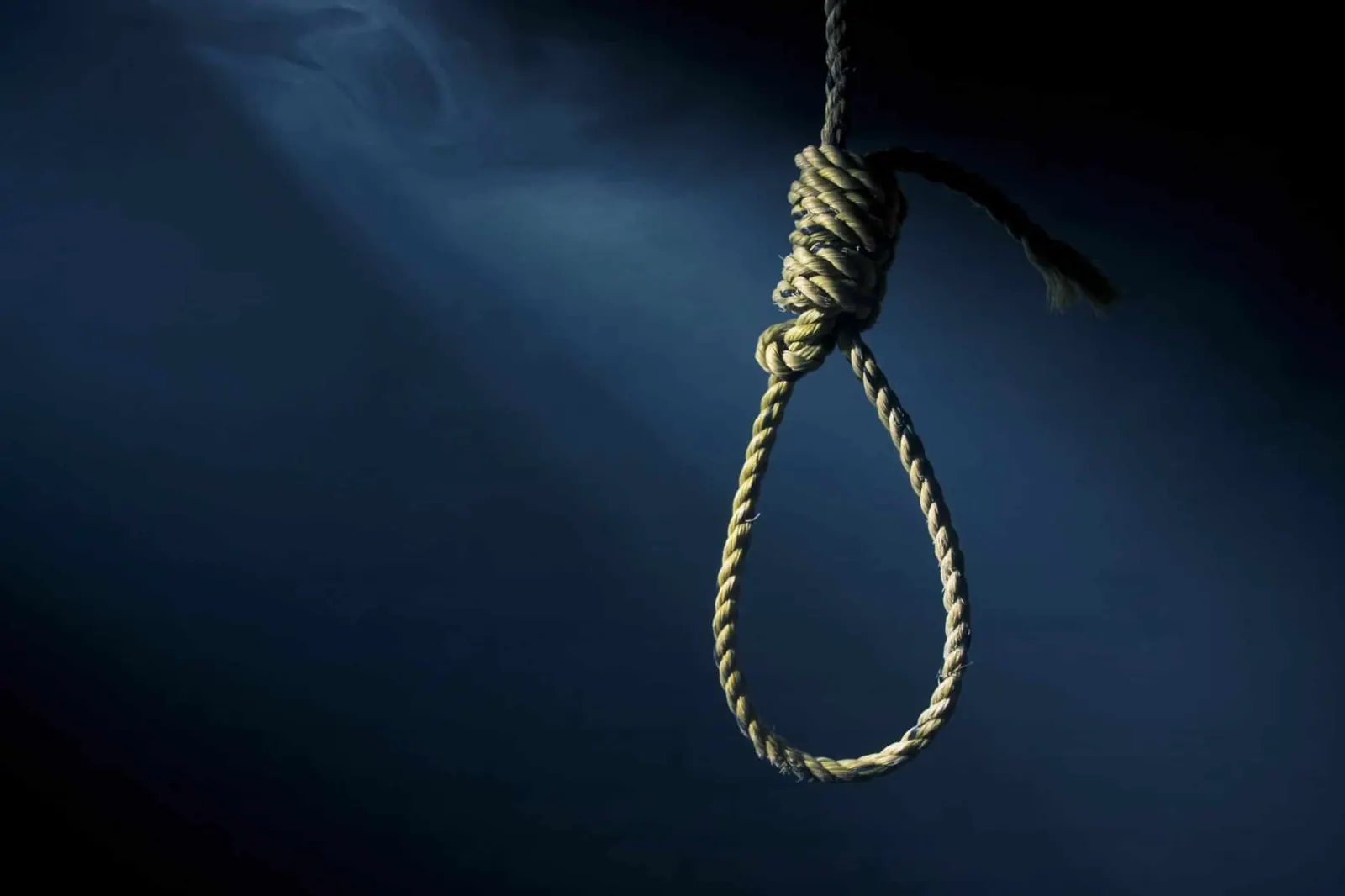
According to the judiciary, Hemmati and Nik-Andish were accused of setting fire to shops, banks, and buses, as well as burning trees during the unrest. Mizan Online reported that they were hanged early Wednesday after Iran’s Supreme Court upheld their death sentences. The protests began in late December, initially driven by rising living costs, but later expanded into broader demonstrations against the Iranian government.
The unrest reached its peak on January 8 and 9. Iranian authorities put the death toll from the unrest at more than 3,000 and blamed what they described as “terrorist acts” orchestrated by the United States and Israel. The executions are part of a broader crackdown on dissent in Iran, where authorities have carried out further arrests and executions linked to the conflict and protests.
Foreign-based non-governmental organisations have maintained that Iranian security forces opened fire on protesters. At the time, US President Donald Trump threatened possible military intervention in Iran. The United States and Israel subsequently launched a joint attack on Iran on February 28, triggering a wider conflict in the Middle East.
Iran executed at least 1,639 people in 2025, according to Iran Human Rights and Together Against the Death Penalty. This figure is described as the highest recorded in the country since 1989. Amnesty International has also identified Iran as the country with the second-highest number of executions globally, after China.
The Iranian government has faced criticism for its handling of the protests and its use of capital punishment. The executions of Hemmati and Nik-Andish have sparked concerns about human rights in Iran. The judiciary has defended its actions, saying that the two men were convicted of serious crimes and that their executions were carried out in accordance with the law.
The incident has added to tensions in the region, where Iran is already facing pressure from international organisations and governments over its human rights record.
Key points
- The executed men, Ali Hemmati and Majid Nik-Andish, were convicted of participating in anti-government protests in Mashhad that resulted in the deaths of four security personnel and extensive property damage.
- Iranian authorities put the death toll from the unrest at more than 3,000 and blame “terrorist acts” orchestrated by the United States and Israel.
- Iran executed at least 1,639 people in 2025, the highest recorded in the country since 1989, according to Iran Human Rights and Together Against the Death Penalty.