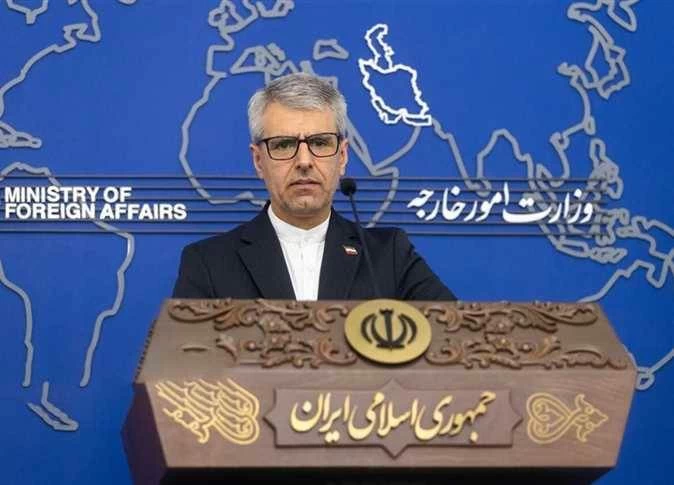
Iranian Foreign Ministry spokesperson Ismail Baghaei announced on Wednesday that Tehran has conveyed its conditions to the US for resuming diplomatic talks. This was achieved through an exchange of letters, facilitated by a Qatari mediator, during the UN General Assembly meetings in New York. The communications lasted around two hours, during which Tehran's clear positions and conditions for returning to diplomatic talks were conveyed.
According to Baghaei, Tehran's conditions include ending wars on all fronts and halting what Iran describes as US "aggressive actions," including the naval blockade and an economic war against Iran. The release of Iran's frozen assets is also a key demand. Furthermore, Iran seeks a safe maritime navigation path based on an understanding between nations bordering the relevant sea lanes.
Iranian media previously reported communication between Iranian Foreign Minister Abbas Araghchi and US Special Envoy Steve Witekoff during UN meetings. However, Iranian officials clarified that this was not a direct meeting but rather communication through intermediaries. This development occurs amid ongoing tensions between Tehran and Washington over issues such as the war, military and economic pressures on Iran, and maritime navigation in the Strait of Hormuz.
Tehran has linked the reopening of the Strait of Hormuz to the fulfillment of its demands. Amin Rezaei, Secretary of Iran's Supreme National Security Council, emphasized that the strait will not be reopened before Iran's conditions are met. The Iranian stance underscores the complexities in the relationship between Iran and the US, with ongoing efforts by Qatar to mediate between the two nations.
Baghaei's statement suggests that conveying these conditions does not imply an agreement with Washington but rather presents Tehran's stance and prerequisites for resuming diplomatic talks. Qatar continues to play a mediating role, facilitating the exchange of messages between Iran and the US. This diplomatic channel highlights the persistent efforts to find common ground between the two nations.
The Qatari mediation is seen as a crucial avenue for communication between Iran and the US, especially given the current state of tensions. The exchange of letters and the involvement of a neutral party aim to bridge the gap between the two nations' positions. However, significant challenges remain, including the US naval blockade and economic sanctions, which Iran seeks to have lifted.
The developments reflect ongoing diplomatic efforts, despite the complexities and challenges in Iran-US relations. Tehran's conditions for resuming diplomatic talks have been clearly outlined, and it remains to be seen how the US will respond to these demands. The role of Qatar as a mediator will likely continue to be pivotal in facilitating communication between the two nations.
Key points
- Iran has conveyed its conditions to the US for resuming diplomatic talks, including ending wars on all fronts and halting US "aggressive actions."
- The conditions also involve the release of Iran's frozen assets and a safe maritime navigation path.
- Qatar continues to mediate between Iran and the US, facilitating the exchange of messages.