The Iranian government confirmed on September 30 that it had received an official response from the United States to its latest proposal aimed at ending seven months of war. The contents of the response remain undisclosed. According to sources, the Iranian plan involves a gradual return to normal circulation in the strategic Strait of Hormuz, a critical passage for global hydrocarbon trade. In return, Iran demands the lifting of sanctions, the unblocking of its ports, and the release of frozen assets.
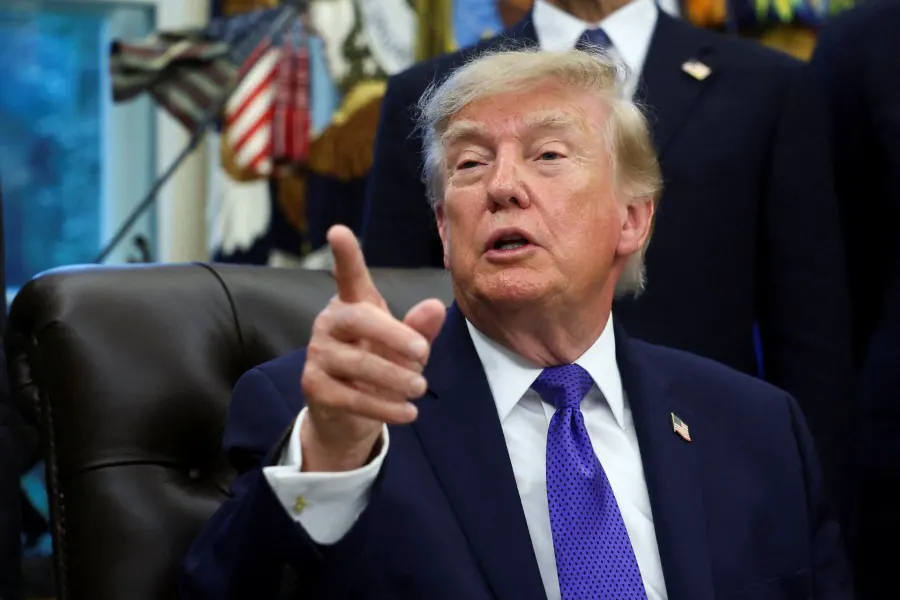
The negotiations between Washington and Tehran continue, with Qatar and Pakistan acting as mediators. The US had previously rejected an initial version of these conditions, but discussions persist. On October 1, US President Donald Trump commented on the situation, suggesting that Washington could either conclude an agreement with Tehran or "blow them up." Trump added that the war would end "very soon, in one way or another," without specifying which option the US favors.
The US has been increasing its economic pressure on Iran, announcing new sanctions as part of the "Economic Outcast" operation, targeting the supply chains of Iran's military apparatus. The Iranian economy is already severely impacted by the conflict, sanctions, and restrictions on its ports. Despite Trump's rhetoric, the diplomatic channel remains open, with Tehran stating that it has submitted new proposals and mediators continuing their exchanges with both sides.
The Strait of Hormuz remains a focal point in the negotiations, with its complete reopening being a priority for Washington and a bargaining chip for Iran. The US and Iran have been engaging in a delicate dance of threats and negotiations, with the global community watching closely. The Iranian people have shown resilience and unity in the face of external pressure, according to commentators.
The conflict has significant implications for global security and trade. The Strait of Hormuz is a critical passage for oil and gas shipments, and any disruption to this route could have far-reaching consequences for the global economy. The US and its allies have been keen to prevent Iran from dominating the region and to curb its nuclear ambitions.
The situation remains volatile, with both sides dug in and unwilling to give ground. The Iranian government has emphasized its commitment to defending its sovereignty and interests, while the US has reiterated its determination to protect its allies and maintain stability in the region. The role of mediators, such as Qatar and Pakistan, has been crucial in keeping the channels of communication open.
As the situation stands, the international community remains on high alert, watching for any signs of escalation or breakthrough in the talks. The US and Iran have a long and complex history, with periods of tension and cooperation. The current crisis has highlighted the need for a sustainable and peaceful resolution to their differences.
Key points
- The US and Iran are engaged in delicate talks, with the US threatening to "blow up" Iran if no deal is reached.
- The Iranian economy is severely impacted by the conflict, sanctions, and restrictions on its ports.
- The Strait of Hormuz remains a focal point in the negotiations, with its complete reopening being a priority for Washington and a bargaining chip for Iran.