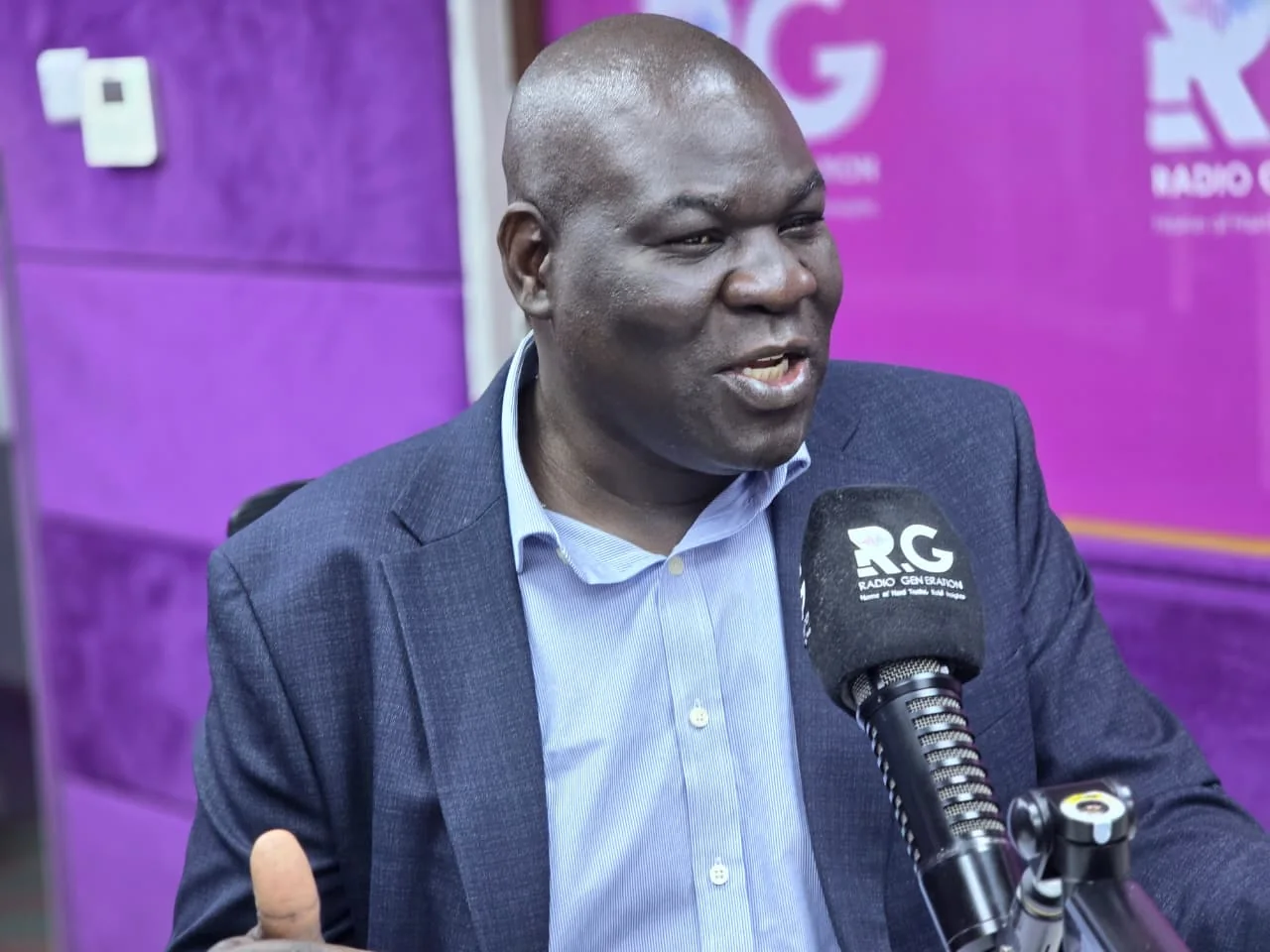
The Independent Policing Oversight Authority (IPOA) chairperson, Duncan Ojwang, has expressed concern that police misconduct can undermine public trust in the entire police service. Speaking on Radio Generation, Ojwang stated that a single incident of misconduct involving an officer can affect how the public views the entire police service, even if many officers act professionally. This, he said, can create a wider problem for policing and community cooperation.
According to Ojwang, strained relations between police and the public can make people less willing to work with officers, including sharing information that could assist investigations. He noted that rebuilding confidence requires greater accountability as well as efforts to help Kenyans understand how police work and the rules that guide officers in carrying out their duties. IPOA is working to "demystify policing" by giving members of the public a better understanding of police procedures and the circumstances under which officers are legally allowed to use force.
Ojwang emphasized that civilian oversight was introduced partly because of concerns among members of the public over the police investigating allegations against their own colleagues. He stated that police officers also supported the creation of an independent oversight system following the 2007-08 post-election violence. This, he said, was because people don't trust when police investigate themselves for obvious reasons.
The IPOA chairperson noted that an investigation should not always be seen as an effort to find fault with an officer or punish them. He said investigations can also clear officers of wrongdoing and confirm that they acted within the law. Ojwang added that IPOA is using community meetings, commonly known as barazas, to explain its role and help Kenyans understand their rights when dealing with the police.
During these community meetings, members of the public are provided with an opportunity to learn how to report alleged police misconduct and take part in efforts to improve accountability. Ojwang stressed that if the community is aware of their rights and involved in the process, it makes IPOA's work easier. He acknowledged that police officers often work in difficult conditions, but said those challenges do not remove the need for officers to remain accountable for their actions.
Ojwang's remarks come as questions over police conduct, accountability, and the role of civilian oversight remain part of the wider discussion on relations between the police and the public. The IPOA chairperson's comments highlight the need for police officers to be aware of their actions and the impact they have on the community. He emphasized that one bad police officer can really undermine policing for everyone, even for the good police.
IPOA is working to address these concerns and promote a better understanding of police procedures and accountability. The authority's efforts aim to improve community engagement and trust in the police service. By working together, IPOA and the police can build a stronger, more accountable, and more trusted police service.
Key points
- A single case of police misconduct can damage public confidence in the entire service.
- IPOA is working to "demystify policing" by giving members of the public a better understanding of police procedures.
- Community meetings are being used to explain IPOA's role and help Kenyans understand their rights when dealing with the police.